
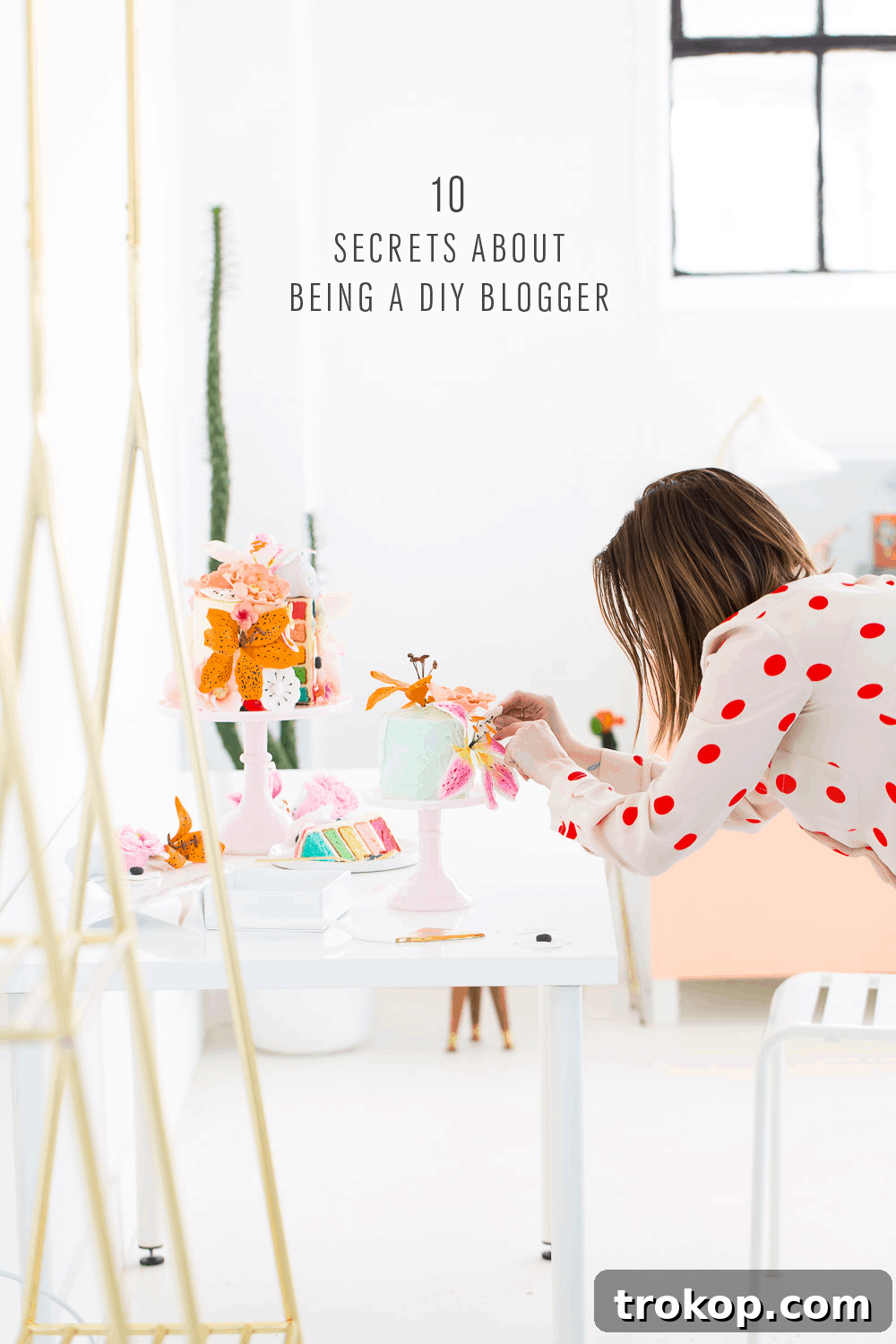
The allure of transforming a passion for crafting and creation into a thriving online business is incredibly strong. DIY blogging, in particular, often appears as a dream job – a perfect blend of creativity, community, and entrepreneurial freedom. From captivating tutorials to inspiring home decor projects, the finished products we see online are polished and seemingly effortless. Yet, behind every beautifully styled photograph and engaging step-by-step guide lies a world of challenges, unexpected realities, and immense dedication that aspiring DIY bloggers rarely see.
Before you take the leap into this exciting but demanding field, it’s crucial to understand the full picture. Drawing from personal experience and the collective wisdom of seasoned creators, this article aims to peel back the curtain and reveal the unspoken truths. While the journey of a DIY blogger can be incredibly rewarding, it’s far from a “get-rich-quick” scheme or a perpetually glamorous undertaking. These insights are shared not to discourage, but to equip you with a realistic perspective, ensuring you’re prepared for the genuine commitment and grit required to succeed.
Unveiling the Reality: 10 Secrets of DIY Blogging You Need to Know
1. The Financial Reality: Prepare for an Initial Investment (and Ramen)
One of the most common misconceptions about starting a DIY blog is that it’s a low-cost venture. In reality, the financial outlay, especially in the beginning, can be significant and often underestimated. Every new project requires materials, tools, and sometimes even props for styling. Factor in the inevitable learning curve – those five failed attempts before a brilliant idea finally comes to life – and the costs quickly multiply. Beyond direct project expenses, you might need to invest in quality photography equipment, lighting, editing software, website hosting, and domain registration. Many new bloggers find themselves meticulously budgeting, often resorting to economical meals like ramen noodles or cereal, to keep their creative engines running. This career path demands patience and a long-term vision; it’s a marathon, not a sprint, unlike many viral blog articles suggest about getting rich quick (you can learn more about how DIY bloggers truly make money here). While the potential for earning a substantial income exists, it requires consistent effort and strategic growth. True financial stability typically builds gradually, rewarding those who are committed to the journey.
2. Navigating Unpaid Collaboration Requests: Valuing Your Work
As your blog gains traction, you’ll inevitably start receiving emails from companies eager to collaborate. While many brands offer fantastic, mutually beneficial partnerships, a significant portion will approach you with requests for “free work.” These often involve promoting their products or creating content for little to no compensation, sometimes not even covering the cost of materials. They might suggest a “shout-out” or “exposure” as adequate payment, assuming your time, creative effort, and existing audience have no monetary value. These persistent requests can be frustrating, especially when you’re trying to establish your worth in the industry. Learning to politely decline, negotiate, or identify genuine opportunities is a critical skill. Understanding your value as a content creator and the investment you’ve made in building your platform is paramount. While strategic bartering can sometimes be beneficial, differentiating between a fair exchange and an exploitative ask is essential for sustainable growth and maintaining professional integrity.
3. The Unsung Hero: Your Hands Become a Constant Concern
In the world of DIY, your hands are often the stars of the show, meticulously demonstrating steps, holding tools, and showcasing finished products. This means they are under constant scrutiny, both by you and your audience. Gone are the days when a chipped nail polish or a smudge of paint could be overlooked for a few days. For high-quality tutorial photography and video, your hands need to be presentable, clean, and free from distractions. This newfound attention to detail can be surprising; you’ll find yourself constantly checking for stray glitter, paint stains, or rough cuticles. Suddenly, maintaining immaculate hands becomes a priority, even when you’ve just been knee-deep in sawdust or sticky glue. This practical reality can be a source of minor frustration, especially if your hands are prone to dryness, veins, or the natural wear and tear of constant crafting. It’s a subtle but persistent part of the job that significantly impacts the visual quality of your content.

4. Cultivating Thick Skin: Battling the Online Trolls
The internet, unfortunately, has a dark side, and online trolls are a ubiquitous presence across all digital platforms. DIY blogging, however, seems to attract a particularly “unique” brand of criticism. It’s not just generic negativity; you’ll encounter detailed critiques about how a project could have been done “better,” or surprisingly passionate complaints about the cost of a DIY project, despite the fact that hundreds of free tutorials are generously provided on your site. These comments can range from mildly annoying to deeply disheartening, questioning your skills, taste, or even your judgment. Developing a thick skin is not just advisable; it’s absolutely essential for mental resilience. Learning to filter out constructive feedback from malicious attacks, and remembering that online negativity often reflects more on the commenter than on your work, is a crucial skill for long-term success and emotional well-being in the public eye.
5. The Illusion: Only 20% of Blogging is Actual DIYing
Perhaps the biggest secret of DIY blogging is that the actual “DIYing” part constitutes a surprisingly small fraction of the job. For every single blog post you publish, you wear an astonishing number of hats. The process begins with conceptualizing a unique idea, then meticulously sourcing and purchasing materials (often involving multiple trips to different stores). Next comes styling the project, not just for the final shot but also for the tutorial steps, ensuring every angle is clear and appealing. Photography is a huge undertaking: shooting tutorial steps, styling the final project in various ways for diverse appeal, and capturing multiple angles. Then follows the extensive post-production: editing photos, optimizing them for web, creating compelling header images, and writing engaging text – from an captivating introduction to a detailed step-by-step guide and a thoughtful conclusion. This is all before you even consider SEO keyword research, tag insertion, image uploading and arrangement, post categorization, and scheduling. Finally, the content needs a strategic promotion plan across various social media platforms, often scheduled days in advance. And this doesn’t even touch the ongoing tasks of email management, accounting, client communications, contract reviews, staying updated with ever-changing social media algorithms, cleaning up your workspace, and constantly thinking about the broader business strategy. It’s an intricate dance of creativity, technical skill, business acumen, and relentless execution.
6. The Art of “Intentional Hoarding”: Every Scrap Has Potential
In an effort to streamline the creative process and save precious time (and money), you’ll quickly discover the secret life of a DIY blogger involves becoming a highly organized, yet undeniably successful, hoarder. That tiny scrap of fabric, the odd-shaped piece of leftover styrofoam, or even empty product packaging – nothing is truly discarded without a thorough mental inventory of its potential future use. You never know when that seemingly useless item might be the perfect, last-minute solution for propping up a cake pop stand, adding texture to a flat lay, or serving as an unexpected design element in a future project. The studio often transforms into a treasure trove of “just in case” items. Furthermore, edible props like beautifully frosted cakes or macarons become styled elements with no expiration date for their visual appeal (unless mold takes over, of course!). These items, once styled, might look delicious, but are rarely edible, serving purely as aesthetic enhancements. This habit, born out of necessity and resourcefulness, truly highlights the creative problem-solving at the heart of DIY blogging.
7. The Pressure to Innovate: Constantly Reinventing the Toaster Oven
In a saturated online world brimming with creative talent, merely creating a “good” DIY project isn’t enough to stand out. The constant pressure to innovate and present genuinely unique content is immense. It’s akin to needing to reinvent the toaster oven, not just with a new coat of paint, but reimagining its very function in a way that hasn’t been done before. Your next creation can’t simply be acceptable; it needs to be “Freaking. Pinterest. Awesome.” You’re striving for that solid gold, bedazzled, never-before-seen version of common ideas. This means continuously brainstorming, researching trends, and pushing the boundaries of your creativity to offer fresh perspectives and original concepts. The goal is to avoid duplicating existing ideas and to carve out your own distinctive niche, ensuring your content truly resonates and captures the attention of a wide audience in a crowded digital landscape. It’s a continuous quest for originality that requires boundless inspiration and courage to experiment.

8. Travel Becomes a Logistical Challenge: Wrangling Stray Zoo Animals
Spontaneous travel becomes a distant memory when you’re a DIY blogger. Leaving town, even for a short trip, demands meticulous planning and a flurry of pre-production work that feels as chaotic as wrangling stray zoo animals. Imagine trying to assemble a complex craft project or shoot high-quality photos in a dimly lit hotel room – it’s an exercise in futility and frustration. To avoid such disasters, bloggers must become masters of content banking. This means churning out enough finished projects, cooked recipes, edited photographs, written posts, and completed brand collaborations to cover your absence. Committing to more than a 48-hour getaway often requires weeks of intensified work leading up to your departure. The emotional rollercoaster during these pre-travel sprints can be intense, oscillating between excitement for the trip and sheer exhaustion from the workload. It’s a testament to the continuous nature of content creation and the dedication required to keep a steady flow of engaging material for your audience, even when you’re physically away.
9. The Power of Community: Always “Friending Up” for Growth
While DIY blogging can sometimes feel like a solo endeavor, it thrives on a vibrant, supportive community behind the scenes. A wise life motto, “always be friending up,” holds true here: surrounding yourself with people who challenge, inspire, and elevate you is invaluable. There’s no need to approach this journey like a lone “Survivorman.” Instead, actively seek out and connect with seasoned bloggers who have already navigated the challenges you’re facing. Many established creators are incredibly generous with advice, insights, and encouragement, provided you’re open to listening and learning. This collaborative spirit fosters growth, offers mentorship, and provides a network for troubleshooting, idea sharing, and emotional support. Embracing this community, rather than viewing others as competition, can significantly accelerate your learning curve and enrich your blogging experience, making the path much less daunting.
10. The Unyielding Spark: Why the Dream Never Gets Old
Despite the ramen noodle dinners, the relentless demands of content creation, the constant battle against internet trolls, and the curious habit of hoarding questionable styrofoam, the core joy of DIY blogging persists. The ability to conceptualize new ideas, transform raw materials into beautiful creations, and then share that inspiration with a global audience is a profound and deeply satisfying reward. This unyielding spark, the passion for dreaming up new things and bringing them to life, is what sustains a DIY blogger through every challenge. Even when balancing a thousand hats and perhaps shedding an occasional tear over a forgotten cake in the freezer, the genuine love for creativity and the connection with a supportive community make every demanding aspect worthwhile. It’s a career that continuously challenges you to grow, learn, and innovate, driven by the pure delight of making and sharing.
In conclusion, DIY blogging is a path paved with both glitter and grit. It demands incredible passion, relentless dedication, and a willingness to embrace its multifaceted nature. Understanding these unspoken realities from the outset can transform potential roadblocks into anticipated challenges, allowing you to approach this rewarding journey with open eyes and a prepared spirit. If you’re ready to commit, the world of DIY blogging offers unparalleled creative freedom and the immense satisfaction of building something truly your own.