

Forget the traditional red sauce for a moment and prepare to embark on a culinary journey into the delectable world of white pizza. A true delight for the senses, white pizza, often referred to as pizza bianca, replaces the classic tomato-based foundation with a rich, aromatic, and incredibly versatile white sauce. This change-up offers a uniquely sophisticated flavor profile, marked by the harmonious blend of garlic, butter, and cheese, reminiscent of a gourmet Alfredo sauce on a crispy pizza crust. Whether you’re a long-time fan looking to perfect your homemade version or a curious newcomer eager to explore new tastes, this comprehensive guide will walk you through everything you need to know to create an unforgettable white pizza experience right in your own kitchen.
White pizza sauce stands out for its creamy texture and savory depth. Unlike the tangy sweetness of tomato sauces, a well-made white sauce brings a milder, yet profoundly flavorful base that beautifully complements a wide array of toppings. It’s an excellent choice for switching up your routine pizza night, offering a refreshing alternative that can surprise and delight even the pickiest eaters. Imagine the rich aroma of sautéed garlic mingling with melted butter, brought to life with a touch of heavy cream and savory Parmesan – that’s the magic of this sauce. It’s not just a sauce; it’s an invitation to reinvent your pizza experience.

Why Choose White Pizza? A Flavorful Departure
There are numerous reasons why white pizza has garnered such a dedicated following. Primarily, it offers a distinct flavor profile that provides a delightful contrast to its tomato-based counterpart. For those with tomato allergies or aversions, white pizza is a fantastic alternative that doesn’t compromise on taste or satisfaction. The base of butter, garlic, and cream creates a comforting, rich, and often more indulgent experience. It allows other toppings to shine through without being overpowered by a strong acidic tomato flavor. This milder canvas means you can experiment with delicate cheeses, fresh herbs, and various vegetables that might otherwise get lost. It’s a sophisticated twist on a beloved classic, proving that sometimes, less is indeed more when it comes to a truly exceptional pizza.
Furthermore, white pizza often feels like a gourmet treat, easily elevating a casual meal into something special. It’s particularly appealing for family pizza nights when variety is key. As many parents know, children can often be particular about their food. Offering a white pizza can be a great way to introduce new flavors and textures, ensuring that pizza night remains exciting and inclusive for everyone at the table.

Table of Contents
Essential Ingredients for Your Creamy White Pizza Sauce
Creating an exquisite white pizza sauce begins with a selection of simple, yet high-quality ingredients. You might be surprised to find that most of these staples are likely already in your pantry and refrigerator, making this recipe incredibly convenient to whip up anytime. The beauty of this sauce lies in its straightforward components, which, when combined thoughtfully, yield a rich, flavorful, and perfectly balanced base for your pizza.
- Unsalted Butter: The foundation of our roux, butter provides a rich, creamy base and helps sauté the garlic beautifully. Using unsalted butter allows you to control the overall saltiness of the sauce.
- Fresh Garlic: This is the star of the show! Freshly minced garlic infuses the sauce with its signature aromatic and pungent flavor. Avoid garlic powder for this recipe; fresh garlic makes all the difference in achieving that authentic, robust taste. We recommend 3-4 cloves, but feel free to adjust to your personal garlic preference.
- All-Purpose Flour: Essential for creating a roux, which acts as a thickening agent for our sauce. It helps create that desirable creamy consistency without being overly heavy.
- Heavy Whipping Cream: This is what gives the sauce its luxurious, velvety texture and rich mouthfeel. For a truly decadent sauce, heavy cream is non-negotiable. While some recipes might suggest milk, cream provides unparalleled richness.
- Freshly Grated Parmesan Cheese: Adds a salty, umami depth and a nutty undertone that perfectly complements the garlic and cream. Opt for freshly grated Parmesan over pre-shredded varieties, as it melts smoother and offers superior flavor.
- Salt: A fundamental seasoning that enhances all the other flavors in the sauce. Adjust to taste.
- A Pinch of Black Pepper: Provides a subtle hint of warmth and a gentle aromatic finish, balancing the richness of the other ingredients.
Ensuring your ingredients are fresh and measured accurately is the first step towards a truly magnificent white pizza. Gather them before you begin, and you’ll find the sauce-making process incredibly smooth and enjoyable.
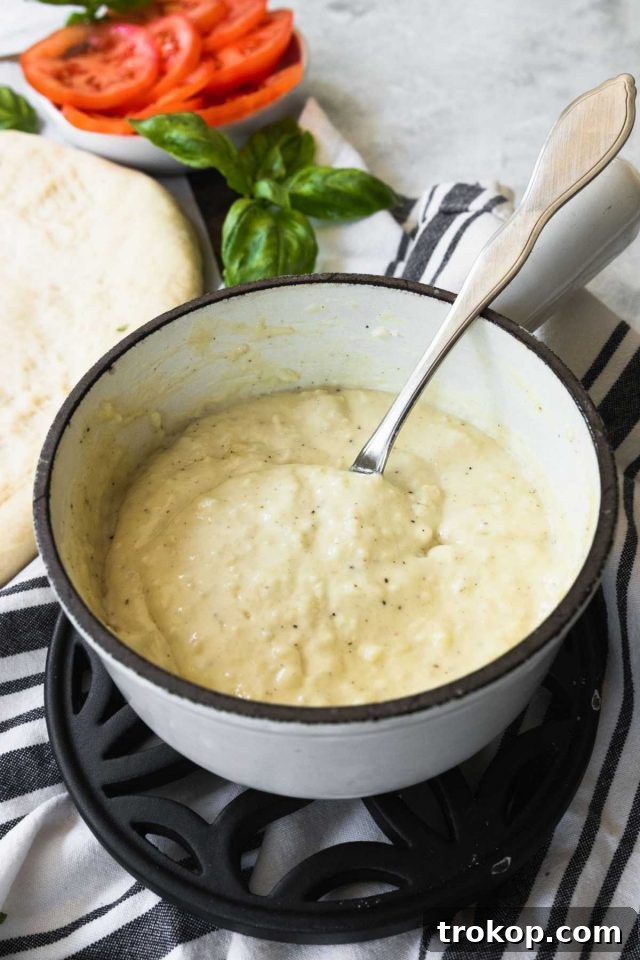
Step-by-Step: Crafting the Perfect White Pizza Sauce
Creating this rich and flavorful white pizza sauce is a straightforward process that yields impressive results. Follow these simple steps, and you’ll have a gourmet sauce ready to elevate your pizza night.
- Prepare Your Mise en Place: Before you even turn on the stove, take a moment to measure, mince, and set out all of your ingredients. This practice, known as “mise en place” in culinary terms, ensures a smooth cooking process and prevents you from scrambling for ingredients mid-recipe. Having everything ready to go will make cooking effortless and enjoyable.
- Melt the Butter: In a small saucepan, place the measured butter. Heat it over medium-low heat until it is fully melted and begins to shimmer gently. This gentle heat is crucial to prevent the butter from browning too quickly, which could affect the final flavor of your sauce.
- Sauté the Garlic: Add your freshly minced garlic to the melted butter. Sauté the garlic for approximately 1 to 2 minutes, stirring continuously. The goal here is to allow the garlic to become fragrant and slightly softened, releasing its potent aroma and flavor into the butter. Be very careful not to let the garlic brown, crisp, or burn, as this will result in a bitter taste that will permeate the entire sauce. It should remain pale yellow and aromatic.
- Create the Roux: Gradually, and very slowly, whisk the all-purpose flour into the butter and garlic mixture. Continue whisking constantly as you add the flour, ensuring that it is fully incorporated into the butter to form a smooth, thick paste, known as a roux. The key to avoiding lumps is to add the flour slowly and whisk vigorously. This roux will act as the thickening base for your sauce, giving it body and a luxurious texture.
- Incorporate the Cream: Begin to gradually pour the heavy whipping cream into the roux. As you pour, continue whisking and stirring the mixture vigorously. This steady whisking is essential to prevent lumps and ensure that the cream thoroughly combines with the butter-flour paste, creating a smooth, uniform liquid. Keep stirring until all the cream is fully incorporated and the sauce begins to thicken slightly.
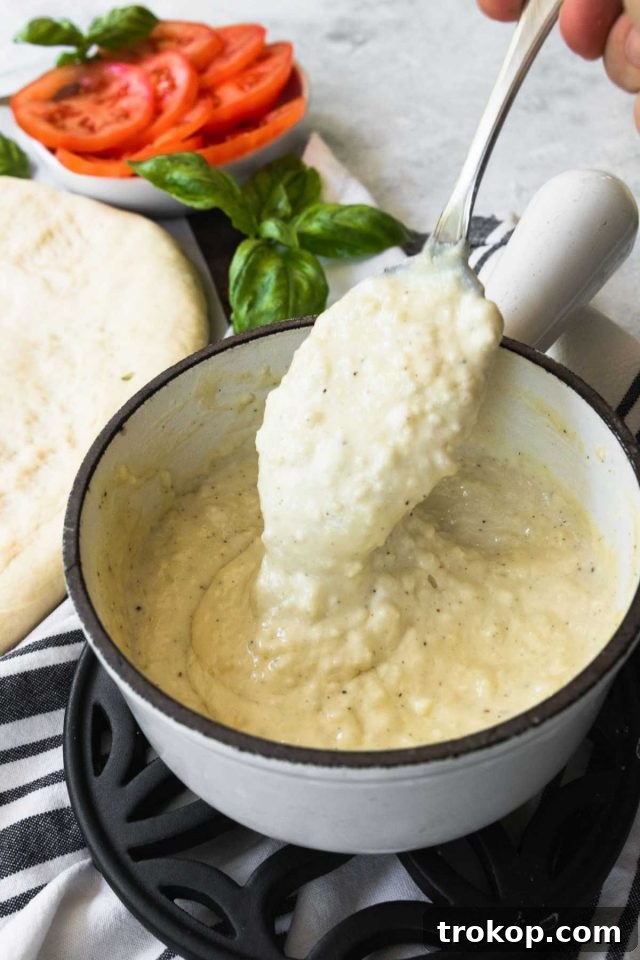
- Add Cheese and Seasonings: Once the cream is incorporated, stir in the freshly grated or shredded Parmesan cheese, salt, and black pepper. Stir well to combine all the ingredients evenly throughout the sauce.
- Simmer to Perfection: Continue to cook the pizza sauce over medium-low heat for another 2 to 3 minutes, or until the Parmesan cheese has completely melted into the sauce, and the sauce has reached your desired consistency – typically a creamy, spoon-coating texture. Keep stirring gently to prevent sticking or scorching. Once it’s smooth, creamy, and thoroughly heated through, remove the saucepan from the heat. The sauce will continue to thicken slightly as it cools.
This recipe yields enough delicious, creamy white pizza sauce for approximately two 12-inch pizzas, ensuring you have plenty to enjoy or share.

Choosing Your Canvas: Pizza Crust Options
The crust is the foundation of any great pizza, and white pizza is no exception. Selecting the right crust can significantly impact the final texture and flavor of your homemade creation. Thankfully, you have a variety of convenient and delicious options:
- Store-Bought Pre-Made Pizza Dough: For ultimate convenience, many grocery stores offer fresh pizza dough in their refrigerated sections. This is a fantastic time-saver, allowing you to focus on your sauce and toppings. Look for brands that offer both thin and regular crust options to suit your preference. Some local pizzerias are also willing to sell their freshly made dough, which can be a real treat!
- Homemade Standard Yeast Pizza Crust: If you enjoy the process of baking from scratch, a classic yeast pizza dough is incredibly rewarding. It provides a chewy interior and a delightfully crispy exterior when baked correctly. Recipes like the one from Wild Thistle Kitchen offer a reliable starting point for a traditional pizza crust.
- Homemade Sourdough Pizza Crust: For those who love the tangy complexity and unique texture of sourdough, a sourdough pizza crust is an excellent choice. It adds another layer of sophisticated flavor to your white pizza. Consider trying this recipe for a delightful sourdough option.
- Healthier Alternatives: If you’re looking for lighter or low-carb options, the world of pizza crusts has expanded wonderfully. You can explore a low-carb keto pizza crust or a versatile cauliflower pizza dough recipe. These alternatives allow you to enjoy pizza while adhering to specific dietary preferences without sacrificing flavor.
No matter which crust you choose, remember that proper handling and baking are key to achieving that perfect crisp and chew. Experiment with different options to find your personal favorite for white pizza perfection.
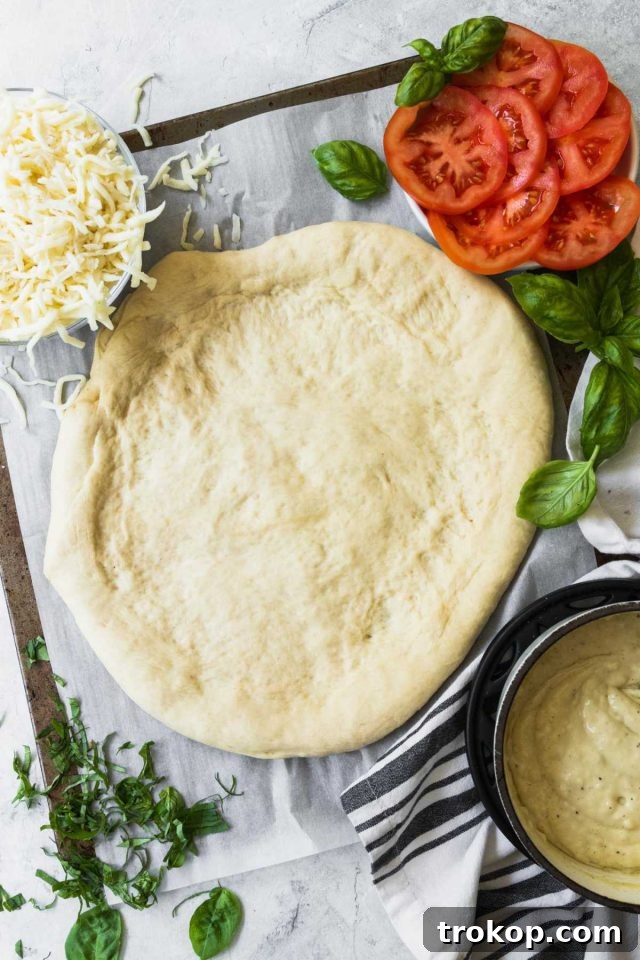
Building Your Masterpiece: How to Make a White Pizza
Once your creamy white sauce is prepared and your crust chosen, it’s time to assemble and bake your homemade white pizza. This process is both fun and rewarding, leading to a delicious meal for everyone to enjoy.
- Preheat Your Oven and Stone (Optional): Begin by preheating your oven to a blazing 450°F (232°C). High heat is crucial for a perfectly cooked pizza with a crispy crust. If you own a pizza stone or baking steel, place it in the oven while it preheats. This allows the stone to get incredibly hot, simulating a brick oven and ensuring a beautifully crisp bottom crust.
- Prepare Your Dough: Take each portion of pizza dough and gently stretch it out into approximately a 12-inch circular shape. You can achieve this using a rolling pin for a more uniform thickness, or, for a more rustic and authentic feel, use your hands. To hand-stretch, carefully drape the dough over your knuckles and gently rotate and spread your hands to stretch it outwards. Alternatively, lay the dough on a lightly floured piece of parchment paper and press it into a circle.
- Relax the Gluten (If Needed): If your pizza dough is stubbornly shrinking back or tearing as you try to stretch it, this is a sign that the gluten needs to relax. Simply let the dough rest on your countertop for 5 to 10 minutes. This short rest period allows the gluten strands to loosen up, making the dough much easier to work with without resistance.
- Form the Cornicione (Crust Edge): As you stretch or press the dough, remember to leave a slightly thicker edge, about an inch all around. This raised edge is known as the “cornicione” or simply the crust, and it’s essential for containing the sauce and toppings, as well as providing that satisfying puffy, chewy texture.
- Apply the White Sauce: Once your dough is perfectly shaped, spread half of the prepared white sauce evenly over the center of each pizza crust, leaving the cornicione bare. The amount of sauce is a matter of preference, but aim for a generous layer that covers the base without making it soggy.
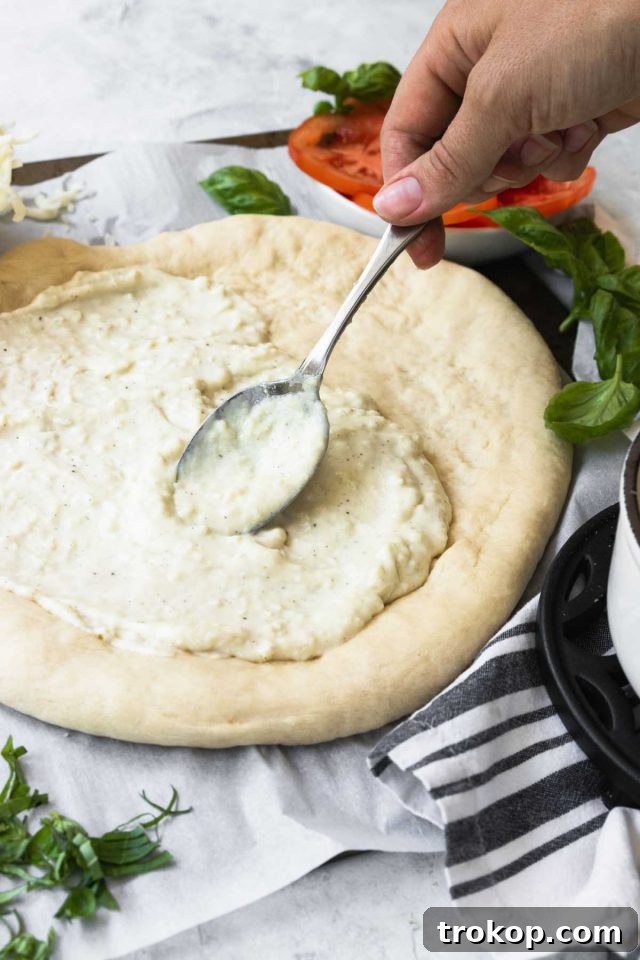
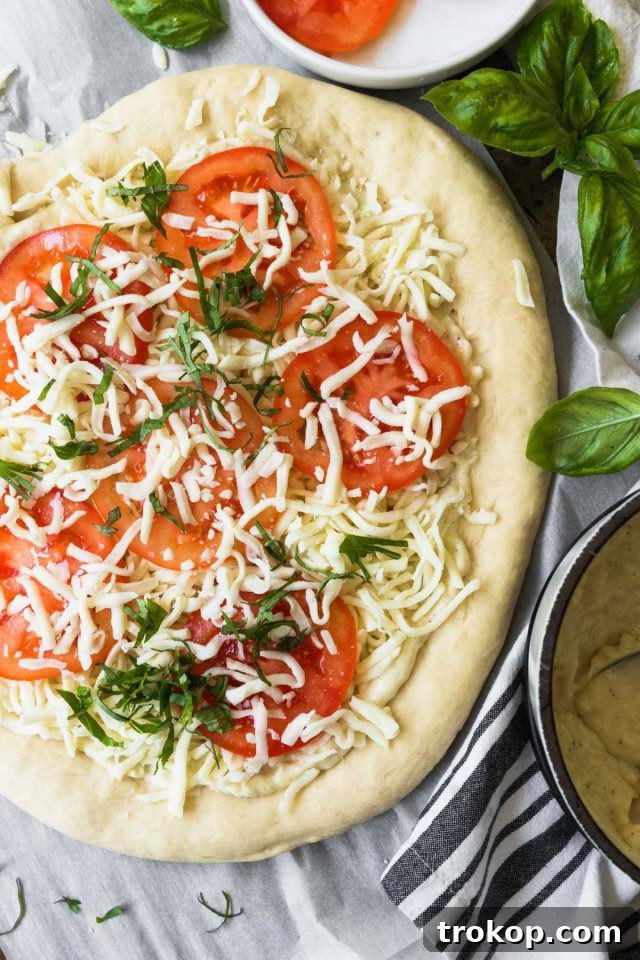
- Add Cheese and Toppings: Sprinkle a generous layer of mozzarella cheese over the white sauce. Mozzarella is a classic choice for its excellent melt and mild flavor. Next, arrange your chosen toppings evenly across the pizza. Finally, add a final, lighter sprinkle of mozzarella over the toppings to help them adhere and create that beautiful, bubbly top layer when baked.
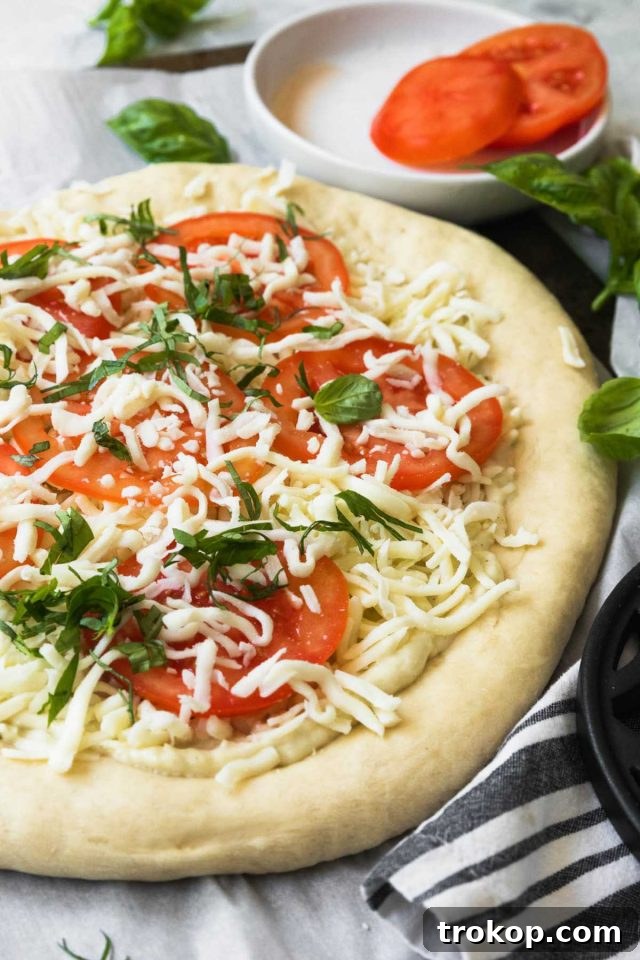
- Bake the Pizza: Moving quickly to retain oven heat, carefully transfer the assembled pizza to the hot oven. If using a pizza stone, slide the pizza directly onto it. If not, a baking sheet works fine. Close the oven door promptly to prevent significant heat loss.
- Bake Until Golden and Bubbly: Bake the pizza for approximately 10 to 12 minutes. Keep an eye on it; you’re looking for a crust that is golden brown and a top layer of cheese that is bubbly and lightly browned in spots. For extra assurance that the bottom is cooked through, you can gently lift the edge of the pizza with a metal spatula to check for browning.
- Rest and Serve: Once baked to perfection, carefully remove the pizza from the oven. Allow it to rest for about 5 minutes before slicing. This brief resting period helps the cheese set and prevents all the toppings from sliding off when you cut into it, ensuring a cleaner, more enjoyable slice.
Serve your delicious homemade white pizza hot and enjoy the creamy, garlicky goodness!
Creative Topping Ideas for White Pizzas
One of the joys of white pizza is its versatility with toppings. Since the sauce isn’t as robust or acidic as a tomato-based red sauce, milder and more nuanced toppings tend to complement it beautifully, allowing their individual flavors to truly shine. Here are some fantastic ideas to inspire your next white pizza creation:
- Sliced or Diced Tomatoes: Fresh, vibrant tomatoes (like Roma or cherry tomatoes, sliced thinly) add a burst of freshness and a subtle tang that contrasts beautifully with the creamy sauce.
- Chopped Roasted Chicken: A lean protein option that adds savory depth without overpowering the delicate sauce. Roasted chicken, perhaps seasoned with herbs, is a perfect pairing.
- Fresh Basil: For optimal flavor and aroma, fresh basil should ideally be added *after* the pizza has finished baking or in the last minute or two of baking time. The heat will release its fragrant oils without wilting it completely.
- Arugula: A peppery, slightly bitter green that provides a fantastic fresh counterpoint to the rich sauce. Like basil, arugula is best added after baking, lightly dressed with a drizzle of olive oil, to maintain its crispness and vibrant flavor.
- Diced Artichoke Hearts: Whether marinated or plain, artichoke hearts add a lovely earthy and slightly briny flavor, along with a tender texture.
- Sun-Dried Tomatoes: These intensely flavored tomatoes offer a concentrated sweetness and chewiness that’s a delightful addition, especially when rehydrated in oil.
- Mixed Greens & Olive Oil: For a fresh, vibrant, and surprisingly gourmet touch, top your freshly baked white pizza with a light salad of mixed greens, tossed simply with a good quality extra virgin olive oil and a pinch of salt.
- Dried Oregano and Basil: While fresh herbs are wonderful, dried herbs baked into the cheese offer a more classic, comforting pizza parlor aroma and taste. Sprinkle these over the cheese before baking.
- Caramelized Onions or Shallots: The sweet, mellow flavor of slowly caramelized onions or shallots adds an incredible depth and complexity that harmonizes beautifully with the garlicky cream sauce.
- Crispy Bacon Pieces: Everything’s better with bacon! Crumbled, crispy bacon adds a salty, smoky crunch that’s incredibly addictive.
- Mushrooms: Sautéed mushrooms (cremini, shiitake, or wild mushrooms) bring an earthy, umami richness that complements the sauce perfectly.
- Spinach: Wilted spinach, perhaps briefly sautéed with a touch of garlic, adds a healthy green element and a subtle, earthy flavor.
- Ricotta Cheese: Dollops of creamy ricotta cheese can add an extra layer of richness and a delightful textural contrast.
- Prosciutto: Thin slices of salty, savory prosciutto can be added after baking for a gourmet touch.
- Roasted Red Peppers: Sweet and slightly smoky, roasted red peppers (jarred or homemade) add a beautiful color and tender texture.
Don’t be afraid to mix and match these ideas, or let your imagination guide you to your perfect white pizza combination!

Exciting White Sauce Pizza Recipe Variations
While the basic white pizza sauce recipe is fantastic on its own, it also serves as an excellent foundation for creative variations. Don’t hesitate to experiment and personalize your sauce to suit your taste preferences:
- Richer & Creamier Sauce: For an even more luxurious and decadent sauce, consider adding an extra tablespoon of butter to your roux. Instead of using only heavy whipping cream, you can swap it for a combination of half-and-half or light cream, or even a splash of whole milk, to achieve a slightly different but still rich texture.
- A Hint of Freshness: A small squeeze of fresh lemon juice, added right at the end of cooking the sauce, can brighten the flavors considerably. The acidity cuts through the richness of the cream and garlic, adding a refreshing zest.
- Garlic Intensity Control: If you prefer a milder garlic flavor or want to experiment with different garlic preparations, you have options. Instead of minced sautéed garlic, you can use 1 teaspoon of mashed roasted garlic for a sweeter, more mellow garlic essence. Alternatively, for a quick boost of garlic flavor, a pinch of garlic powder can be added, though fresh garlic is always recommended for superior taste.
- Spice It Up: For those who enjoy a little heat, a pinch or two of red pepper flakes stirred into the sauce can add a delightful kick. Start with a small amount and add more to your liking.
- Herbaceous Twist: Incorporate finely chopped fresh herbs like thyme, rosemary, or chives directly into the sauce while it simmers for an extra layer of aromatic flavor.
- Cheese Blend Adventure: While Parmesan is traditional, consider experimenting with other cheeses in your sauce. A small amount of fontina, Gruyère, or even a touch of blue cheese can add complex and intriguing notes.
These variations allow you to tailor your white pizza sauce to any occasion or craving, ensuring a unique and delicious experience every time.
Can You Make This White Pizza Sauce Dairy-Free?
Absolutely! Adapting this white pizza sauce to be dairy-free is entirely possible, allowing everyone to enjoy the creamy, garlicky goodness. The key is to make appropriate substitutions for the dairy components.
For the butter, you can easily use a plant-based butter alternative. Most grocery stores now carry excellent vegan butter sticks that perform just like dairy butter in cooking and baking. For the heavy whipping cream, unsweetened non-dairy milks like soy milk, almond milk, or cashew milk are good options. Keep in mind that some non-dairy milks are thinner than heavy cream, so you might need to adjust the amount of flour in your roux, perhaps adding a bit more (an extra half tablespoon or so) to achieve the desired thickness. It’s best to add non-dairy milk slowly and assess the consistency as you cook.
When it comes to cheese, the market for dairy-free cheese alternatives has expanded significantly. You can find excellent dairy-free mozzarella and Parmesan options that melt and taste surprisingly similar to their dairy counterparts. These can be used both in the sauce and as toppings on your pizza. Always check the labels to ensure they are suitable for your dietary needs.
With these simple substitutions, you can create a rich and satisfying dairy-free white pizza sauce that doesn’t compromise on flavor or texture, making it accessible for those with dietary restrictions or preferences.
Reheating Leftover White Pizza for Optimal Freshness
Leftover pizza is a treasure, but reheating it properly is crucial to enjoying it at its best. While a microwave might warm it up quickly, it often results in a soggy crust and rubbery cheese. For optimal crispness and flavor, consider these methods:
- Stovetop Method (Recommended for Crispiness):
- Place your leftover pizza slice(s) in a cold or lightly oiled non-stick skillet over medium-low heat.
- Cover the skillet with a lid (or aluminum foil if you don’t have a lid). This traps steam, which helps to melt the cheese and warm the toppings without drying them out.
- Heat for about 5-7 minutes. The low heat prevents the bottom from scorching while allowing the crust to crisp up beautifully and the cheese to melt into a gooey perfection. Check the bottom occasionally to ensure it’s not getting too dark.
- Oven or Toaster Oven Method:
- Preheat your oven or toaster oven to 350°F (175°C).
- Place the pizza slices directly on the oven rack or on a baking sheet.
- Bake for 8-10 minutes, or until the crust is crisp and the cheese is melted and bubbly. This method works well for multiple slices and yields a very good crisp.
Avoid heating it at too high a temperature too quickly, as this can scorch the bottom of the crust before the cheese is fully melted. With these methods, your leftover white pizza can be almost as good as fresh!
Tips for White Pizza Success
To ensure your homemade white pizza is nothing short of spectacular, keep these helpful tips in mind:
- Use Fresh Ingredients: Especially for garlic and Parmesan cheese. The quality of your ingredients directly impacts the flavor of your sauce and overall pizza.
- Don’t Burn the Garlic: Sauté garlic gently until fragrant, not brown or crispy. Burnt garlic will make your sauce bitter.
- Whisk Constantly for Roux: When adding flour and then cream, continuous whisking is key to preventing lumps and achieving a smooth sauce.
- Control Sauce Thickness: If your sauce is too thick, whisk in a splash more cream or milk until it reaches your desired consistency. If it’s too thin, simmer it gently for a few more minutes, stirring frequently, to allow it to reduce and thicken.
- Hot Oven is Essential: A very hot oven (450°F/232°C) is crucial for a quick bake and a crispy crust, mimicking professional pizza ovens.
- Pizza Stone/Steel Advantage: If you have one, use it! Preheat it thoroughly in the oven to get an extra crispy bottom crust.
- Don’t Over-Sauce: While the white sauce is delicious, applying too much can make your crust soggy. Aim for a generous but not excessive layer.
- Rest the Dough: If your dough resists stretching, let it relax for 5-10 minutes. This allows the gluten to loosen, making it much more pliable.
- Don’t Overload Toppings: A white pizza often shines with simpler, fewer toppings. Too many can make the pizza heavy and soggy.
- Add Fresh Herbs Last: Delicate herbs like fresh basil or arugula are best added after the pizza comes out of the oven to preserve their fresh flavor and prevent them from wilting or burning.
By following these tips, you’ll be well on your way to crafting a homemade white pizza that rivals your favorite pizzeria!
Storing Your White Pizza Creations
Proper storage ensures your white pizza sauce and any leftover pizza remain fresh and delicious for later enjoyment.
- Storing White Pizza Sauce:
- Refrigeration: Allow any leftover white pizza sauce to cool completely. Transfer it to an airtight container and store it in the refrigerator for up to 3-4 days.
- Freezing: White pizza sauce can also be frozen! Pour the cooled sauce into freezer-safe containers or heavy-duty freezer bags. It can be stored in the freezer for up to 2-3 months. Thaw overnight in the refrigerator before reheating gently on the stovetop, whisking to restore consistency. You might need to add a splash of milk or cream when reheating if it appears too thick.
- Storing Leftover White Pizza:
- Refrigeration: Once your baked pizza has cooled to room temperature, wrap individual slices tightly in aluminum foil or plastic wrap, or store them in an airtight pizza container. Refrigerate for up to 3-4 days.
- Freezing: To freeze individual slices, wrap each slice securely in plastic wrap, then an additional layer of aluminum foil. Place them in a freezer-safe bag. Frozen pizza slices can last for 1-2 months. Reheat directly from frozen using the oven or skillet method.
With these storage tips, you can enjoy the fruits of your labor long after pizza night is over!

White Sauce Pizza Recipe
Whether you want to mix up pizza night or just try something new altogether, this creamy white pizza sauce recipe is a refreshing and delicious replacement for a traditional red pizza sauce, promising a unique and satisfying flavor.
15 mins
3 mins
18 mins
Main Course
Pizzas
Equipment
- Small saucepan
- Whisk
- Rolling pin
- Baking stone (optional)
- Metal spatula
16 (for 2x 12-inch pizzas)
Ingredients
For the Creamy White Pizza Sauce:
- ¼ cup unsalted butter
- 3-4 cloves fresh garlic, minced
- 2 tbsp all-purpose flour
- 1 cup heavy whipping cream
- ½ cup freshly grated or shredded parmesan cheese
- ½ tsp salt
- 1 pinch black pepper
Instructions
To make the white pizza sauce:
- Begin by measuring, preparing, and setting out all of your ingredients.
- In a small saucepan, melt the butter over medium-low heat.
- Add the minced garlic to the butter and sauté it for 1-2 minutes or until it becomes fragrant. You don’t want it to become crispy or burned.
- Slowly whisk the flour into the butter and garlic until you have a smooth paste (a roux). Avoid adding the flour too quickly, as lumps can form. Gradually add the whipping cream to the butter and flour paste. Continue whisking and mixing as you pour, until it’s all combined.
- Add the shredded or grated parmesan cheese, salt, and pepper. Cook the pizza sauce for another 2-3 minutes, or until the parmesan cheese has melted and the sauce has thickened to your desired consistency. Remove from heat.
To assemble and bake a white sauce pizza (yields two 12-inch pizzas):
- Preheat your oven to 450°F (232°C). If you have a pizza or baking stone, place it in the oven before preheating.
- Stretch each portion of pizza dough out into a 12-inch circle. You can use a rolling pin or your hands. If using your hands, drape the dough over your knuckles and gently spread them to stretch the dough. Alternatively, lay it on a sheet of lightly floured parchment paper to press it into a circle. If the dough springs back, let it rest for 5-10 minutes to allow the gluten to relax.
- Be sure to leave a cornicione (crust) about an inch thick around the edge to hold the sauce and toppings.
- Spread half of the prepared white sauce evenly over the center of each pizza crust.
- Sprinkle generously with mozzarella cheese. Then, add your favorite toppings. Add a bit more mozzarella over the top of the toppings.
- Moving quickly, place the pizza in the hot oven. Avoid leaving the door open for too long, as the oven will lose heat rapidly.
- Bake the pizza for 10-12 minutes, or until the crust is golden brown and the cheese on top is bubbly and lightly browned. You can use a metal spatula to gently lift the pizza crust and ensure it is cooked underneath.
- Remove the pizza from the oven and allow it to rest for about 5 minutes before slicing and serving.
Nutrition Facts (per serving, sauce only)
|
Carbohydrates: 1g
|
Protein: 2g
|
Fat: 9g
|
Saturated Fat: 6g
|
Polyunsaturated Fat: 1g
|
Monounsaturated Fat: 3g
|
Trans Fat: 1g
|
Cholesterol: 31mg
|
Sodium: 152mg
|
Potassium: 19mg
|
Fiber: 1g
|
Sugar: 1g
|
Vitamin A: 334IU
|
Vitamin C: 1mg
|
Calcium: 46mg
|
Iron: 1mg
Notes
- This recipe makes enough white pizza sauce for two 12” pizzas.
- Nutrition facts provided are for the pizza sauce only. The total calories and nutritional content of your pizza will depend heavily on your chosen crust, specific ingredients, and additional toppings used.
white pizza recipe, creamy white pizza sauce, homemade white pizza, garlic white sauce pizza

Discover More Pizza Inspiration
If you’re a devoted fan of pizza – and truly, who isn’t? – then you’ll undoubtedly appreciate exploring our other pizza-inspired recipes, DIY projects, and entertaining ideas. Expand your culinary horizons beyond the classic with these fantastic suggestions:
- 3 Creative Ways to Serve Pizza for a Party
- For a delightful dessert option, try our Grilled Fruit Pizza or this charming Sugar Cookie Fruit Pizza.
- Learn how to make a healthier Keto Pizza Crust from scratch.
- Get creative with DIY Yard Line Pizza Boxes for your next football watch party.
Check Out Other Dinner Ideas
Dinner Idea: Easy Orange Chicken Recipe
Dinner Ideas: How To Cook Pork Roast In An Instant Pot
Round Top Blogger Retreat: A Farmhouse Dinner Tablescape
Romantic Dinner Pasta: Cacio e Pepe Recipe
Don’t forget to share your white pizza sauce creations with us on Instagram using the hashtag #sugarandclothloves. We always love seeing all of your delicious masterpieces! Looking for more quick and delightful recipes? Find them all right here, with a few sweet desserts to perfectly complete your meal.