
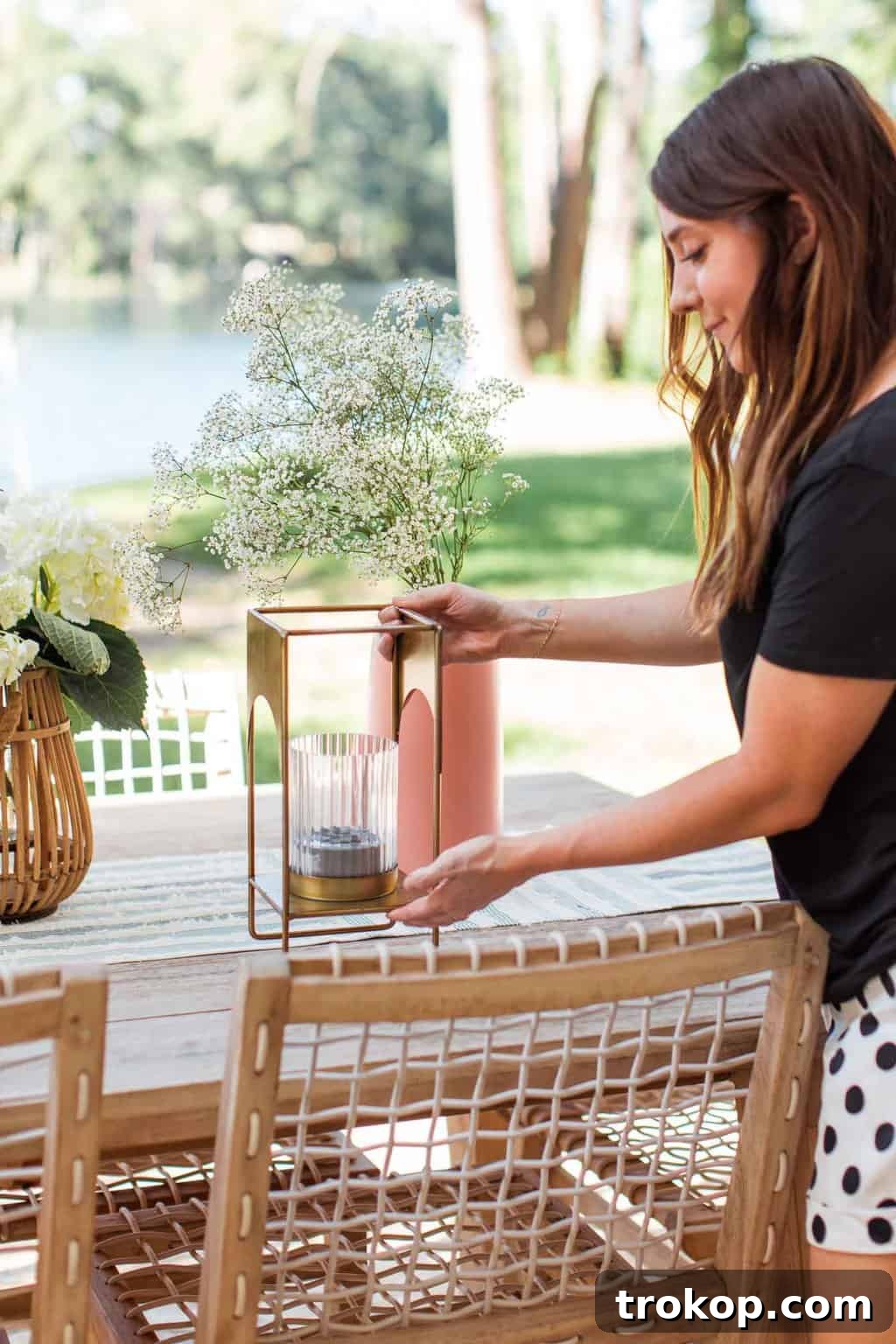
Effective Strategies for Keeping Flies Away from Your Outdoor Dining Experience
There’s nothing quite like enjoying a meal outdoors, soaking up the fresh air and sunshine. However, this idyllic scene can quickly turn into a frustrating battle against uninvited guests: flies. These persistent pests can ruin even the most meticulously planned al fresco gathering, buzzing around your food and guests, making relaxation impossible. But what if we told you that achieving a fly-free outdoor dining experience could be remarkably simple, perhaps even involving a common item costing just a few dollars?
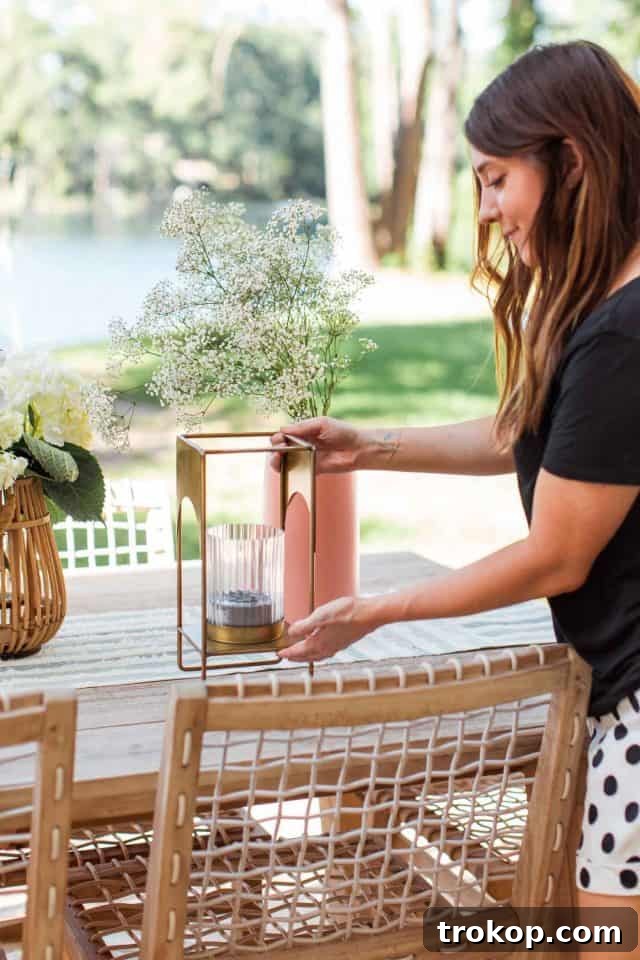
Let’s be honest, discussing flies might not be the most charming dinner conversation, but their presence is undeniably irritating. Many years ago, during a memorable trip to Harbour Island, we stumbled upon a simple, yet utterly game-changing hack for repelling flies. Life by the beach, while enchanting, often meant that every meal became a subtle mission in pest control. Locals, seasoned in the art of outdoor living, shared a secret that transformed our dining experiences.
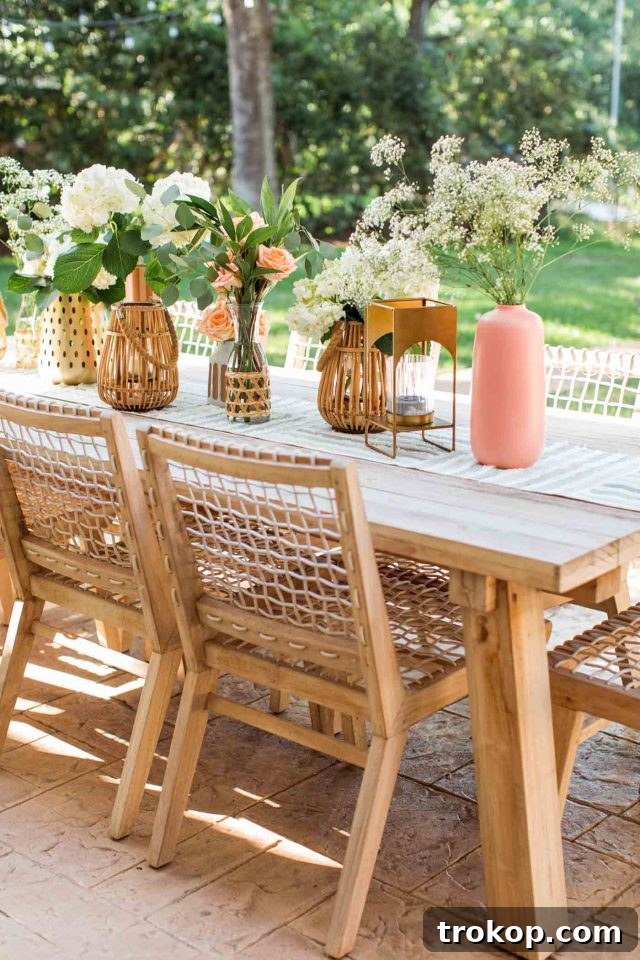
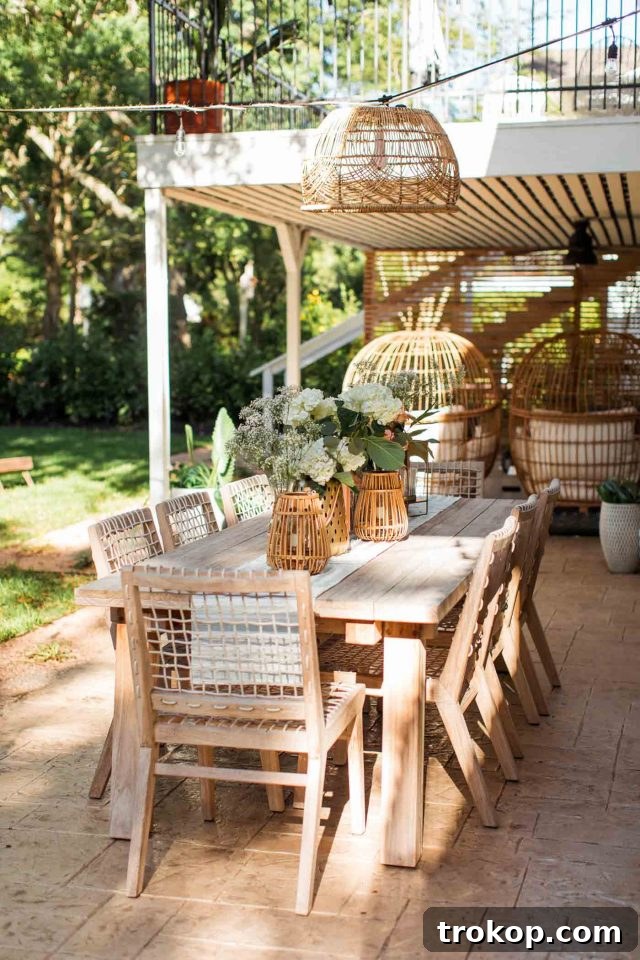
We’d almost forgotten this little Bahamian secret until recently. After setting up our beautiful Article Teaka outdoor dining table and chairs this spring, complete with a DIY battery-operated outdoor light for lakeside meals, we found ourselves facing the all-too-familiar fly problem. These pesky insects were truly killing our outdoor vibe, and for those who know us, you know we don’t take our love for entertaining lightly!
The $3 Bahamian Secret: Harnessing Sterno for Fly Control
Any outdoor dining setup, especially during warm weather, can feel like an open invitation for flies. Our goal was to find an effective deterrent that didn’t involve harsh pesticides, especially not around our food, and certainly wouldn’t detract from our carefully curated tablescape. We wanted to avoid unsightly bug lamps, sticky fly traps, or buzzing light zappers. This led us back to the ingenious trick we learned in the Bahamas, a method that is both effective and aesthetically pleasing.
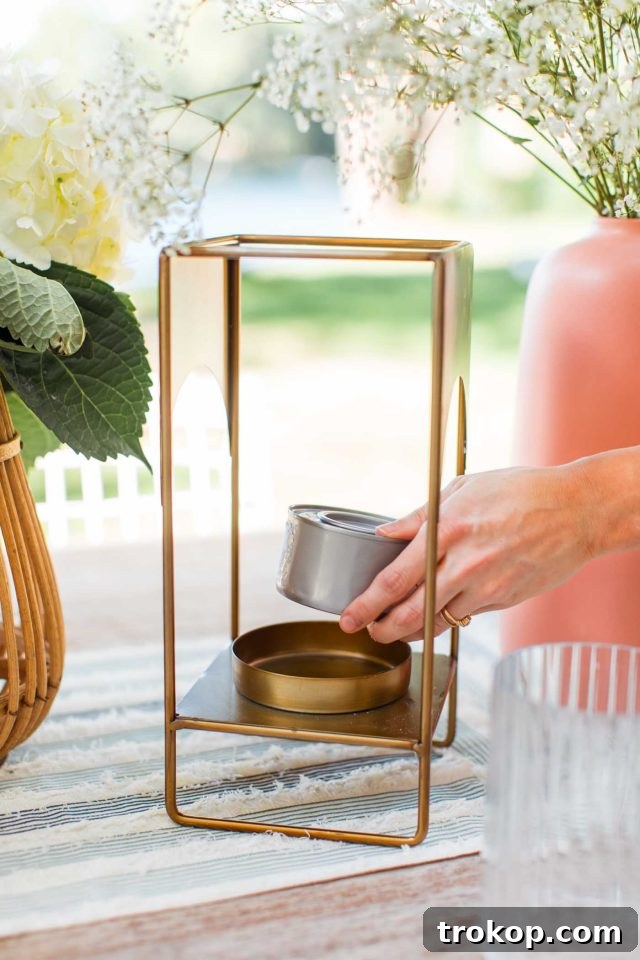
The secret weapon? Sterno canned heat – the small, portable fuel often used to keep buffet dishes warm. It’s surprisingly affordable, usually costing around $3 a can, and incredibly effective. Here’s what you’ll need for this elegant fly-control hack:
- Sterno canned heat: Available in most grocery stores, camping sections, or online.
- Stick lighter: For safe and easy ignition.
- Decorative candle vase or lantern: (Optional, but highly recommended for style and safety).
How to Use Sterno Safely and Stylishly to Keep Flies Away
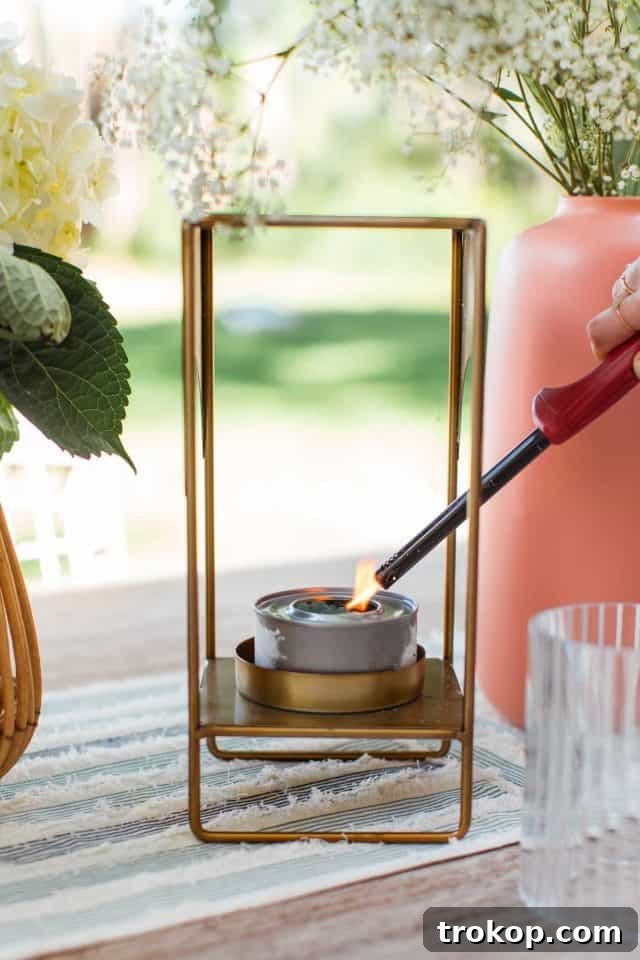
The moment you light the Sterno gel, flies are instantly deterred. The heat and subtle scent released by the burning gel create an invisible barrier that these pests simply avoid. This effect lasts for several hours, ensuring uninterrupted dining pleasure. For larger gatherings or long dining tables, such as our eight-person setup, we recommend placing a Sterno can every few feet to maintain consistent coverage around your entire dining area.
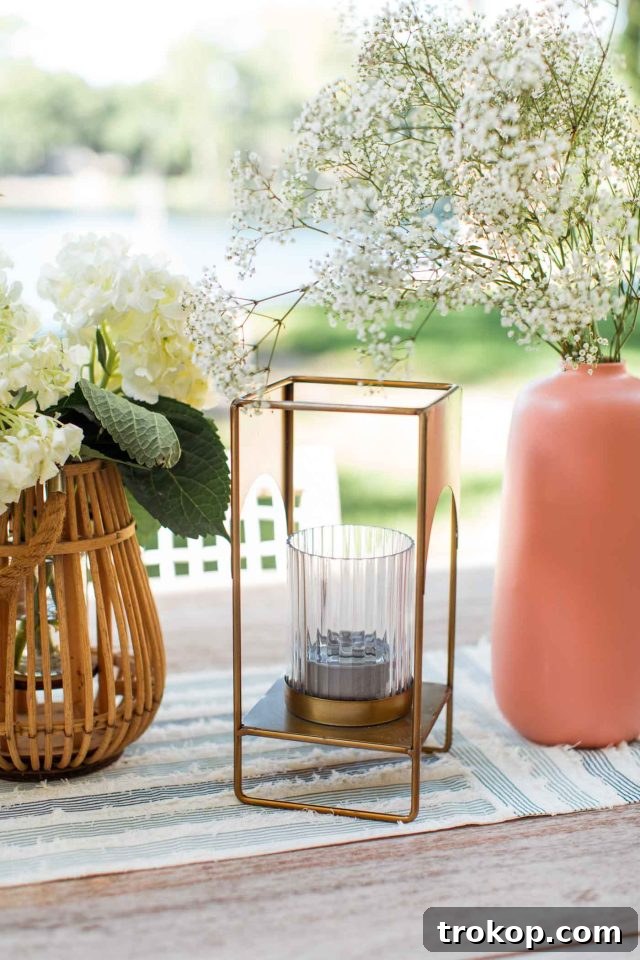
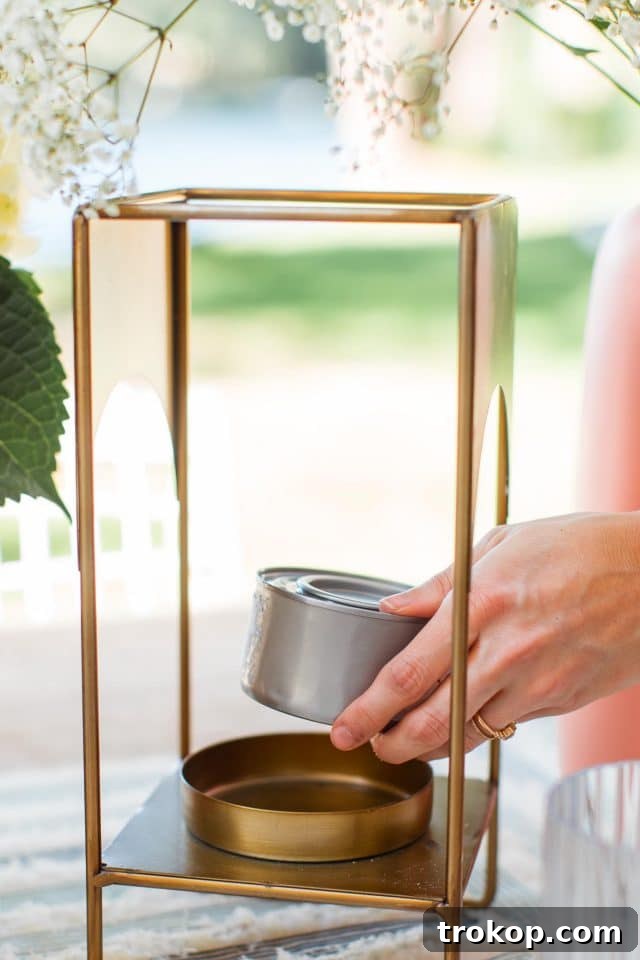
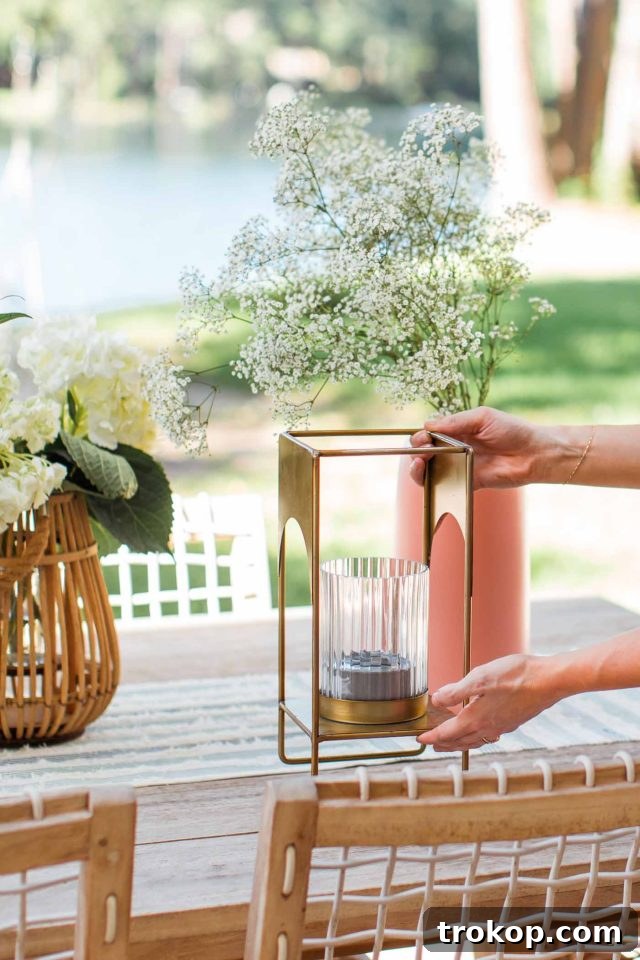
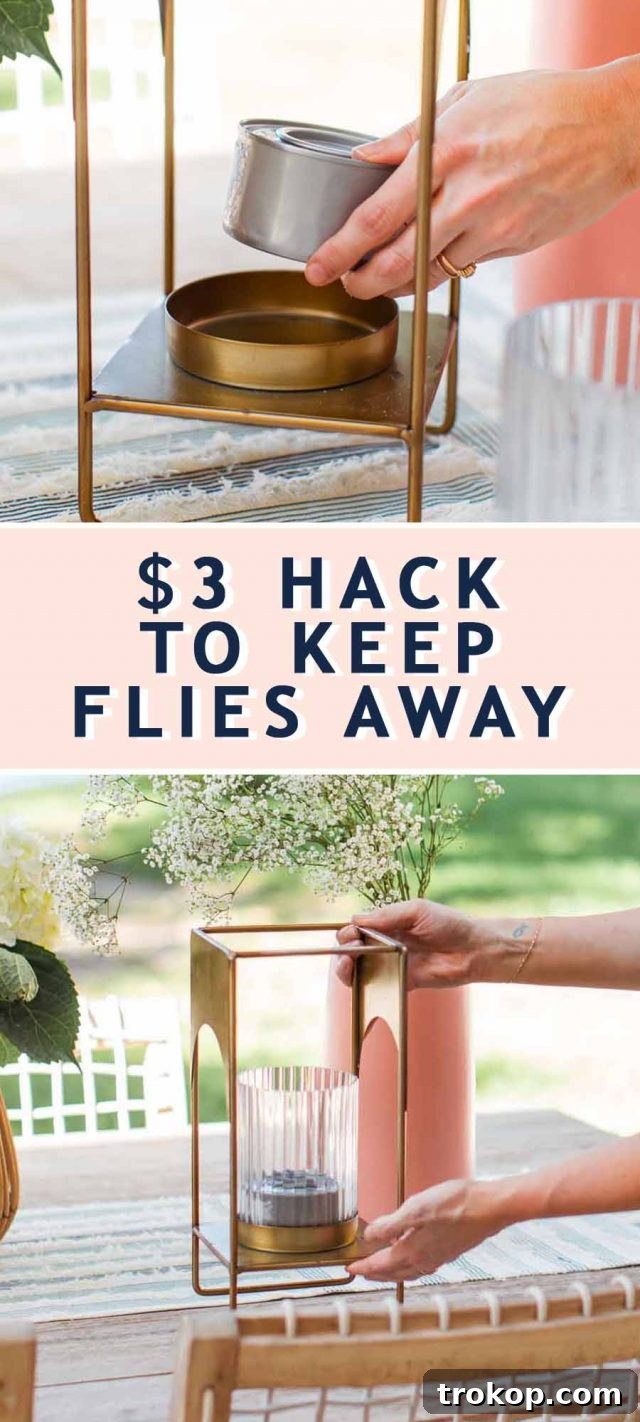
To elevate this practical hack into a chic tablescape element, we remove the original label from the Sterno can and place it inside a heat-safe decorative vase or lantern before lighting. This not only integrates seamlessly with your outdoor decor but also adds a crucial layer of safety. The Sterno can becomes very hot to the touch while burning, and enclosing it in a decorative vessel prevents accidental contact, making it safe for guests, especially children, and pets. All Sterno cans come with tight-fitting lids. Be sure to save these lids! They are essential for extinguishing the flame and sealing the can for reuse, allowing you to enjoy many more fly-free outdoor dining occasions.
Natural & Chemical-Free Fly Repellent Methods
While the Sterno trick is our top recommendation for its speed and effectiveness, it’s always good to have a few backup strategies, especially if you’re looking for completely natural, organic solutions or find yourself in a pinch. Here are several other eco-friendly ways to use common household items and organic materials to combat a fly infestation and protect your outdoor dining space:
Scent-Based Deterrents: The Power of Herbs and Spices
- Use aromatic herbs and spices: Flies are highly sensitive to strong scents, and many common herbs act as natural repellents. Incorporate fly-repelling herbs like fresh rosemary, fragrant citronella, warm cinnamon, peppery basil, soothing lavender, and refreshing mint into your table décor. You can place small pots of these herbs directly on your table or arrange sprigs in decorative vases. Not only do they add a beautiful, aromatic touch to your setting, but citronella torches and candles also pull double duty as effective mosquito repellents. For an extra boost, gently crush the leaves of these herbs to release their potent oils just before guests arrive.
Visual Decoys: The Penny and Water Trick
- Water and pennies to keep flies away: This method might sound like an old wives’ tale, but it surprisingly works! Fill a clear glass or jar with water and drop in 4-5 old pennies. Place these glasses around your dining area. The theory suggests that adult flies are wary of larger “bugs” or predators, and the light refraction created by the water and pennies tricks them into thinking something much bigger is lurking, scaring them away. For broader coverage in a larger area, you can fill clear plastic bags with water and a few pennies, then hang them strategically a few feet away from your dining space, such as from eaves or tree branches.
Air Movement: Keeping Flies at Bay with a Gentle Breeze
- Fly swatter fan or oscillating fans: Flies are weak flyers and absolutely despise wind. A gentle breeze is enough to make it difficult for them to land or navigate, effectively driving them away. Consider using a quiet fly swatter fan (which rotates soft blades to create air currents without harming anything) or strategically placed oscillating fans. Their quiet operation and wide coverage make them an ideal, non-intrusive solution for maintaining a comfortable, fly-free dining atmosphere. Aim the airflow directly across food lines rather than from behind, preventing flies from “sneaking in” from a less protected angle. If dining under a canopy or gazebo, small battery-operated or plug-in fans mounted inside can provide excellent localized protection.
Leveraging Essential Oils for a Fly-Free Zone
Essential oils offer another powerful and natural way to repel flies without resorting to chemicals. Their concentrated aromas are potent deterrents to many insects. Always dilute essential oils with a carrier oil or water before applying to skin or surfaces, and perform a patch test if you have sensitive skin.
- Citronella oil: A classic insect repellent, citronella is highly effective against flies and mosquitoes. You can create a potent DIY spray by combining four ounces of mineral oil with thirty drops of citronella oil. Shake well, then add two ounces of unscented liquid soap flakes (or a mild castile soap) to help emulsify the mixture. Transfer to a spray bottle and use it to mist outdoor surfaces, picnic blankets, or even your clothing. This versatile blend can repel flies, mosquitoes, fleas, and other bothersome insects, making it a staple for outdoor enjoyment, much like our popular Balloon Dipped DIY Citronella Candle.
- Peppermint oil: The invigorating scent of peppermint is highly disliked by flies. To make a simple yet effective repellent, add 10-15 drops of pure peppermint essential oil to two ounces of water or a carrier oil such as coconut oil, jojoba oil, almond oil, or grapeseed oil. Shake the mixture vigorously in a spray bottle before each use. Apply it directly to your skin (after a patch test) or mist it onto outdoor furniture, table linens, and around food serving areas. The refreshing aroma will keep flies at bay while providing a pleasant scent for humans.
- Clove oil: Known for its warm, spicy aroma, clove oil is another excellent natural fly repellent. Create a powerful spray by mixing 5-7 drops of clove essential oil with two ounces of water in a spray bottle. Remember to shake thoroughly before each application, as oils and water can separate. This mixture can be sprayed around entryways, windows, and outdoor dining spaces to create an aromatic barrier that flies will avoid.
- Cedar oil: One of the most traditional and enduring oils used to repel flies and other outdoor insects is cedar oil. Its woody, earthy scent is a natural deterrent. Cedar oil can be used alone or combined with other complementary essential oils like lemon eucalyptus, clove oil, lemongrass oil, and citronella for a broader spectrum repellent. For a continuous effect, consider using cedar wood chips or cedar oil-repellent mats in your yard. Simply add a few drops of cedar oil to these materials for an enhanced, long-lasting repellent effect around your patio or garden.
- Eucalyptus oil: With its strong, camphorous aroma, eucalyptus oil stands out as one of the most effective essential oils for repelling a variety of flies. It can be utilized on its own or synergistically blended with other powerful essential oils such as peppermint, citronella, and lemongrass oil to create a multi-faceted repellent. For ease of application, add eucalyptus oil to water in a spray bottle and mist liberally around your outdoor living and dining areas. The refreshing scent will not only deter flies but can also help clear the air.
Physical Barriers: Your First Line of Defense for Outdoor Dining
Sometimes, the most straightforward approach is the most effective. Physical barriers provide an excellent, chemical-free way to keep flies away from your food and guests. These solutions are not only practical but can also be integrated creatively into your outdoor dining setup.
- Mesh food covers and cloches: These elegant and practical solutions are perfect for protecting dishes set out on the table. They allow your guests to admire the culinary spread while ensuring that no flies can land on the food. Available in various sizes and styles, from collapsible mesh tents to decorative metal or glass cloches, they add a refined touch to your presentation while performing a vital function.
- “Screened-in” dining: For comprehensive, full-coverage protection, consider investing in screened dining tents or table umbrellas with mesh drapes. These provide an enclosed, insect-free space that still feels airy and connected to the outdoors. They are particularly useful for larger gatherings or in areas with very high insect activity, allowing you and your guests to dine in complete peace.
- Smart food storage containers and serving lids: Beyond the immediate dining area, good food management is key. Keep backup dishes, prepped ingredients, and leftovers in tightly sealed containers or under secure serving tray lids. Only uncover food when it’s actively being served or consumed. This minimizes exposure time for flies and reduces attractants. You can even personalize your setup by making your own DIY food domes for a touch of creative flair.
Understanding and Eliminating Fly Attractants
The most effective long-term strategy for controlling flies outside is to address the root causes of their presence. Flies are primarily attracted by three main factors: readily available food sources, suitable breeding sites, and favorable environmental conditions. By understanding and eliminating what attracts them, you can significantly reduce their numbers and enjoy a more peaceful outdoor environment. Many of these culprits are easy to overlook, but neglecting them can quickly turn your yard or patio into an irresistible fly magnet. Use this quick checklist to proactively stay ahead of the problem:
- Seal trash cans tightly: Outdoor trash and recycling bins are prime targets for flies. Ensure all outdoor bins have snug, secure lids that completely contain odors and prevent flies from accessing what they perceive as a free buffet and breeding ground. Regular cleaning of bins with a strong disinfectant can also help.
- Wipe up spills promptly: Sugary drinks, cocktails, soda splashes, or even spilled food particles can draw flies almost instantly. These sweet and fermented residues are highly attractive. Clean up any sticky residue immediately after it occurs, rather than waiting, to prevent it from becoming a calling card for pests.
- Keep food areas closed off: After an outdoor gathering, or even during food preparation, make an effort to close doors and windows as much as possible to prevent flies from sneaking inside your home. Designate specific serving areas and keep other food items covered until needed.
- Pick up pet waste regularly: As much as we adore our four-legged friends, their “potty breaks” outside can attract flies quickly, serving as both a food source and a breeding ground. Scan the yard frequently and clean up pet waste right away to remove this major attractant.
- Remove fallen fruit & rotting vegetation: If you have fruit trees or a garden, overripe fruit that has fallen to the ground, or any decomposing plant matter in garden beds, can quickly become ideal breeding grounds for various types of flies, including fruit flies. Regularly clear away these organic materials.
- Empty standing water: While standing water is primarily known for attracting mosquitoes, it can also create damp, humid conditions that encourage other pests. These secondary pests, in turn, can draw flies. Regularly empty birdbaths, pet water bowls, clogged gutters, and any other containers that collect stagnant water.
DIY Sterno Fly Repellent: A Step-by-Step Guide
This simple, yet effective method is perfect for keeping your outdoor dining area free of flies. It’s quick to set up and provides hours of protection.
Equipment
- Stick lighter
Materials
- 1 Sterno Canned Heat
- 1 decorative candle vase or lantern (optional, but highly recommended for aesthetics and safety)
Instructions
- The flies are instantly deterred once the Sterno gel is lit. The burning gel creates an invisible barrier of heat and subtle scent that flies avoid, keeping your dining space clear for several hours.
- For optimal effectiveness, especially if you have a large gathering or an eight-person table like ours, you’ll need to place a Sterno can every few feet around the perimeter of your dining area. This ensures consistent coverage and prevents flies from finding unprotected entry points.
- To enhance the appearance of your tablescape and improve safety, carefully remove the original label from the Sterno can. Then, place the can inside a heat-safe decorative vase or lantern before lighting the gel.
- This decorative enclosure serves a dual purpose: it beautifully integrates the repellent into your decor and, more importantly, prevents anyone from accidentally touching the hot can. Sterno cans become very hot during use, so this barrier is crucial for safety.
- All Sterno cans come with tight-fitting lids. Be sure to save these lids! They are essential for safely extinguishing the flame when you’re done dining and for sealing the can to preserve the remaining fuel for future outdoor occasions.
Notes on Natural Fly Repellents
- Aromatic Herbs & Spices: Place fresh herbs like rosemary, citronella, cinnamon, basil, lavender, or mint directly on your table as part of your decor. Their natural scents deter flies, and as an added bonus, citronella torches and candles also help repel mosquitoes.
- The Water & Penny Trick: Fill a clear glass with water and drop in 4-5 old pennies. While it seems unusual, the light refraction is thought to confuse flies, making them avoid the area. For wider coverage, fill clear plastic bags with water and pennies, then hang them a few feet away from your dining setup.
Cost: Approximately $3 per can of Sterno.
Beyond Flies: More Outdoor Entertaining Inspiration
Now that your outdoor dining space is protected from pesky flies, perhaps the only remaining challenge is tackling those tiny fruit flies in your kitchen fruit bowl! Do you have any other tried-and-true tricks for keeping flies away outside or clever entertaining hacks? We’d love to hear your ideas in the comments section below! In the meantime, if you’re looking for more ways to enhance your outdoor living and entertaining, explore some of our favorite DIY projects and creative solutions:
- A DIY dry erase board from a picture frame for interactive messages.
- Make a DIY hanging planter from a common household item to add greenery.
- How to make faux grass garden stones for a whimsical touch.
- Enjoy your garden ambiance with DIY citronella candles for mosquito defense.
- This vertical planter would make a great DIY gift idea too!
- DIY ring toss game for small spaces, perfect for backyard fun.
- A battery-operated outdoor basket pendant light for enchanting evening glow.
- Modern DIY wind chime to add soothing sounds to your garden.
You Might Also Love These Related Posts:
Looking for the perfect wall mirror? Explore our roundup of unique and stylish options to instantly elevate any room.
Continue Reading
Discover the best beach toys for kids, toddlers, and families to make your vacation unforgettable and full of seaside adventures.
Continue Reading
From DIY projectors to cozy seating arrangements, explore the best tips and tricks for creating a magical outdoor cinematic experience.
Continue Reading
Create festive and unique decorations with these pumpkin painting ideas, perfect for autumn holidays like Halloween and Thanksgiving.
Continue Reading