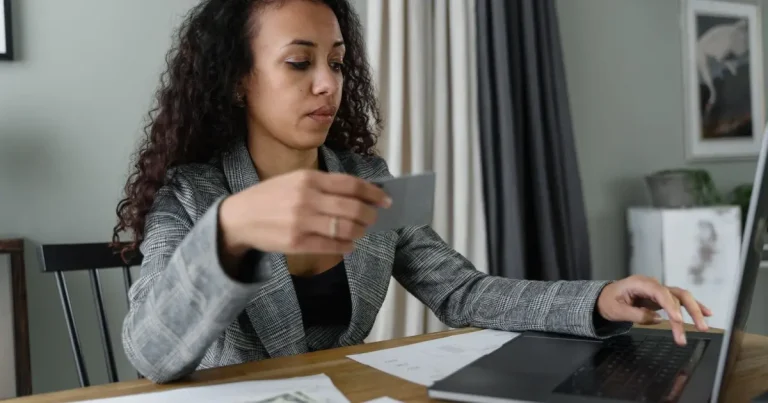
It’s the first Saturday of the month and you’re at the kitchen table with a laptop and a mug of coffee going cold. The electric bill, the phone plan, car insurance, daycare, the mortgage, a quarterly estimated tax payment. Your rewards card earns 2 percent back, and a thought crosses your mind: what if every one of these went on the card, and you just paid the card?
For some bills, that’s a tidy and slightly profitable idea. For others, a processing fee eats the reward and then some. The difference comes down to one comparison per bill.
The quick answer
- Put a bill on a card only if the rewards rate is higher than any fee for paying by card.
- Utilities, phone, internet, streaming and insurance are usually good candidates, since many accept cards free.
- Mortgages and most rent payments usually aren’t, because direct card payment is rare and third-party services charge fees.
- Childcare depends entirely on whether the provider passes the card fee on to you.
- Federal taxes cost a percentage fee that typically exceeds what a flat cash-back card earns.
- None of this works unless the card is paid in full every month.
The only math you need
For each bill, compare two numbers: what the card pays you and what the biller charges you to use the card. Take a hypothetical $150 electric bill on a 2 percent card. With no fee, you earn $3. With a flat $3.95 convenience fee, you lose 95 cents. With a 2.5 percent fee, you lose 75 cents. Small amounts, but repeated every month across a dozen bills, they decide whether the system is worth it.
The bigger factor is interest. The Federal Reserve’s G.19 release put the average rate on credit card accounts assessed interest at about 22 percent in the third quarter of 2026. Carry one month’s bills on a card at that rate and the interest wipes out a year of rewards on them.
Bill by bill
Electricity, gas and water
Many utilities accept cards through their own website at no charge. Others route card payments through a processor that adds a flat convenience fee, often a few dollars per payment. Check your utility’s payment page before switching. Water and sewer bills from municipal agencies are more likely to carry fees than investor-owned electric companies.
Phone, internet and streaming
These are the easiest wins. Card payments are standard and fee-free, and several issuers offer elevated rewards on phone or streaming categories. Some carriers give a discount for autopay from a bank account instead of a card, so compare that discount against your rewards.
Insurance premiums
Auto and home insurers usually accept cards without fees, and annual premiums can be large enough to help reach a sign-up bonus. Health insurance through an employer is deducted from pay, so it’s off the table. Marketplace plans and life insurance vary by company.
Mortgage and rent
Most mortgage servicers don’t accept credit cards directly. Third-party payment services can bridge the gap, but they charge a percentage fee that typically runs above what flat cash-back cards earn. Rent is similar: some landlords and property portals take cards, but often with a surcharge. Unless you’re chasing a specific sign-up bonus and have done the arithmetic, these bills usually belong in checking.
Childcare
Daycare centers, after-school programs and summer camps are split. Larger centers often accept cards free or build the cost into tuition. Smaller providers and in-home daycares may add a card fee or prefer bank transfers. If your employer offers a dependent care FSA, your payment method doesn’t affect eligibility, but keep the receipts either way.
Federal and state taxes
The IRS accepts card payments only through approved processors, and they charge the fee, not the IRS. As of late 2026, the IRS card payment page lists credit card fees of 1.75 percent and 1.85 percent, each with a $2.50 minimum, and debit card fees of about $2. On a hypothetical $3,000 quarterly estimated payment, a 1.75 percent fee costs $52.50. A 2 percent card returns $60, a margin of $7.50 for the effort. A 1.5 percent card loses money. State tax agencies set their own fees, which are often higher.
Medical bills
Doctors and hospitals almost always take cards free. But before charging a large bill, ask about a no-interest payment plan. Medical providers often offer one, and moving medical debt onto a card turns a zero-interest balance into a high-interest one if you can’t pay it off at once.
The risks of running the whole house through one card
Routing everything through a single card makes one statement a complete record of household spending, which is useful. It also creates a few weak points.
- Utilization spikes. A family that puts $4,000 of bills on a card with a $6,000 limit shows high utilization when the statement closes, which can lower credit scores until it’s paid.
- One fraud alert can freeze everything. If the card is compromised and replaced, every autopay attached to it fails until you update the number. Keep a list of what’s linked.
- A missed payment multiplies. If cash is short one month, you’re behind on all your bills at once, at credit card interest.
- Essential bills deserve a backup. For the electric bill and the mortgage, a failed card payment is a bigger problem than a failed streaming charge.
Some households solve this by keeping essentials on bank autopay and putting only flexible, fee-free bills on the card. If you’re choosing which card should carry the load, our guide to matching a credit card to your family’s real spending starts with a three-month audit rather than a rewards chart.
Common questions
Does paying bills by card help my credit score?
Not directly. Utility and phone companies generally don’t report on-time payments to the bureaus whether you pay by card or bank. What builds credit is the card account itself being paid on time with moderate utilization.
Can I pay one credit card with another?
Not directly. Issuers don’t accept credit card payments for credit card bills. Balance transfers and cash advances are the workarounds, and both usually come with fees.
Should autopay pull the full statement balance or the minimum?
If cash flow allows, set it to the full statement balance. That keeps the grace period intact and makes the rewards actually worth something. Minimum-payment autopay prevents late fees but lets interest pile up.
Are rewards on bill payments taxable?
The IRS has generally treated cash back on purchases as a rebate rather than income. Sign-up bonuses that don’t require spending can be treated differently.
If you only remember one thing
A bill belongs on a credit card when it’s free to charge and you’ll pay the card in full. Fees turn the math negative fast, and interest turns it negative for the whole year. Check each bill’s payment page once, write down which ones are fee-free, and move only those.