
Do your towering ceilings leave your rooms feeling dim or uninviting? Unlock the full potential of your grand spaces with expert lighting solutions. High ceilings, often reaching 20 feet or more, present a unique set of challenges and opportunities for creating truly spectacular interiors. This comprehensive guide offers innovative lighting for 20-foot ceilings, ensuring your home is bathed in perfect illumination.
Lighting is arguably one of the most critical elements in interior design. It possesses the power to transform a house into a warm, welcoming home or leave it feeling stark and uninspired. For rooms featuring dramatic 20-foot ceilings, selecting the right lighting fixtures and strategies is paramount. Proper illumination can enhance the sense of spaciousness, create focal points, and cultivate an atmosphere of comfort and sophistication. Conversely, inadequate or poorly planned lighting can make a magnificent space feel cold, cavernous, or even darker than it actually is, diminishing its inherent grandeur.
While standard ceilings typically range from 8 to 10 feet, most conventional light fixtures and bulbs are designed with these heights in mind. This means that a standard lighting approach simply won’t suffice for the expansive volume of a room with 20-foot ceilings. Such elevated ceilings, combined with often wider rooms, hold immense potential for breathtaking aesthetics and a truly luxurious feel. However, achieving this requires going beyond basic recessed lighting; it demands a thoughtful, layered approach to lighting design.
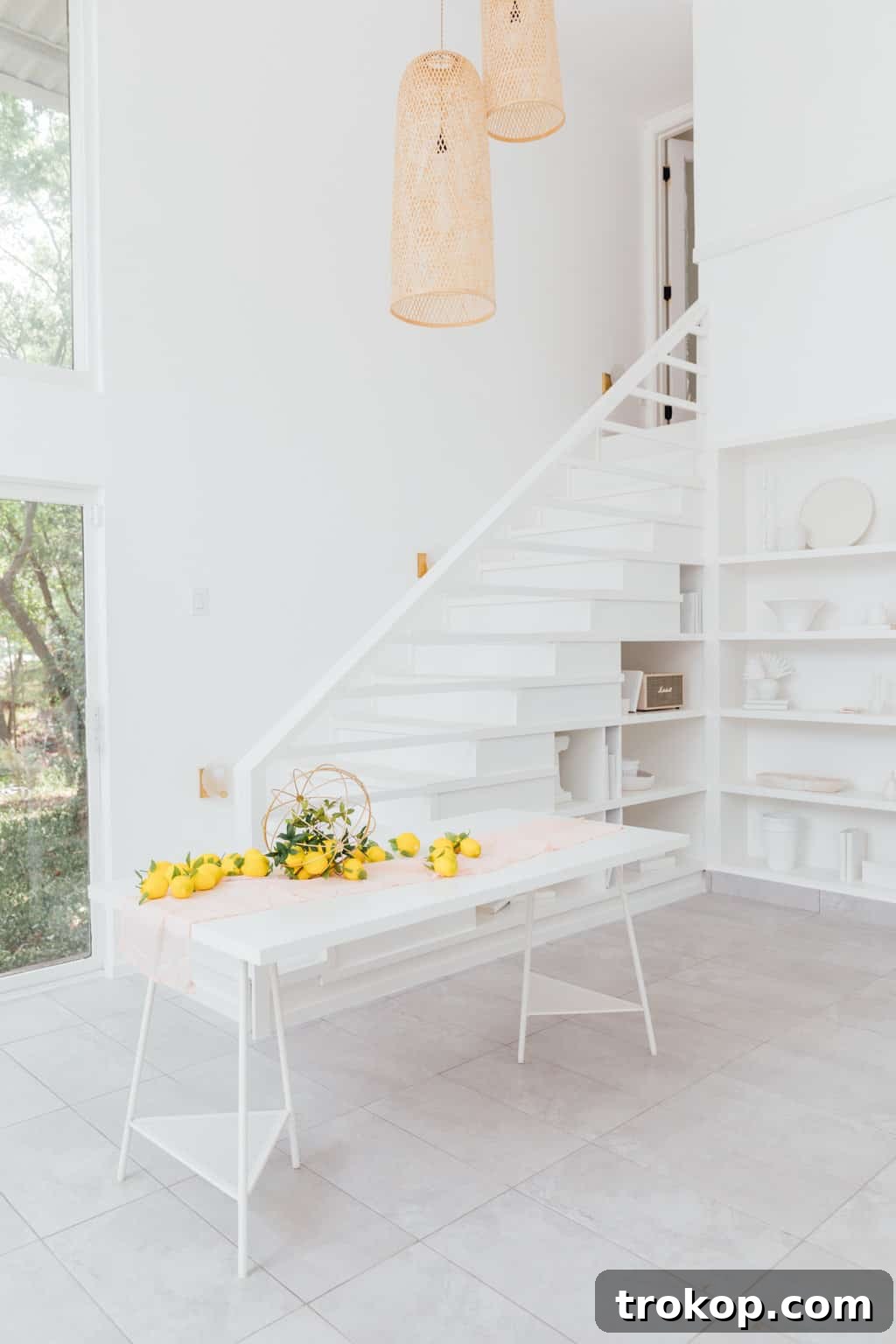
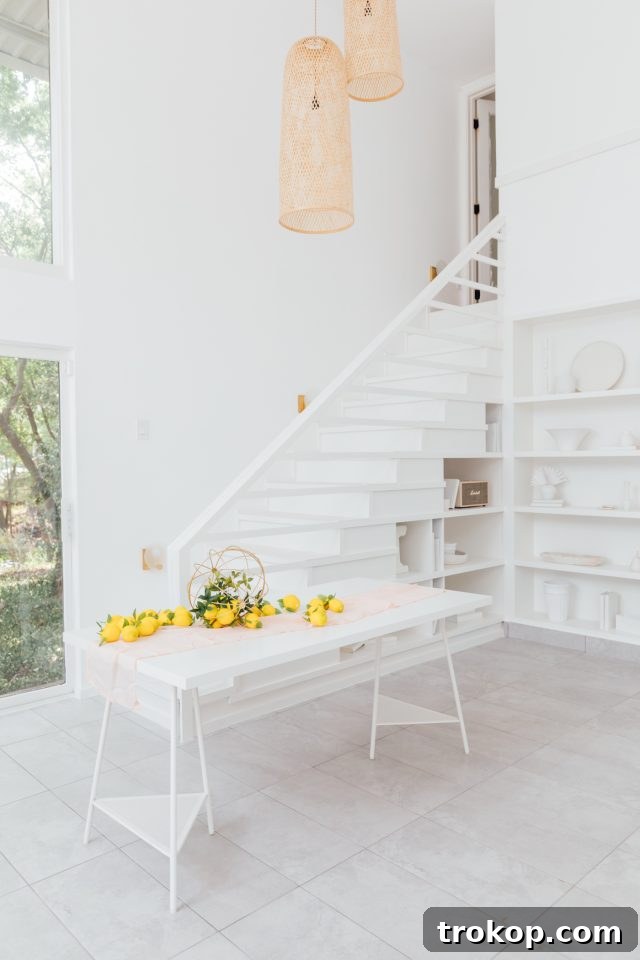
In this guide, we’ll explore the essential principles and creative ideas for effectively lighting 20-foot ceilings. These insights are not limited to residential spaces; they are universal and can be applied to any high-ceiling environment. For instance, we leveraged these very strategies when designing the captivating lighting scheme for The Juliana event space, incorporating elements like stylish rattan pendant lights and much more to create an unforgettable ambiance.
How Do You Light a Room with a Tall Ceiling?
The gift of tall ceilings is undeniable: they offer a sense of grandeur, allow for larger artwork, and make any room feel more expansive. However, this vertical expanse also translates to a significantly larger volume of space that demands proper illumination. Simply put, rooms with soaring ceilings require more strategic lighting elements and more powerful light sources compared to smaller, standard-height rooms. The key is to address the vastness without overwhelming the space or creating undesirable visual effects.
As a fundamental principle for high ceilings, it’s best to select high-lumen bulbs and fixtures that offer a broad beam angle to project light further and wider. High-lumen bulbs are inherently brighter, essential for reaching distant floors and walls. Incorporating statement hanging lights like elegant chandeliers and stylish pendants is highly effective, as they bring the light source closer to eye level, reducing the cavernous feel. For modern twists, consider versatile LED lights and even cleverly integrated laser projectors for ambient effects or architectural highlighting.
Equally important is understanding what to avoid. Installing too many lights that hang too low can ironically make the ceiling appear even higher and the room feel darker by creating pools of intense light without sufficient ambient spread. Conversely, relying solely on numerous lights placed too close to the ceiling can result in a harsh, uniform illumination that resembles a gymnasium or stadium rather than a comfortable living space. The goal is balance, layering, and thoughtful placement to accentuate the height while ensuring every corner feels welcoming and well-lit.
How Many Lumens Do You Need to Light a Room?
Determining the ideal amount of lumens (brightness) required for a room is primarily based on its square footage. While ceiling height doesn’t directly alter the base lumen calculation per square foot, it significantly influences how those lumens need to be distributed and intensified to achieve the desired effect. For a room with 20-foot ceilings, you’ll often need more overall lumens or a greater number of fixtures to ensure the light reaches the lower parts of the room effectively.
How to calculate how many lumens you will need for a room:
This simple two-step process provides a solid foundation for your lighting plan:
- First, calculate the room’s square footage by multiplying the room’s length by its width.
- Then, take that number and multiply it by the recommended “foot candles” (lumens per square foot) for that specific room type.
Commonly used foot candle values:
- Kitchen — 30 to 40 lm/sq ft
- Living room — 10 to 20 lm/sq ft
- Bedroom — 10 to 20 lm/sq ft
- Dining room — 30 to 40 lm/sq ft
- Bathroom — 70 to 80 lm/sq ft
- Hallway — 5 to 10 lm/sq ft
For example, a typical light bulb offers between 1,500 to 1,700 lumens. If you have a 200-square-foot living room, you would need approximately 2,000 to 4,000 lumens (200 sq ft * 10-20 lm/sq ft). This translates to needing roughly 2 to 4 standard light bulbs for the room’s base illumination.
Now, let’s factor in those impressive 20-foot ceiling heights. While the base lumen calculation remains the same, the actual number of bulbs or fixtures might need to be increased at your discretion to compensate for the greater vertical distance the light must travel. The crucial element is to strategically distribute a variety of light fixtures – from floor lamps and table lamps to grand chandeliers and wall sconces – across the entire space. Your goal is not only to adequately light the room but also to artfully enhance its surroundings and proudly showcase the magnificent height of the tall room, rather than letting it feel like a dark void above.
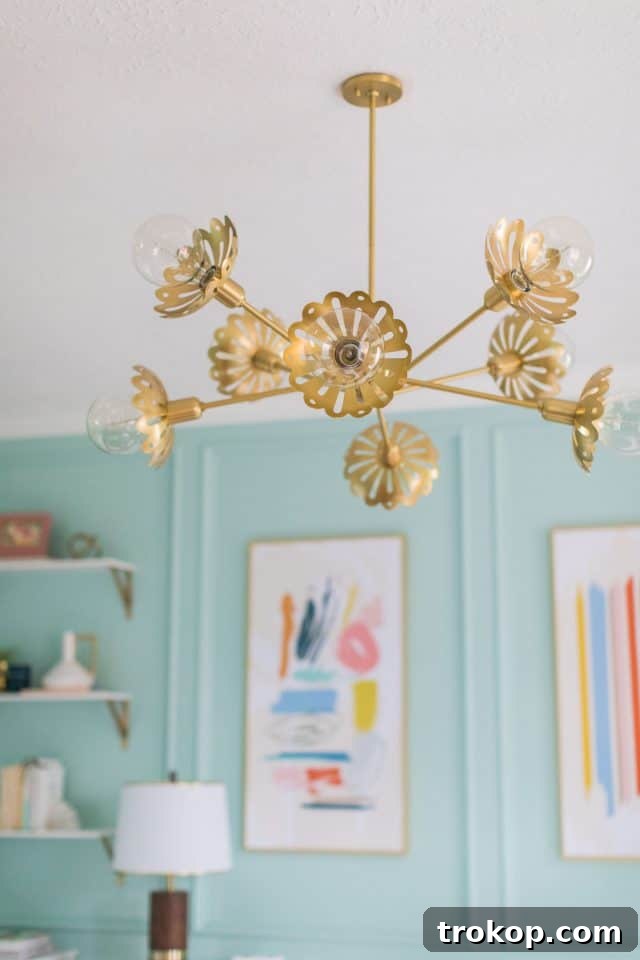
Choosing Warm Light Versus White Light
Beyond the quantity and type of lighting, the color temperature of the light plays a significant role in defining a room’s mood and functionality, especially in expansive spaces. Color temperature, measured in Kelvin (K), dictates whether a light appears warm (more yellow/orange) or cool (more blue/white).
Warm white light (typically 2700K-3000K) emits a soft, inviting glow reminiscent of incandescent bulbs or candlelight. This color temperature is ideally suited for living spaces, bedrooms, and dining rooms, where the goal is to create a cozy, relaxing, and intimate atmosphere. It encourages comfort and conversation, making it perfect for unwinding after a long day.
Cool white light (ranging from 4000K-5000K) produces a crisper, brighter illumination that is more energizing and conducive to concentration. This makes it a preferred choice for areas where tasks are performed, such as home offices, kitchens, and bathrooms. The heightened clarity helps with visibility and alertness, enhancing productivity and precision for daily activities. For high-ceilinged rooms, a blend of color temperatures, perhaps warmer for general ambiance and cooler for specific task areas, can offer the best of both worlds, providing flexibility and tailored illumination.
Ideas for Lighting 20-Foot Ceilings
Transforming a room with 20-foot ceilings into a beautifully lit sanctuary requires a blend of bold statements and subtle strategies. Here are some of the most effective ideas to achieve stunning illumination:
1 — Hang pendants or chandeliers.
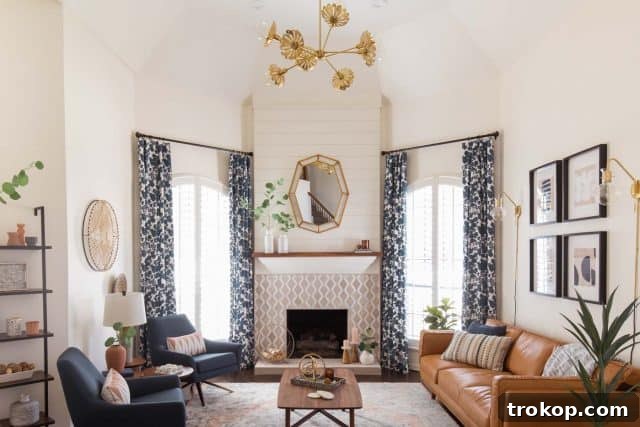
- Chandeliers: These are a timeless and sophisticated choice for spaces with high ceilings. Their grand scale and intricate designs naturally draw the eye upwards, celebrating the room’s verticality. Chandeliers come in an astonishing array of styles, from opulent crystal fixtures to sleek, modern geometric designs, ensuring there’s a perfect match for any decor. For 20-foot ceilings, consider multi-tiered or elongated designs that fill the vertical space without appearing lost or overwhelming.
- Pendant Lights: Versatile and chic, pendant lights are another excellent option for ambient and task lighting. Suspended from the ceiling by a cord or chain, they effectively bring light sources down to a more intimate level. In high-ceiling rooms, pendants can be used individually as a focal point, or grouped together in clusters or rows to create a dramatic statement over kitchen islands, dining tables, or in grand entryways. They are perfect for providing focused illumination on specific areas while also contributing to the overall room ambiance.
Note: When suspending lights from the ceiling, prioritize choosing generously sized hanging lights. Larger fixtures command attention in vast spaces and allow for greater width and surface area for light to reflect and spread, enhancing both illumination and visual impact.
2 — Use long-lasting LED bulbs or fixtures.
Embracing LED technology is a smart investment for high-ceiling environments. The use of LED bulbs and fixtures significantly lowers your energy consumption, directly translating to noticeable savings on your energy bill. Beyond cost-efficiency, their exceptional longevity is a major advantage for fixtures mounted at great heights. Fewer trips up a tall ladder to change a bulb mean more convenience and less maintenance hassle.
While the initial upfront cost of LED bulbs and fixtures may be higher than traditional incandescent or fluorescent options, their superior energy efficiency and remarkably long lifespan make them a more economical choice in the long run. Many LEDs also offer dimming capabilities, allowing you to easily adjust the ambiance, and some even integrate with smart home systems for ultimate control. They provide consistent, bright light without producing excessive heat, making them ideal for sustained use in large rooms.
3 — Pair recessed lighting wisely with hanging lights.
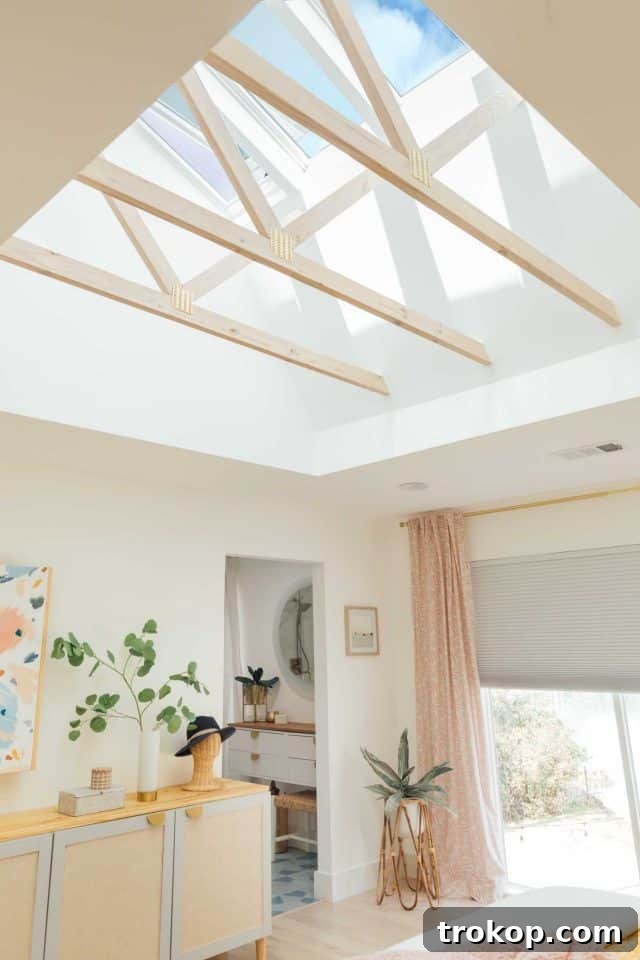
Recessed lighting, often called can lights, provides discreet, uniform ambient light, but for 20-foot ceilings, they need careful consideration. To avoid the “runway” effect, integrate them thoughtfully with hanging lights.
When using recessed lights, select those with a narrower beam angle (spot or narrow flood) if your intention is to highlight specific architectural features, artwork, or parts of the room. This creates dramatic accents and prevents light from dissipating too widely. For more general illumination, opt for recessed lights with a wider beam angle and, importantly, a reflector trim. Reflector trims are designed to capture and intensify the light emitted from the bulb, directing it downwards more effectively. This allows the light to fill the large volume of space better than a standard, narrower beam would.
To illuminate walls and prevent dark shadows, space recessed lights approximately 2 to 3 feet away from the wall. This technique, known as “wall washing,” bathes the vertical surfaces in light, making the room feel brighter and more open. Although often subtle, this strategic placement significantly elevates the overall room lighting, making the vast walls feel illuminated rather than shadowy and cold.
4 — Maximize natural light.
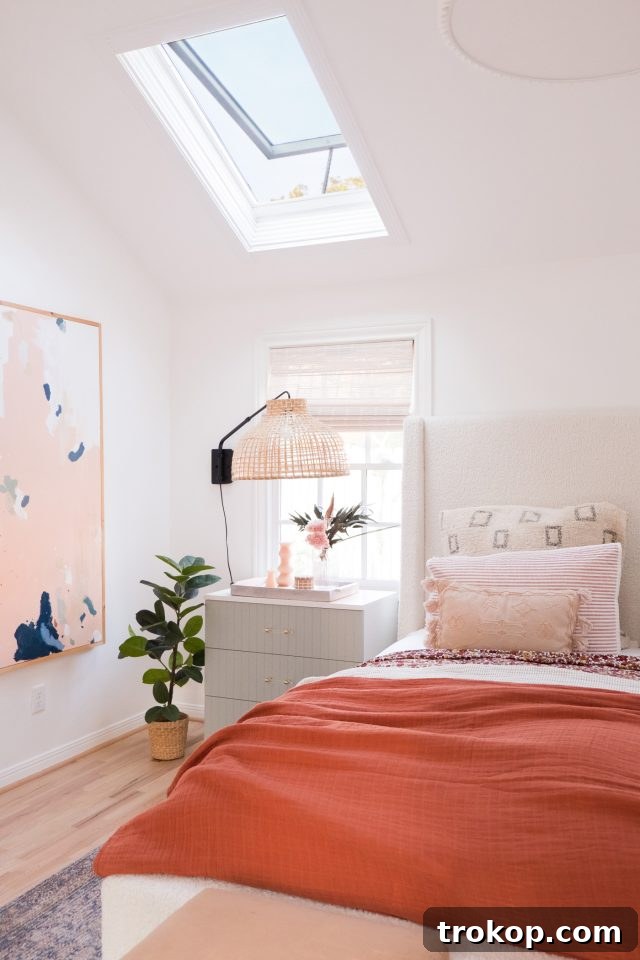
Natural light is arguably the most coveted and effective form of illumination. It’s free, energy-efficient, and provides a dynamic, warm glow that is inherently pleasing to the human eye. Many rooms with high ceilings are blessed with generously tall windows, presenting an unparalleled opportunity to harness this invaluable resource. While natural light shouldn’t be your sole lighting design element, it should undoubtedly form the fundamental basis upon which your artificial lighting scheme is built.
To maximize natural light, consider the orientation of the space relative to the sun. South-facing windows typically receive the most direct and intense sunlight throughout the day. East-facing windows welcome the soft, warm light of the morning, while west-facing windows capture the vibrant, often dramatic, light of the afternoon and evening. North-facing windows generally receive the least amount of direct sunlight, offering a more consistent, diffused, and cooler light quality.
During the daytime, make it a practice to keep blinds and curtains fully open to allow both direct and indirect sunlight to flood the room. This not only brightens the space but also connects the interior with the outdoors, enhancing mood and well-being. As dusk approaches, transition seamlessly to softer, layered artificial lighting options. Incorporating reflective surfaces, such as large mirrors strategically placed opposite windows or light-colored walls, can further amplify and distribute natural light throughout the expansive room.
5 — Follow the three layers of lighting design rule.
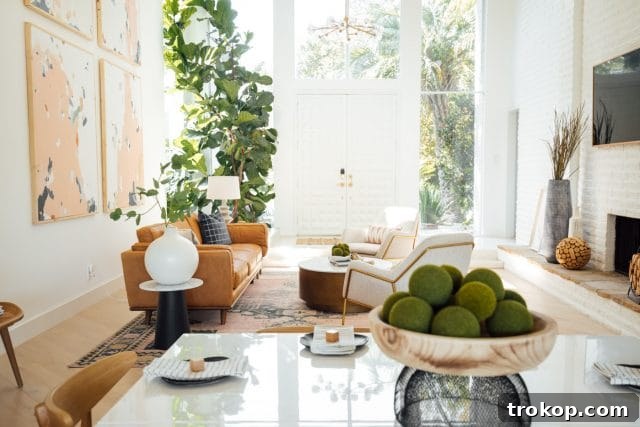
The three layers of lighting design—ambient, accent, and task—form the cornerstone of a functional and aesthetically pleasing space, particularly vital for rooms with 20-foot ceilings. By integrating all three layers, you create a dynamic and versatile lighting environment that can adapt to various activities and moods, all without excessive effort or over-lighting.
- Ambient Lighting: This is the general, foundational illumination that fills the room, providing a comfortable level of brightness without glare. For high ceilings, ambient lighting needs to be powerful enough to reach the lower half of the room. Examples include recessed lighting with wide beam angles and reflector trims, large flush or semi-flush mounts, and up-lighting that bounces light off the ceiling. The goal is to banish dark corners and provide an overall sense of light.
- Accent Lighting: This layer is designed to draw attention to specific features, textures, or objects within the room, creating visual interest and depth. In rooms with tall ceilings, accent lighting can beautifully highlight architectural details like exposed beams, textured walls, artwork, or built-in shelving. Track lighting with adjustable heads, narrow-beam recessed lights (gimbals), picture lights, and wall washers are excellent choices for accentuating these elements, transforming them into focal points.
- Task Lighting: Essential for functionality, task lighting provides concentrated illumination for specific activities. This layer brings light down to the human scale, ensuring optimal visibility for reading, cooking, working, or hobbies. In a high-ceiling room, task lighting can come from floor lamps positioned next to seating, table lamps on consoles or desks, under-cabinet lighting in kitchens, or even reading lights integrated into furniture. This layer ensures that practical areas are well-lit, preventing eyestrain and enhancing usability.
6 — Install additional wall lighting.
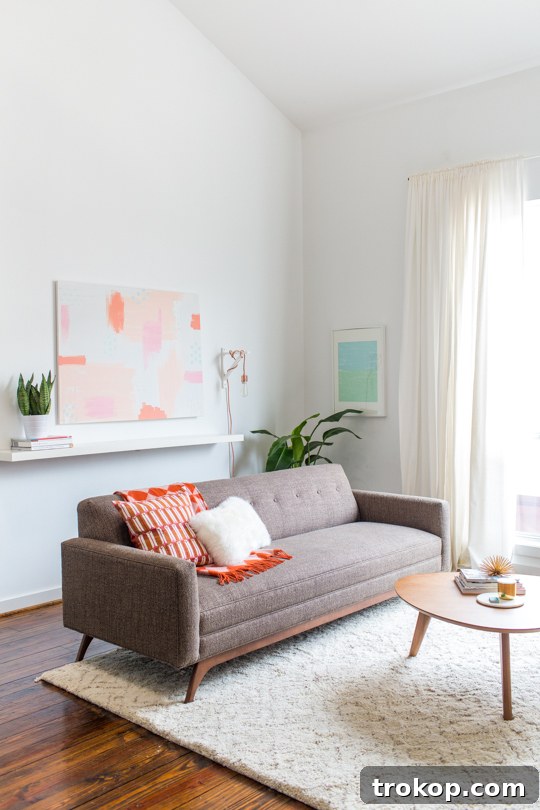
Wall lighting is an exceptional solution for rooms with high ceilings, performing a dual function of enhancing illumination and creating a more human-scale feel. By bringing light sources down from the distant ceiling to eye level, wall-mounted fixtures help to soften the vastness of the space and cultivate a sense of intimacy and coziness within a large, open area. They break up expansive vertical surfaces and reduce harsh contrasts, making the room feel more balanced and approachable.
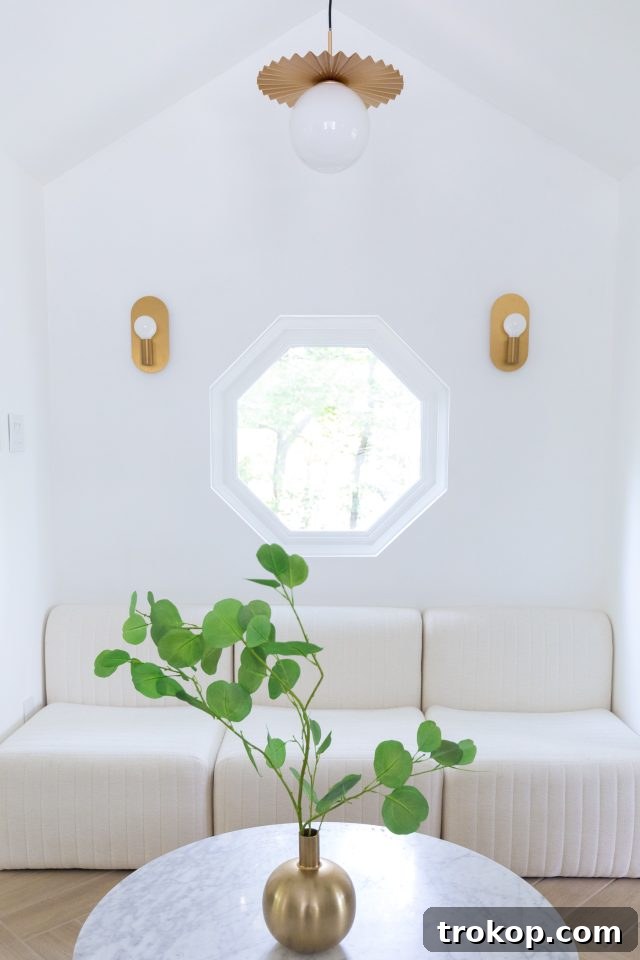
- Wall Sconces: These versatile fixtures are mounted directly onto the wall and can cast light upwards, downwards, or in both directions. Uplighting sconces illuminate the upper walls and ceiling, visually expanding the space and providing gentle ambient light. Downlighting sconces create pools of light for accent or task purposes. Sconces can provide overall illumination for a room or highlight specific architectural features, adding character and warmth.
- Picture Lights: Specifically designed to illuminate artwork, photographs, or decorative wall elements, picture lights are typically mounted above or sometimes below the piece. They draw attention to your cherished decor and prevent it from getting lost on a vast wall. Remember, strategically hanging your art higher on the wall can subtly emphasize the impressive ceiling height.
- Wall-Mounted Fixtures: Beyond sconces, this category includes a variety of lights that attach directly to the wall, such as modern linear lights, decorative panels, or even wall-mounted spotlights. They offer flexibility in providing overall illumination for a room, creating interesting light patterns, or highlighting specific features with focused beams. These lights are essential for filling in the “middle layer” of lighting in a tall room, ensuring a continuous flow of light from ceiling to floor.
7 — Opt for track or strip lighting.
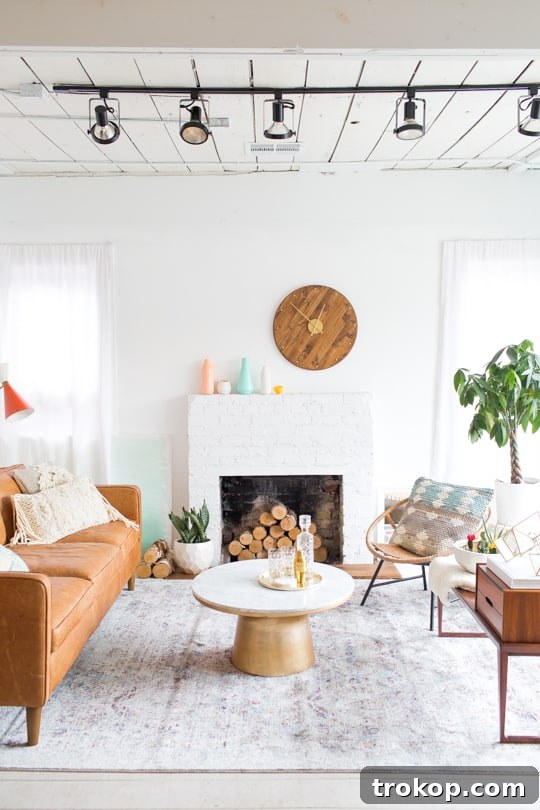
Track and strip lighting are dynamic and adaptable solutions for rooms with 20-foot ceilings, offering focused illumination on specific areas, architectural features, or artwork that might otherwise be overlooked in such a grand space.
- Track Lighting: This system consists of multiple light fixtures mounted on a continuous track, allowing individual lights to be repositioned and aimed along the track. For high ceilings, track lighting is incredibly useful for highlighting tall walls, large-scale artwork, or unique architectural details like exposed beams or trusses. The ability to adjust the direct light makes it versatile for changing decor or needs, ensuring that key elements in your high-ceiling room are always perfectly illuminated.
- Strip Lighting (or Linear Lighting): Comprising a long series of light fixtures often mounted on a flexible backing, strip lighting offers continuous, even illumination. While commonly used under cabinets or along shelving, it can be creatively employed in high-ceiling environments to highlight recessed architectural features, trace the lines of a coffered ceiling, or provide a subtle glow along the perimeter of the room. Its unobtrusive nature allows it to provide significant ambient or accent lighting without drawing attention away from the grand scale of the space.
8 — Decorate with lamps and accent lighting.
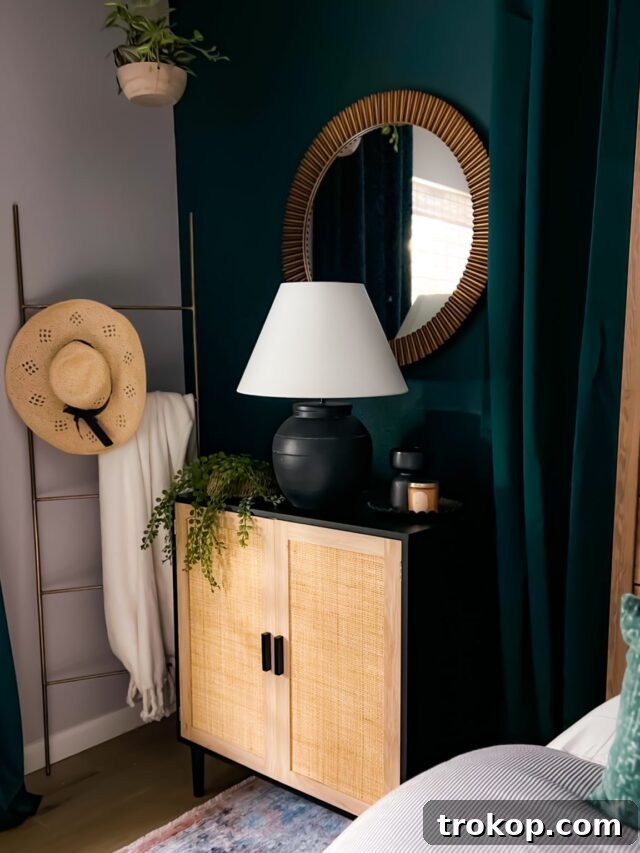
In addition to overhead and wall-mounted fixtures, floor and table lamps play a vital role in perfecting the lighting scheme for rooms with 20-foot ceilings, primarily serving as task and accent lighting. Task lighting is essential for providing focused illumination for specific activities like reading, working, or cooking, ensuring comfort and functionality at human level.
The lowest layer of light, primarily provided by lamps, can have a profound impact on high-ceiling spaces when designed to direct light upwards. This technique creates soft shadows on the vast walls and ceiling, making the room feel cozier and more defined. When choosing lamps, opt for drum-shaped shades rather than sharply tapered ones. Drum shades disperse light more evenly both downwards and upwards, contributing to a balanced illumination throughout the vertical expanse.
Furthermore, selecting translucent or less opaque lampshades is an excellent way to allow more light to emanate at the same height, enhancing the overall brightness and creating a softer glow. Varying your decor by incorporating a mix of taller standing floor lamps and smaller table lamps on elevated surfaces (like tall consoles) adds visual interest and layers the light at different heights, preventing the room from feeling top-heavy or under-lit at eye level. Dimmers on all lamps provide ultimate flexibility, allowing you to fine-tune the ambiance for any occasion.
DIY Lighting Ideas
Feeling inspired to add a personal touch to your high-ceiling lighting? Here are some creative DIY lighting projects that can add unique charm and character to your home:
- Cardboard Pendant Lights Chandelier
- Basket Pendant Light
- Metallic Pendant Sconce
- Vintage Birdcage Lamp
How to Paint a Porch for an Easy Home Upgrade
Looking for a quick makeover to your exterior? We’re sharing…
Continue ReadingHow to Paint a Porch for an Easy Home Upgrade
We’re Moving!
That’s right, we’re moving! I know, I know. A ton…
Continue ReadingWe’re Moving!
Our Revamped, Open Concept Living Room & Dining Room Design
Explore a harmonious blend of style and functionality as we…
Continue ReadingOur Revamped, Open Concept Living Room & Dining Room Design
Lakeside Modern Living Room Before & After
This bright white lakeside modern living room design is the…
Continue ReadingLakeside Modern Living Room Before & After