
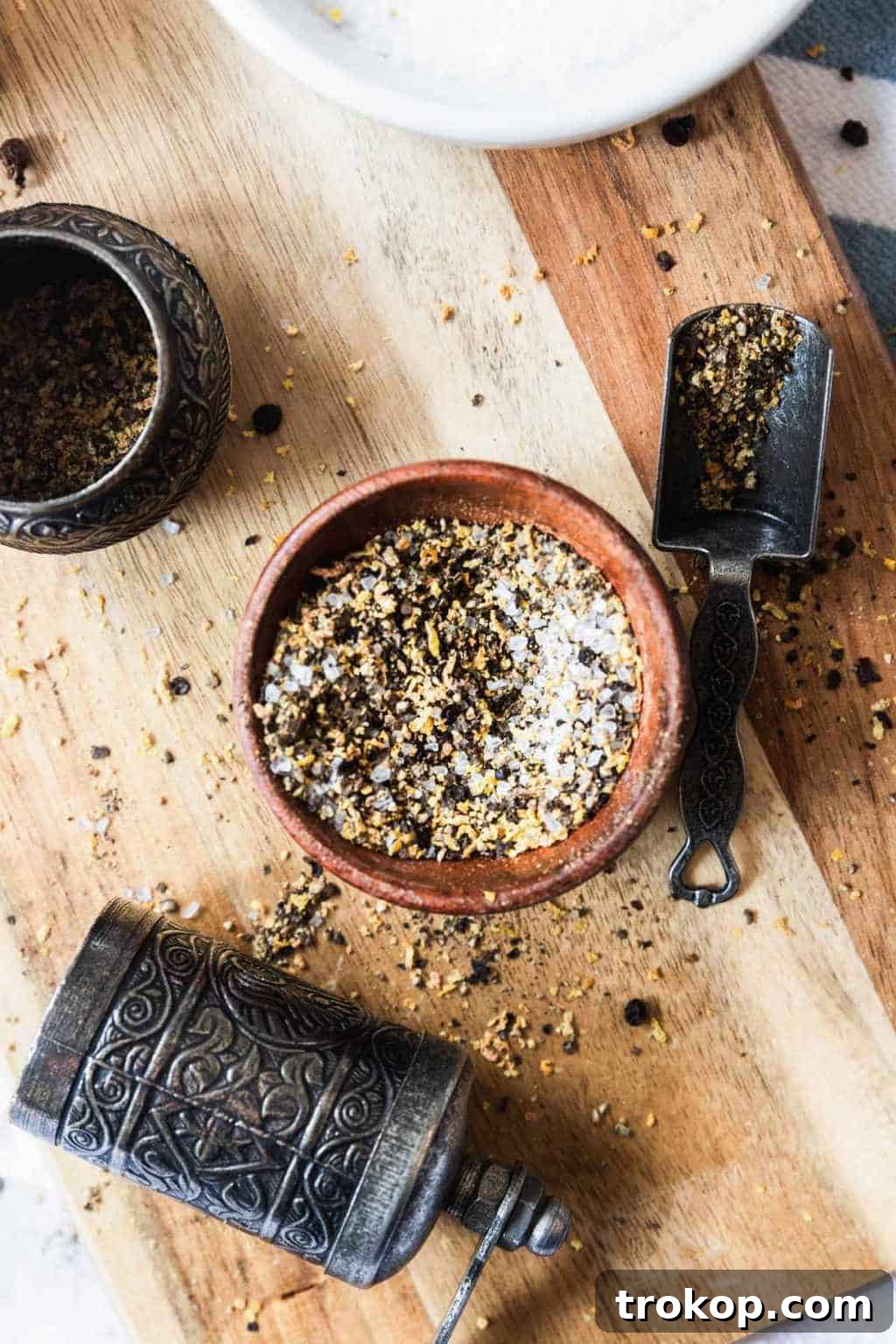
Homemade Lemon Pepper Seasoning: Elevate Your Dishes with Fresh Flavor
Discover the joy of creating your own vibrant and aromatic lemon pepper seasoning right in your kitchen. This homemade version is a far cry from the store-bought variety, offering a burst of fresh citrus and peppery spice that will transform your favorite recipes. Forget bland, mass-produced seasonings – with just a few simple ingredients and minimal effort, you can create a lemon pepper blend that’s perfectly tailored to your taste.
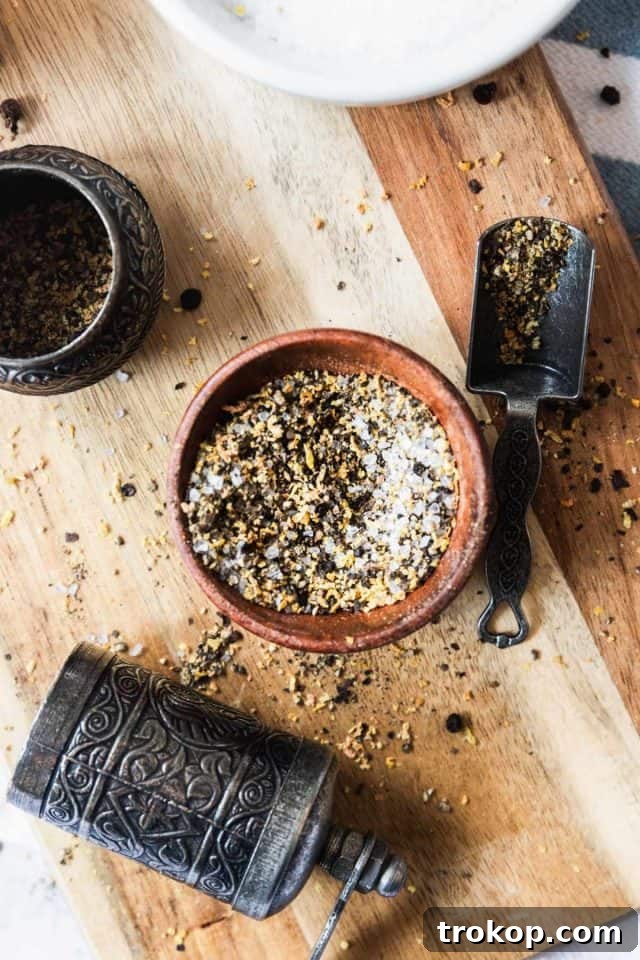
Lemon pepper seasoning is incredibly versatile and can be used to enhance a wide range of dishes. Whether you’re grilling chicken, baking fish, roasting vegetables, or simply looking to add a flavorful touch to your favorite snacks, this homemade blend will become your go-to spice. It’s also a fantastic way to use up any extra lemons you have on hand, preventing them from going to waste.
Making your own lemon pepper seasoning allows you to control the ingredients and adjust the flavor profile to your liking. You can choose the type of peppercorns you prefer, adjust the ratio of lemon to pepper, and even add other spices to create a unique blend. Plus, you’ll avoid any unwanted additives or preservatives that are often found in store-bought seasonings.
This recipe is incredibly simple and requires only a few basic steps. The key is to dry the lemon zest and peppercorns properly to ensure a long shelf life and prevent clumping. While a dehydrator can be used for this purpose, a conventional oven works just as well. Once the ingredients are dried, simply grind them together and store in an airtight container. It’s that easy!
Why Make Your Own Lemon Pepper Seasoning?
Here are just a few reasons why you should consider making your own lemon pepper seasoning:
- Superior Flavor: Homemade lemon pepper seasoning boasts a fresher, more vibrant flavor than store-bought versions.
- Customizable: Tailor the blend to your exact preferences by adjusting the ratio of lemon to pepper and adding other spices.
- No Additives: Avoid unwanted additives, preservatives, and artificial flavors.
- Cost-Effective: Making your own seasoning can be more economical than buying pre-made blends.
- Versatile: Use it on everything from chicken and fish to vegetables and snacks.
- Reduces Waste: A great way to use up extra lemons and prevent them from going to waste.
Essential Ingredients for the Best Lemon Pepper Seasoning
To create a truly exceptional lemon pepper seasoning, you’ll need just a few high-quality ingredients:
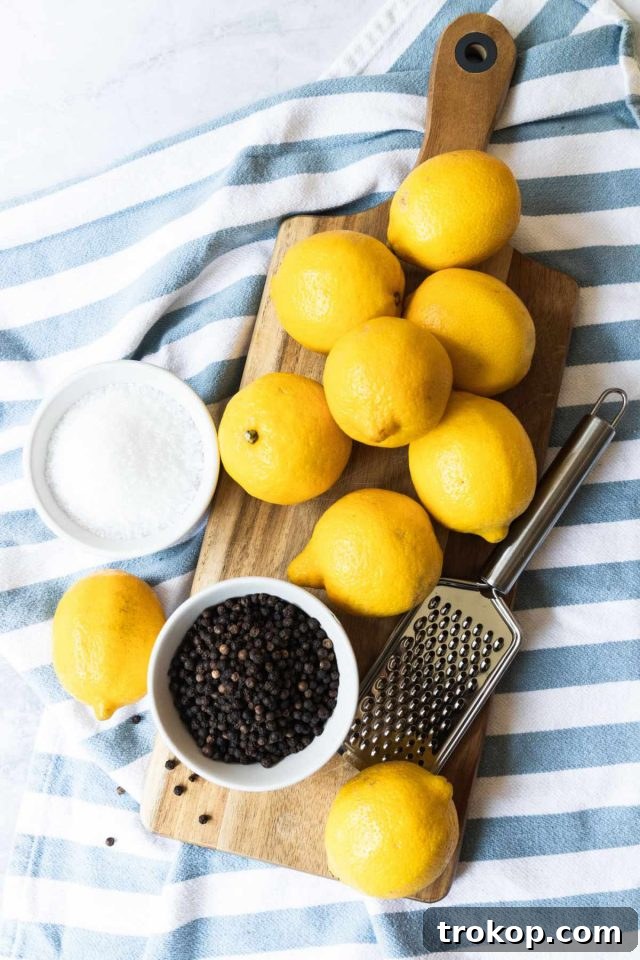
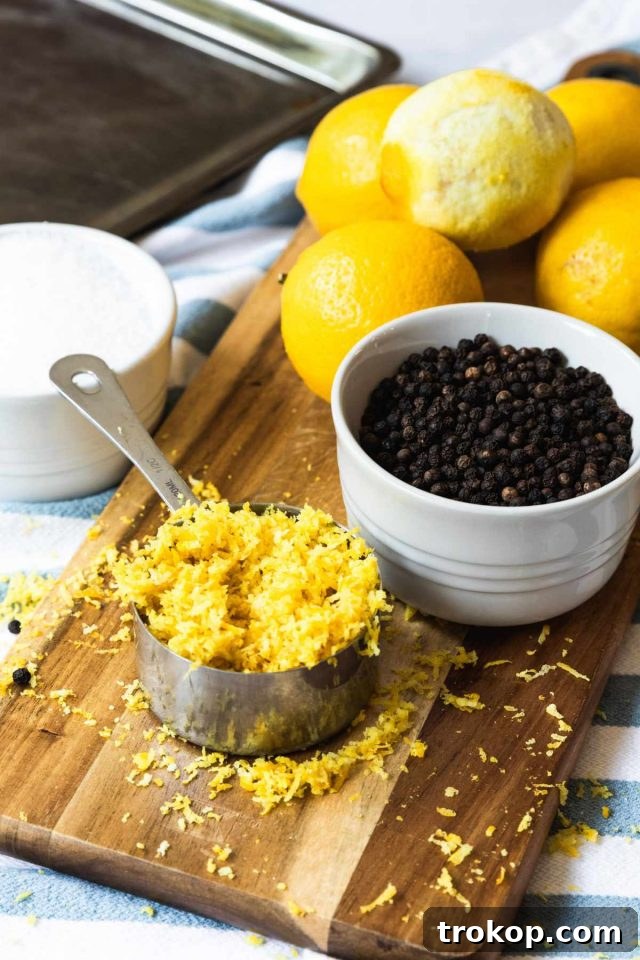
- Fresh Lemons: The star of the show! You’ll need 5-7 lemons, depending on their size, to yield about 1/2 cup of zest. Choose lemons that are firm, heavy for their size, and have a bright yellow color. Opt for organic lemons if possible, as you’ll be using the zest.
- Whole Black Peppercorns: Whole peppercorns provide a more robust and complex flavor than pre-ground pepper. Black peppercorns are the most common choice, but you can experiment with other varieties like white, green, or pink peppercorns for a unique twist.
- Sea Salt (Optional): A pinch of sea salt enhances the flavors of the lemon and pepper. Use coarse sea salt for the best texture and flavor. If you are salt-sensitive, omit the salt altogether – the seasoning will still be delicious!
Step-by-Step Guide to Making Lemon Pepper Seasoning at Home
Follow these simple steps to create your own homemade lemon pepper seasoning:
- Wash the Lemons: Thoroughly wash 5 large or 7 small lemons under cool water to remove any dirt or debris. Pat them dry with a clean towel.
- Zest the Lemons: Using a microplane or small-holed grater, carefully zest the outer yellow layer of the lemons, avoiding the white pith underneath. The pith can be bitter, so try to zest only the colored part of the peel. Continue zesting until you have approximately 1/2 cup of grated lemon zest.
- Preheat the Oven: Preheat your oven to its lowest temperature setting, typically between 180°F (82°C) and 200°F (93°C). If your oven doesn’t go that low, you can prop the door open slightly to help regulate the temperature.
- Prepare the Baking Sheet: Spread the grated lemon zest evenly on an edged baking sheet. Add 1/3 cup of whole black peppercorns to the baking sheet, scattering them amongst the lemon zest.
- Dry the Zest and Peppercorns: Place the baking sheet in the preheated oven and allow the spices to dry for 30-45 minutes. Check them every 10-15 minutes, turning the baking sheet to ensure even drying. Use a spatula to stir and re-spread the lemon zest, preventing it from clumping together. The goal is to remove all moisture from the zest and peppercorns, making them brittle and easy to grind.
- Check for Dryness: Once the lemon zest is completely dry, it will appear slightly darker and have shrunk in size. The peppercorns should also be dry and slightly fragrant.
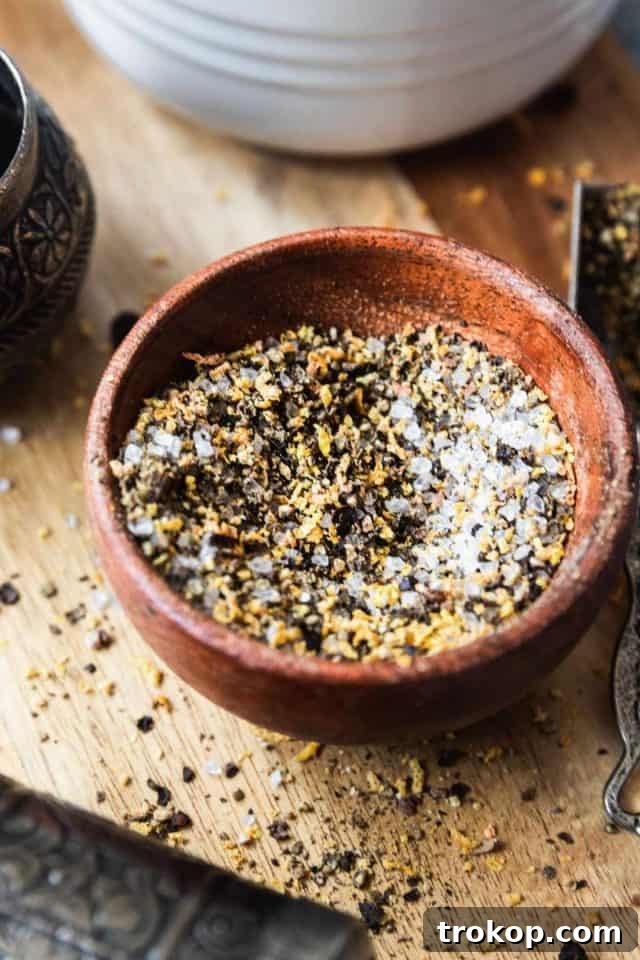
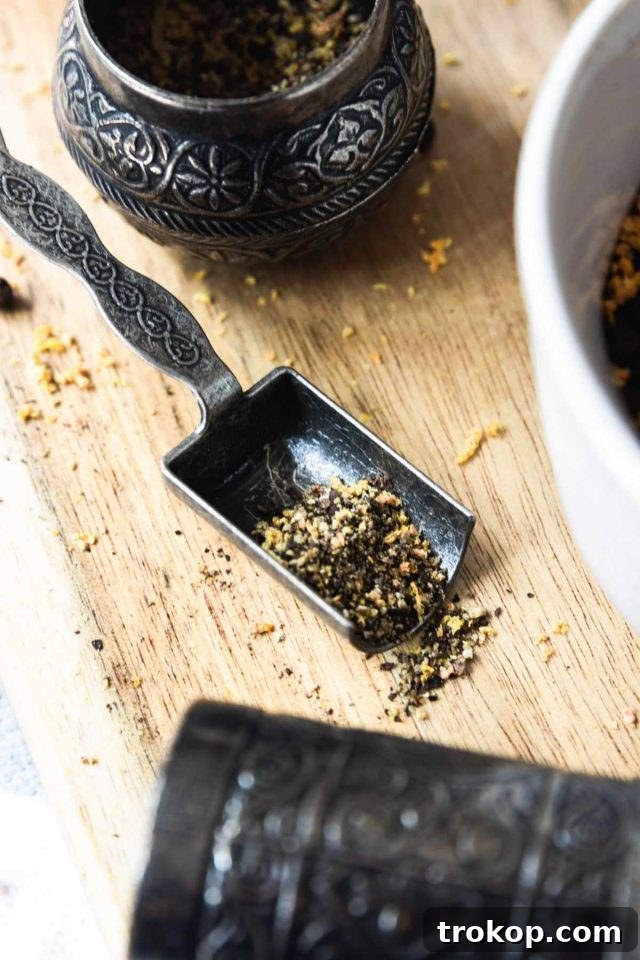
- Grind the Seasoning: Transfer the dried lemon zest and peppercorns to a spice grinder. Grind them until they reach a coarse consistency, similar to rough sand. Avoid grinding them too finely, as this can result in a less flavorful seasoning.
- Add Salt (Optional): If desired, mix in 1/4 to 1/3 cup of large flake sea salt to the ground lemon zest and peppercorns. Adjust the amount of salt to your preference.
- Store the Seasoning: Store the finished lemon pepper seasoning in an airtight container in a cool, dry place. It will stay fresh for several months.
Tips and Tricks for Perfect Lemon Pepper Seasoning
Here are a few extra tips to ensure your homemade lemon pepper seasoning is the best it can be:
- Use a Microplane: A microplane is the best tool for zesting lemons, as it creates fine, delicate zest without grating the bitter white pith.
- Dry Completely: Make sure the lemon zest is completely dry before grinding. Any remaining moisture can cause the seasoning to clump and spoil.
- Avoid Over-Grinding: Grind the seasoning to a coarse texture for the best flavor and visual appeal. Over-grinding can result in a powdery seasoning that lacks depth.
- Store Properly: Store the seasoning in an airtight container in a cool, dry place away from direct sunlight and heat. This will help preserve its flavor and prevent it from clumping.
- Experiment with Flavors: Don’t be afraid to experiment with other spices and herbs to create your own unique lemon pepper blend. Try adding a pinch of garlic powder, onion powder, dried thyme, or rosemary.
- Toast Peppercorns Toasting peppercorns lightly before grinding will bring out more of the aroma. Be careful not to burn the peppercorns.
Creative Ways to Use Your Homemade Lemon Pepper Seasoning
Now that you’ve made your own delicious lemon pepper seasoning, it’s time to put it to use! Here are just a few ideas:
- Chicken and Fish: Sprinkle lemon pepper seasoning on chicken breasts or fish fillets before grilling, baking, or pan-frying.
- Roasted Vegetables: Toss vegetables like broccoli, potatoes, carrots, and asparagus with olive oil and lemon pepper seasoning before roasting.
- Salads: Add a pinch of lemon pepper seasoning to your favorite salad dressings for a burst of flavor.
- Snacks: Sprinkle lemon pepper seasoning on popcorn, potato chips, or roasted nuts for a flavorful snack.
- Eggs: Season scrambled eggs, omelets, or frittatas with lemon pepper seasoning for a delicious breakfast or brunch.
- Dips and Sauces: Add a dash of lemon pepper seasoning to dips like hummus or guacamole, or to sauces like marinara or Alfredo.
- Avocado Toast: Sprinkle a little to avocado toast for a twist.
Lemon Pepper Wings: A Classic Application
Lemon pepper wings stand out as a beloved classic, showcasing the versatility of lemon pepper seasoning. These wings offer a delightful combination of zesty citrus and peppery spice, making them a popular choice for game days, parties, or casual snacking.
To make lemon pepper wings, toss cooked chicken wings with a generous amount of lemon pepper seasoning. The seasoning adheres to the wings, creating a flavorful crust that is both tangy and savory. The result is a finger-licking treat that is sure to impress.
Lemon pepper wings are commonly served as appetizers or snacks, and they can be prepared in various ways. They can be baked, fried, grilled, or air-fried, depending on preference. Regardless of the cooking method, the lemon pepper seasoning adds a unique and irresistible flavor that elevates the wings to a whole new level.
Lemon Pepper Seasoning Recipe
Homemade Lemon Pepper Seasoning
Ingredients
- ½ cup lemon zest (from 5-7 lemons)
- ⅓ cup whole black peppercorns
- ¼-⅓ cup large flake sea salt (optional)
Instructions
- Wash 5 large or 7 small lemons.
- Using a microplane or small-holed grater, zest the outer yellow layer of the lemons until you have a ½ cup of grated lemon peel.
- Preheat your oven to its lowest temperature. This is usually between 180° and 200° Fahrenheit.
- Spread the grated lemon zest on an edged baking sheet with ⅓ cup of whole black peppercorns.
- Place the baking sheet in the oven and allow the spices to dry for 30-45 minutes. Check it every 10-15 minutes and turn the baking sheet to avoid some areas drying much faster than others. You may also want to use a spatula to stir and re-spread the lemon zest to make sure it’s all drying evenly.
- Once all of the lemon zest has dried, it will look slightly darker and have shrunk quite a bit.
- Add the dehydrated lemon peel and peppercorns to a spice grinder and grind them up until they are a coarse mixture, like rough sand.
- If you have not already, lightly toast peppercorns in a pan before adding to the grinder.
- Mix in the salt, optional if you are using it.
Related Recipes to Level Up Your Culinary Game
Looking for more ways to impress friends and family? Elevate dishes with simple ingredients or try other meals below!
50 Best Halloween Food Ideas for a Spooky Party
31 Easy & Flavorful Summer Soups for Hot Days
33 Summer Crockpot Recipes to Beat the Heat
Irish Soda Bread Knots Recipe
With its bright citrusy flavor and peppery kick, homemade lemon pepper seasoning is a must-have in any kitchen. Easy to make and incredibly versatile, this spice blend will elevate your dishes and add a burst of flavor to your favorite meals. So, ditch the store-bought seasoning and try this recipe today – your taste buds will thank you!