
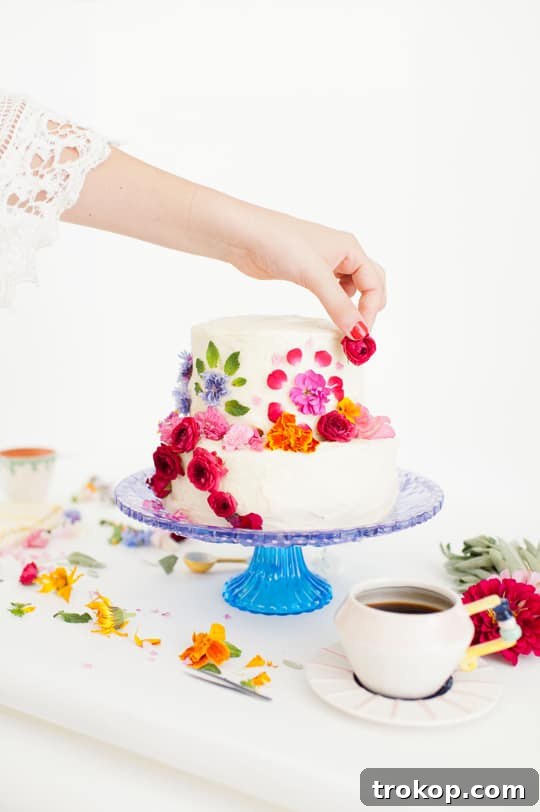
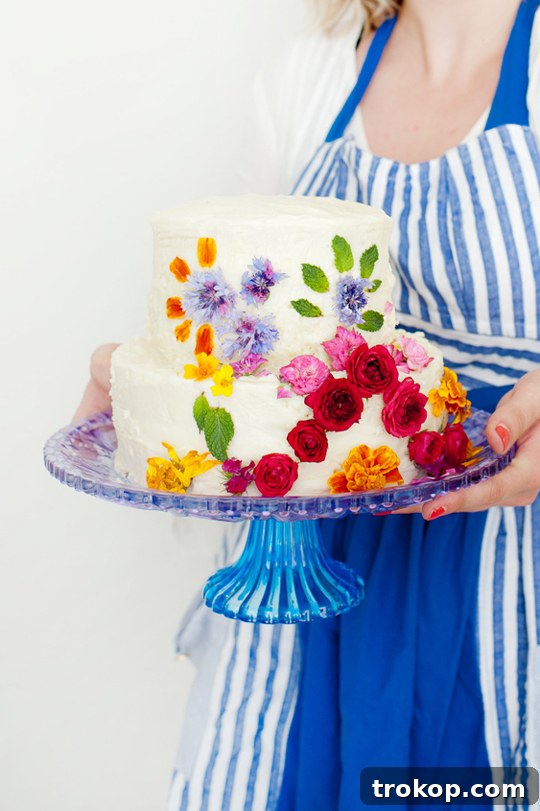
Transform a simple cake into a stunning centerpiece with the natural beauty of edible flowers. This comprehensive guide will walk you through everything you need to know about decorating cakes with these vibrant botanical elements, helping you create a breathtaking floral pattern perfect for any celebration. Whether you’re a seasoned baker or a beginner, edible flowers offer an effortless way to elevate your desserts to a work of art.
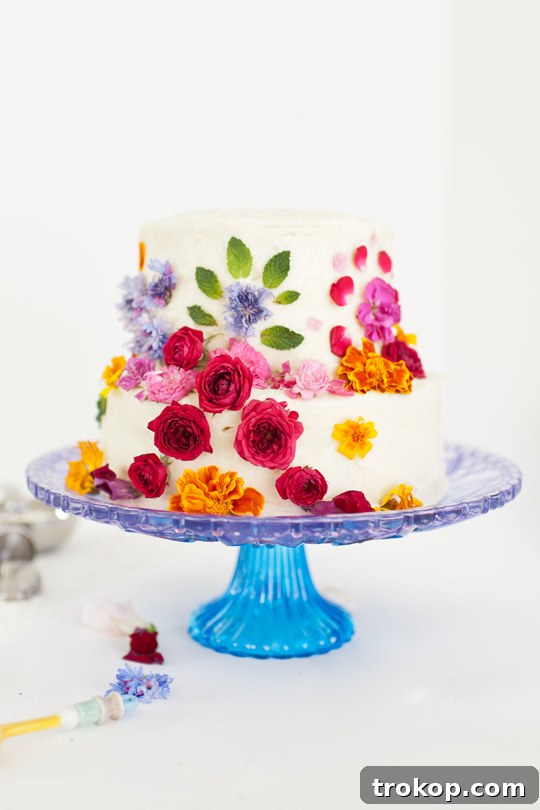
Are you looking to give your cake a show-stopping makeover that’s both elegant and refreshingly unique? Decorating with edible flowers is one of the easiest yet most impactful ways to transform an ordinary dessert into an extraordinary, garden-inspired masterpiece. Imagine a cake adorned with delicate petals and vibrant hues, bringing a touch of nature’s artistry to your table. This beginner-friendly cake decorating idea is as beautiful as it is achievable, making it ideal for a spring brunch, a bridal shower, a birthday celebration, or simply as a creative way to impress guests at your next gathering.
Edible flowers do more than just add a burst of color and texture; they infuse your cake with a sense of refined elegance without demanding advanced piping skills or an arsenal of fancy tools. Forget intricate frosting designs; with a handful of beautiful blooms, you can achieve a sophisticated and charming aesthetic. In this guide, I, Carly, will personally walk you through the entire process, from selecting safe, food-grade flowers to preparing them and artfully arranging them on your cake. We’ll also explore a few creative tips and tricks to ensure your floral design is truly one-of-a-kind. For those seeking even more botanical dessert inspiration, you’ll find helpful ideas from our favorite floral-themed projects, such as our unique sugar flower cake and our whimsical paper flower cake topper.
Whether you’re pouring your heart into a homemade cake from scratch or simply dressing up a convenient store-bought confection, this tutorial proves that a little flower power goes an incredibly long way. Get ready to unlock your inner floral artist and create a dessert that tastes as good as it looks.
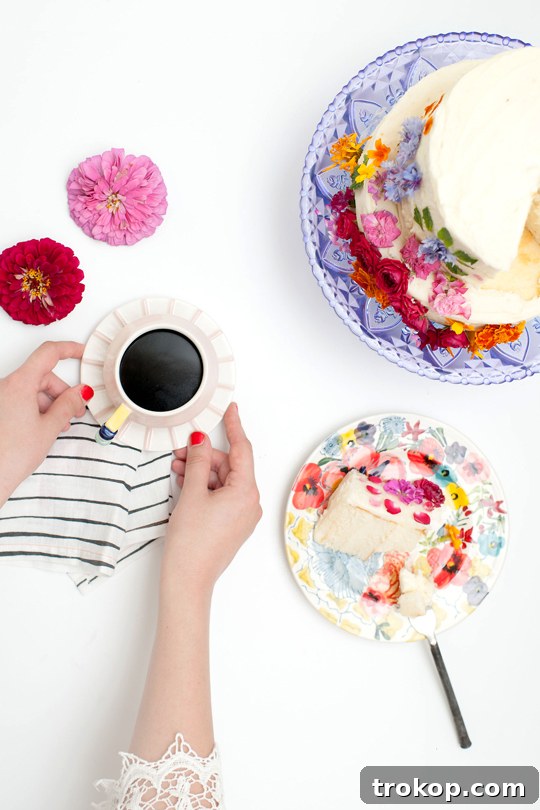

Table of Contents
Materials and Tools for Floral Cake Decorating
Before you begin transforming your cake into a floral masterpiece, gathering the right materials and tools is essential. While the process is wonderfully simple, having these items on hand will ensure a smooth and enjoyable decorating experience.
- Two-tiered layered cakes: For a truly impressive display, consider using a multi-tiered cake. We found that 6-inch and 8-inch round cakes create a lovely balance. To save time and effort without compromising quality, you can easily purchase undecorated, frosted cakes from your local bakery or grocery store. Opt for cakes with a smooth buttercream or cream cheese frosting, as these provide an excellent surface for flowers to adhere to.
- 2 packages of edible flowers and fresh herbs: The star of our show! Ensure these are specifically labeled as “edible” and sourced from reputable suppliers. You can often find a delightful variety at most specialty grocers, farmers’ markets, or through online retailers like Etsy and Amazon. Look for a mix of larger blooms and smaller, delicate blossoms to add visual interest. Don’t forget fresh herbs like mint, rosemary, or sage, which add beautiful greenery, contrasting texture, and a lovely aroma.
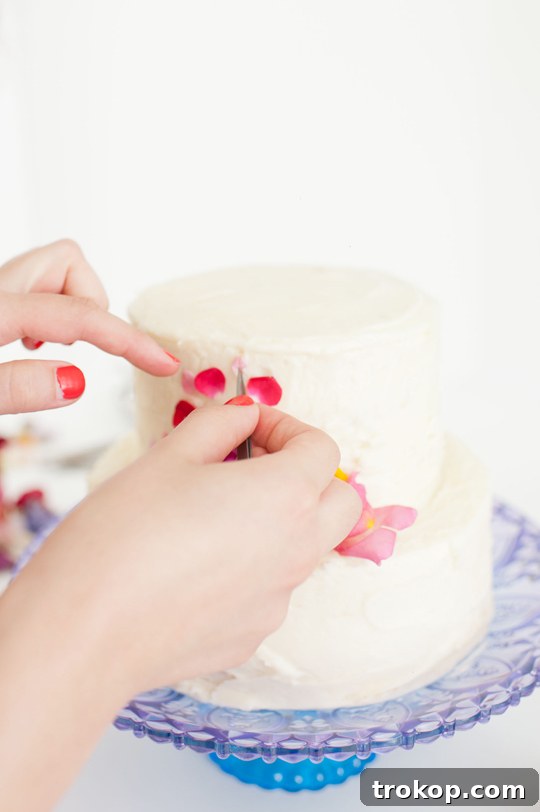
- Tweezers: This might seem like an unusual tool for baking, but tweezers are indispensable for precise placement. They allow you to gently pick up and position delicate petals and small leaves without damaging them or smudging your frosting, ensuring your design looks crisp and professional.
- Cake stand: A beautiful cake deserves an equally beautiful presentation. A sturdy cake stand not only elevates your creation but also makes the decorating process more comfortable. The one featured in this tutorial is from Anthropologie, but there are countless options available to match your style. You can also explore numerous DIY cake stand ideas for a personalized touch.
- (Optional) Small sharp scissors: Useful for carefully trimming stems or any unwanted parts of the flowers for a cleaner look.
- (Optional) Food-safe piping gel or edible glue: While flowers often adhere well to slightly chilled buttercream, a tiny dab of piping gel or edible glue can provide extra security, especially for flowers placed on vertical surfaces or in warmer environments.
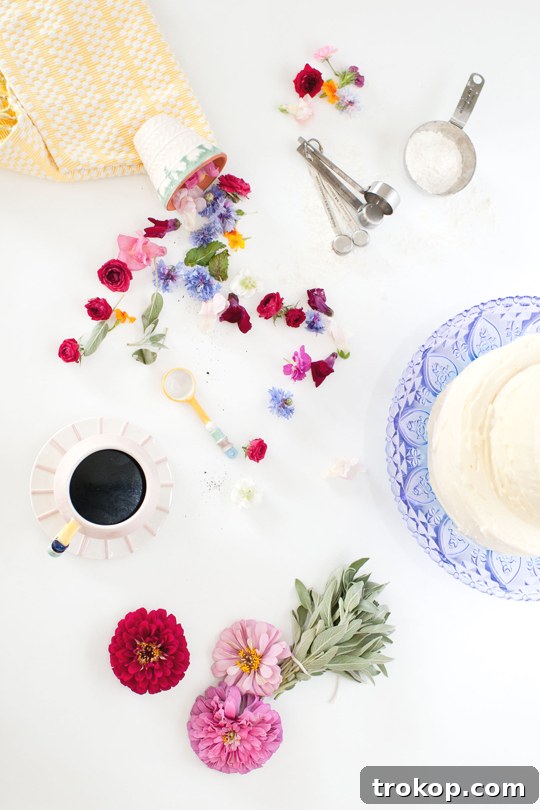
Choosing the Right Edible Flowers: Safety and Aesthetics
The world of edible flowers is vast and beautiful, but it’s crucial to approach selection with safety as your top priority. Not all flowers are safe to consume, and many ornamental varieties are treated with pesticides. Always source your edible flowers from reputable suppliers who specifically label their products as food-grade, or better yet, grow them organically yourself. When in doubt, it’s always best to err on the side of caution and avoid using a flower if you’re not 100% certain it’s safe to eat. Beyond cakes, there are lots of delicious edible flower recipes to incorporate into your meals, from salads to beverages. Here are some popular and safe edible flower varieties commonly used in culinary applications:
- Pansies: These cheerful flowers come in a wide range of vibrant colors and often have a delicate, slightly minty flavor. Their flat faces make them excellent for showcasing on a cake.
- Violas: Similar to pansies but typically smaller, violas offer charming, petite blooms in various shades. They add a delicate touch and are perfect for filling in gaps.
- Nasturtiums: Known for their peppery taste, nasturtiums come in bright yellows, oranges, and reds. Their unique shape can create a striking visual impact.
- Calendula (Pot Marigold): With their sunny orange and yellow petals, calendula flowers have a slightly tangy or spicy flavor. The petals can be scattered or used whole.
- Borage: These beautiful blue, star-shaped flowers have a mild cucumber-like flavor. They are delicate and add a refreshing pop of color.
- Chamomile: Often associated with tea, chamomile flowers are small, daisy-like, and have a sweet, apple-like aroma and taste. They bring a rustic, natural charm.
- Roses: While beautiful, ensure you use organic, unsprayed roses. Their petals can be used whole or pulled apart for a romantic, luxurious feel. The flavor is delicate and floral.
- Lavender: Fragrant and beautiful, lavender adds a unique taste. Use sparingly due to its strong flavor, but its purple hue is stunning.
- Dianthus (Pinks): These often have a spicy, clove-like scent and flavor. Available in shades of pink, red, and white, they offer fringed petals that add texture.
- Cornflowers (Bachelor’s Buttons): Their striking blue color is rare in nature, making them a captivating choice. They have a slightly sweet to spicy flavor.
Explore Shapes and Sizes for Dynamic Designs
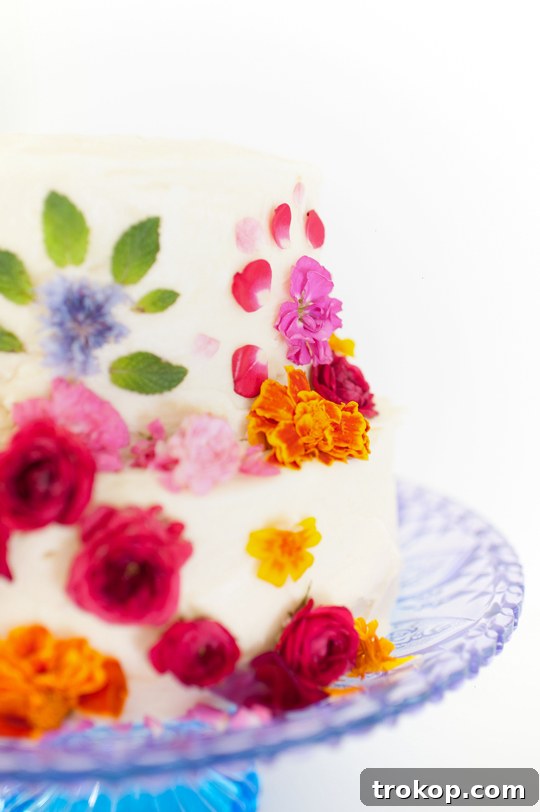
To create a truly captivating and dynamic floral arrangement on your cake, don’t be afraid to mix and match. Combine small, delicate blooms like violas, borage, or chamomile for intricate detailing and texture, with larger, more impactful statement flowers such as pansies, nasturtiums, or rose petals. This interplay of sizes adds depth and visual interest, preventing your design from looking flat. Think of your cake as a canvas, where different flower sizes contribute to a rich, layered composition.
Curating Your Color Palette for Cohesive Beauty
The choice of color palette will significantly influence the mood and theme of your cake. To maintain a cohesive and visually striking design, consider sticking to a few complementary shades rather than a chaotic mix. Pastels, for instance, are perfect for evoking the fresh, gentle feel of spring brunches or elegant baby showers. Bold, vibrant tones like those found in nasturtiums or deep purple pansies can create a lively and celebratory atmosphere for summer parties. Soft neutrals and whites, perhaps with subtle hints of greenery, are exquisitely suited for weddings or sophisticated engagements. Consider the occasion, your party’s decor, and your personal aesthetic when selecting your blooms to ensure harmony.
Step-by-Step: Decorating Your Cake with Edible Flowers
Now that you have your beautiful edible flowers and all your tools ready, it’s time to bring your floral vision to life. Follow these steps for a seamless and enjoyable decorating process:
1 — Prepare your cake: First, ensure your cake is fully frosted and, ideally, chilled. A slightly firm frosting (like buttercream or cream cheese frosting) provides the best base for flowers to adhere without sliding. If you’re creating a tiered cake, proper preparation is key for stability. Insert a few food-safe bamboo skewers or dowel rods into the center of the bottom cake tier, cutting them to be flush with the cake’s surface. These will provide crucial support for the tier above. Then, carefully stack the smaller tier on top, ensuring it is centered and stable. This prevents the top tier from sinking into the bottom one.
2 — Prepare your edible flowers: Gently wash your edible flowers under cool, running water to remove any dirt or tiny insects. Carefully pat them dry with a clean paper towel or let them air dry completely on a rack. Excess moisture can cause flowers to wilt faster or make them harder to stick to the cake. Trim any long or thick stems, leaving just enough to handle or to slightly embed into the frosting if desired. For some flowers, you might remove the calyx (the green leaf-like part at the base of the petals) if it’s too thick or unattractive.
3 — Plan your design: Before placing any flowers on the cake, it’s a good idea to visualize or even lightly sketch your pattern. Decide whether you want a scattered, organic look, a structured floral wreath around the base, a dramatic cascading effect down the side, or an abstract arrangement. For more intricate designs, you can even arrange your flowers on a piece of parchment paper the same size as your cake top to preview the layout. A quick but important tip: Larger flowers with thick stem bases can leave noticeable holes in the cake if you try to reposition them too many times. So, try to place these larger elements with intention and avoid moving them once they’re set if possible.
4 — Place the flowers: Using your tweezers, gently pick up each flower or petal. Carefully place it onto the frosted cake surface, pressing lightly to ensure it adheres. Start with your larger statement flowers to establish your main points, then fill in with smaller blooms and petals. Don’t be afraid to overlap slightly or tuck smaller flowers under larger ones to create depth and a natural, abundant look. For vertical surfaces, you might need to apply a tiny dab of food-safe piping gel or edible glue to the back of the flower before pressing it onto the cake, ensuring it stays put.
5 — Add fresh herbs for contrast and aroma: To truly elevate your floral design, incorporate fresh herbs like mint, rosemary, or sage. These elements add fantastic contrasting greenery, intriguing texture, and a wonderfully fresh aroma that complements the sweetness of the cake. We love adding small mint and sage leaves throughout our design to give the cake a vibrant, colorful finishing touch. Just a few strategically placed sprigs can really make the whole design pop, providing a sophisticated balance to the colorful blooms. The natural oils in the herbs also release a subtle fragrance that enhances the sensory experience of your beautiful dessert.
Expert Tips for Cake Decorating with Edible Flowers
To ensure your edible flower cake not only looks stunning but also remains fresh and safe for consumption, keep these expert tips in mind:
- Source safely: This is paramount. Only use flowers that are explicitly labeled as edible and have been grown without the use of pesticides or harmful chemicals. Avoid using flowers from florists, garden centers, or even many grocery stores unless they are specifically marked as food-grade. These are often treated with chemicals not safe for consumption. Consider growing your own organic edible flowers for complete peace of mind.
- Proper preparation is key: Before placing any flower on your cake, gently wash the flowers in cool water to remove any dirt, dust, or tiny insects. Use a colander or a gentle stream of water. Afterwards, thoroughly dry them on a clean paper towel or a salad spinner. Excess moisture can make them wilt quickly and prevent them from adhering properly to the frosting. Remove any inedible parts, such as stems, pistils, stamens, or any bitter green parts, to ensure safety and improve taste.
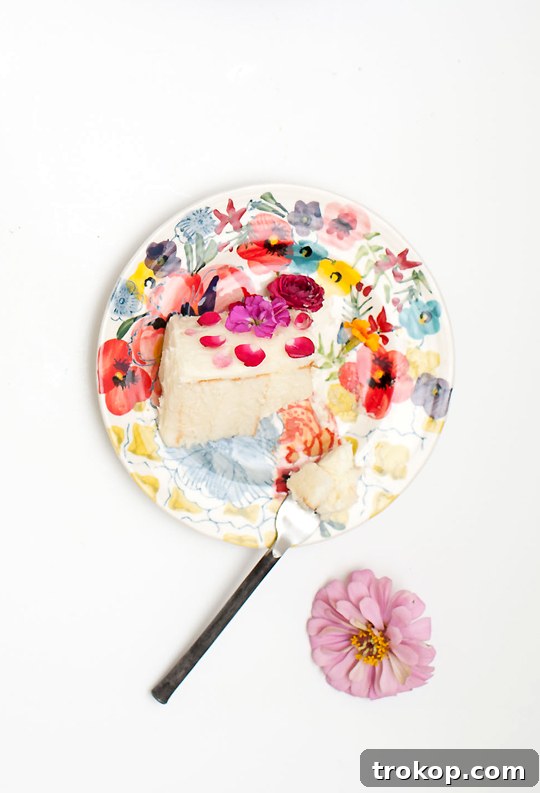
- Use flowers as accents, not the main course: While they are edible, the primary purpose of these flowers on a cake is aesthetic appeal rather than a significant flavor contribution. Place them strategically for visual impact, creating a beautiful focal point or delicate pattern, rather than overwhelming the cake’s flavor profile. Their subtle taste should complement, not overpower, the cake itself.
- Add flowers close to serving time: Edible flowers are delicate and can wilt, fade, or discolor if left on a cake for too long, especially if the cake is at room temperature. For the freshest and most vibrant appearance, decorate your cake a maximum of 2-3 hours before serving. If you must decorate in advance, keep the cake chilled in the refrigerator, loosely covered, and add the most delicate blooms just before presentation.
- Press or sugar the flowers for different looks: For unique textures and extended shelf life, consider alternative preparation methods. Pressed flowers add a delicate, vintage, and almost ethereal touch to a cake, offering a flat, artistic look. Sugared (candied) petals, created by brushing flowers with egg white and coating them in fine sugar, give a beautiful sparkle, a subtle crunch, and a prolonged lifespan, perfect for adding a touch of glamour.
- Use a food-safe glaze or piping gel for adherence: For flowers that are struggling to stick, especially on vertical sides of the cake, or for added shine and protection, a tiny dab of food-safe piping gel or edible glaze can be incredibly helpful. Apply it sparingly to the back of the flower with a clean paintbrush or the tip of your tweezers before pressing it onto the frosting. This acts as a gentle adhesive and can also give certain flowers a lovely sheen.
- Proper storage of unused flowers: If you have leftover edible flowers, you can prolong their freshness for future projects. Store them gently in an airtight container lined with a damp paper towel in the refrigerator. They typically last a few days this way, ready for your next culinary creation. Remember, decorate the cake shortly before serving to maintain the optimal freshness and appearance of the flowers.
- Consider the frosting type: Buttercream and cream cheese frostings are ideal as they provide a soft, slightly sticky surface for flowers to adhere to. Fondant can also work, but you might need more edible glue or a thin layer of piping gel to ensure the flowers stay in place.
- Embrace imperfection: Nature is rarely perfectly symmetrical. Allow for a degree of organic flow and natural arrangement. Sometimes the most beautiful designs emerge from a slightly ‘undone’ or asymmetrical look.
More Creative Ways to Spruce Up a Cake
While edible flowers offer a truly enchanting way to decorate, there are many other creative “cake hacks” to elevate your desserts. If you’re looking for more inspiration to personalize and beautify your baked goods, check out a few of our favorite ideas below:
- How to Make a Watercolor Cake: Learn techniques to create stunning, painterly effects with frosting.
- Cake Painting Tutorial: Discover how to transform your cake into a canvas using food-safe colors.
- Mini Brushstrokes Confetti Cake: An easy and fun way to add vibrant texture with simple brushstrokes.
- Homemade Edible Confetti: Make your own colorful and delicious confetti for a truly personalized sprinkle.
With these methods and the timeless elegance of edible flowers, your cakes are sure to become the highlight of any event.
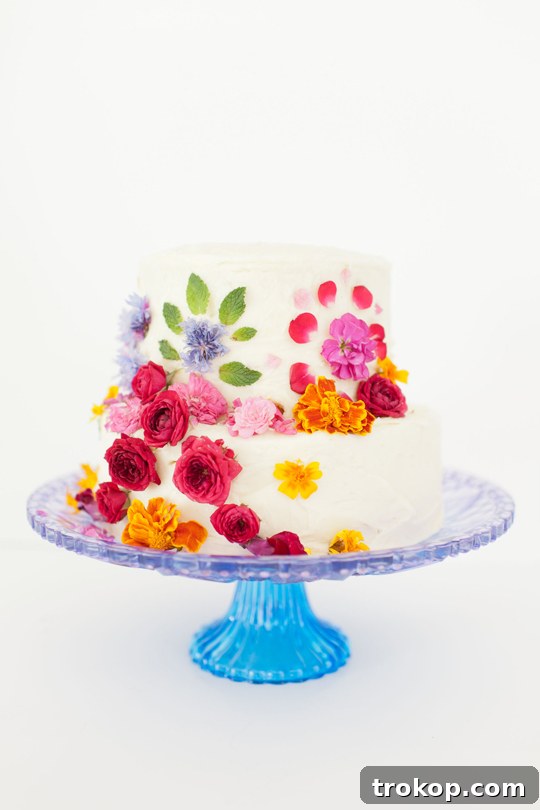
Embracing edible flowers for cake decorating opens up a world of natural beauty and effortless elegance. It’s a rewarding and relatively simple way to add a sophisticated, personalized touch to any dessert, turning it from a mere treat into a memorable center of attention. Whether you choose delicate pansies, vibrant nasturtiums, or fragrant herbs, each bloom tells a story and adds an unparalleled charm. So, gather your blossoms, prepare your cake, and let your creativity bloom. Happy decorating!