
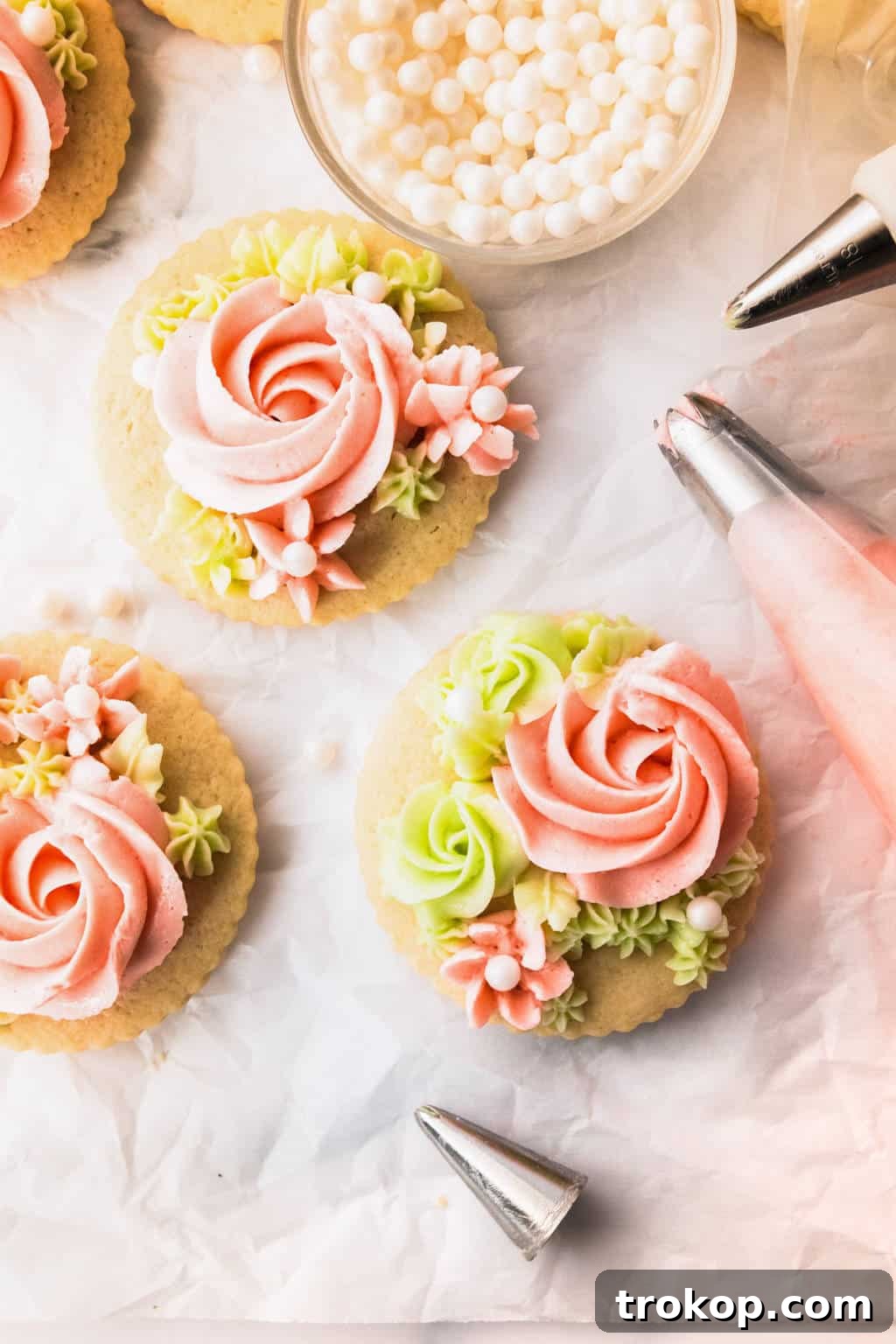
The Ultimate Guide to Silky Smooth Italian Meringue Buttercream Frosting
Step into the world of sophisticated baking with Italian Meringue Buttercream (IMBC), a luxurious frosting renowned for its light sweetness, incredible stability, and irresistibly silky smooth texture. Far from the overly sweet, sometimes grainy American buttercreams, IMBC offers a refined flavor profile that truly enhances your baked creations without overwhelming them.
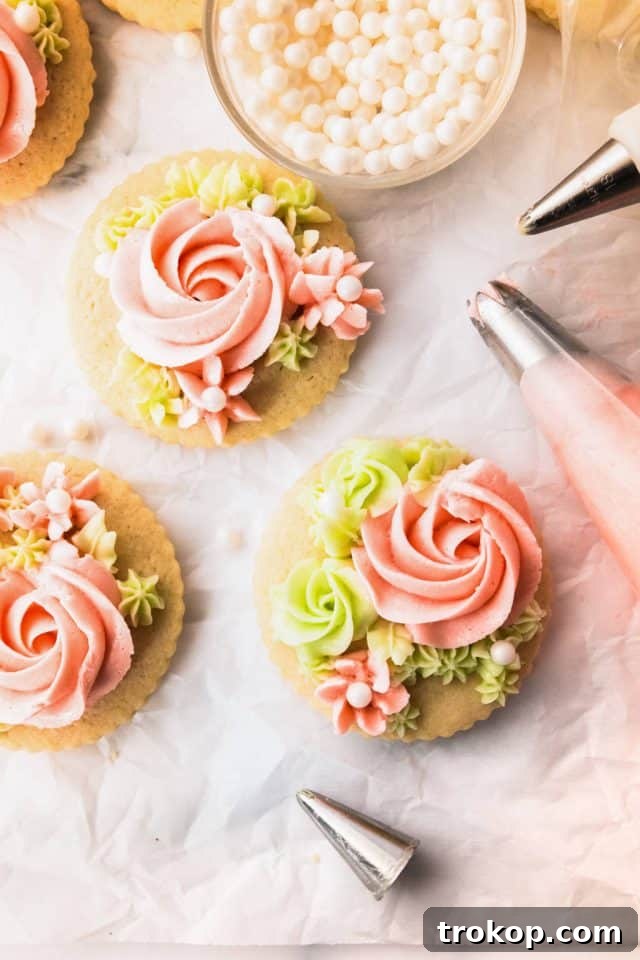
Are you typically a “cake person” because most frostings are just too sweet? You’re not alone! Many bakers, including myself (Rebecca), often find traditional icings detract from the delicate flavors of a cake. That’s precisely why Italian Meringue Buttercream has become a staple in our kitchen. It delivers a rich, buttery essence with just the right touch of sweetness, allowing the flavors of your cake or other desserts to shine through beautifully.
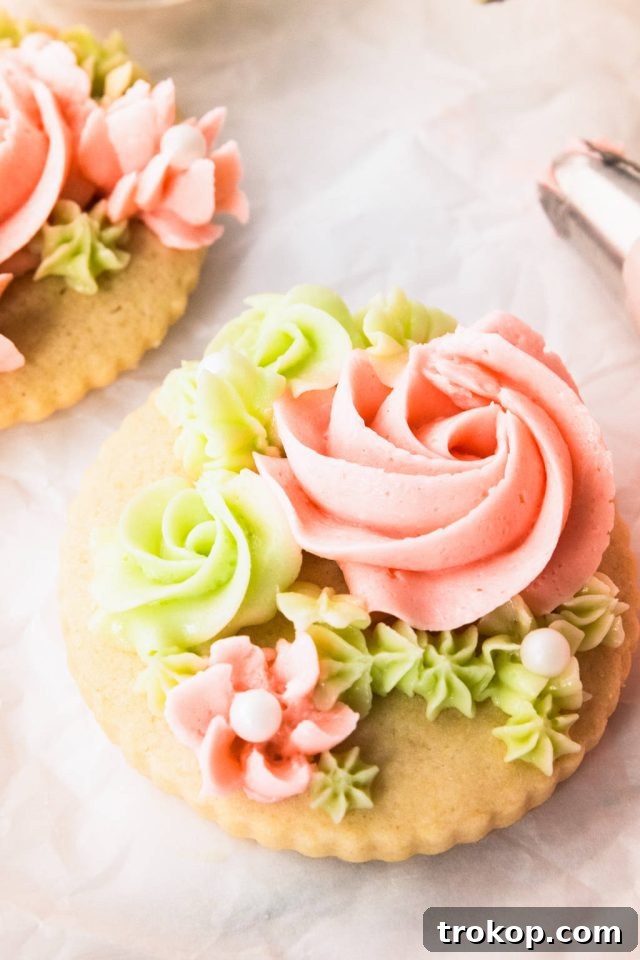
Beyond its exquisite taste, this meringue-based buttercream boasts a velvety smooth consistency that makes it a dream to work with. Whether you’re aiming for delicate piped flowers, sharp edges on a tiered cake, or a smooth, elegant coating for cookies and cupcakes, IMBC holds its shape remarkably well. It’s incredibly versatile and adapts beautifully to a myriad of flavor additions, making it the perfect canvas for your culinary creativity.
While the process might seem a bit more involved than other frostings, it’s surprisingly straightforward and incredibly rewarding. The core technique involves preparing a stable Italian meringue by carefully pouring hot sugar syrup into whipped egg whites, then gradually incorporating butter and flavorings to achieve that coveted light and fluffy texture. With a bit of attention and the right tools, you’ll soon master one of the best frostings for decorating any sweet treat you desire.
Prepare to elevate your baking game and impress everyone with this professional-grade, yet approachable, Italian Meringue Buttercream. Once you experience its superior texture and balanced sweetness, you might just become a “frosting person” after all!
Table of Contents
Why Italian Meringue Buttercream is the Best
Italian Meringue Buttercream stands out from other frosting types for several compelling reasons, making it a favorite among professional bakers and home enthusiasts alike:
- Less Sweet, More Flavor: Unlike American buttercream, which relies heavily on powdered sugar, IMBC uses cooked sugar syrup, resulting in a frosting that’s significantly less sweet. This allows the rich, creamy butter flavor and any added extracts to truly shine.
- Velvet Smooth Texture: The process of incorporating hot sugar syrup into whipped egg whites creates an incredibly fine, velvety texture. There’s no grittiness from undissolved sugar, just pure, melt-in-your-mouth smoothness.
- Superior Stability: IMBC is remarkably stable, even in warmer temperatures, making it ideal for elaborate cake decorating, outdoor events, or when you need your decorations to hold up over time. It’s less prone to melting or collapsing compared to other buttercreams.
- Excellent for Piping: Its firm yet pliable consistency makes it perfect for intricate piping work, creating beautiful flowers, borders, and detailed designs that maintain their shape.
- Rich and Luxurious Feel: The generous amount of butter gives IMBC a luxurious mouthfeel that is simply unmatched. It coats the palate beautifully without being heavy or greasy.
- Versatile Base: This buttercream serves as an excellent base for a wide array of flavorings, from fruit purees and chocolate to coffee and liqueurs, allowing for endless customization.
Ingredients Needed to Make Italian Meringue Buttercream Frosting
Gathering your ingredients and ensuring they are at the correct temperature is the first crucial step towards a perfect Italian meringue buttercream. Each component plays a vital role in achieving that desirable texture and flavor.
- Egg whites: Use large egg whites, preferably aged a day or two and brought to room temperature. Room temperature egg whites whip up with more volume and stability.
- White granulated sugar: Essential for both the meringue and the sugar syrup. Its fine granules dissolve easily.
- Water: Used to create the sugar syrup, ensuring it reaches the ideal consistency.
- Unsalted butter: High-quality unsalted butter is key for flavor and texture. It should be very soft, almost pliable, but not melted. Using unsalted butter gives you control over the overall saltiness of the frosting.
- Salt: Just a pinch balances the sweetness and enhances all the other flavors.
- Vanilla extract and/or other flavors and extracts of your choice: Vanilla is classic, but feel free to experiment with almond, lemon, coffee, or even liqueurs to complement your dessert.
- Gel food colors (optional): Gel colors are preferred over liquid colors as they won’t thin out your buttercream.
Equipment Needed for Perfect Buttercream
Having the right tools on hand will make the Italian meringue buttercream process smooth and successful. Precision is key, especially when dealing with sugar syrup.
- Small pan: For cooking the sugar syrup. A heavy-bottomed pan is ideal for even heat distribution.
- Stand mixer with a whisk attachment: A stand mixer is highly recommended for consistent whipping and to free up your hands while pouring hot syrup. The whisk attachment is crucial for creating light and airy meringue.
- Rubber spatula: Essential for scraping down the sides of the bowl and ensuring all ingredients are fully incorporated.
- Candy thermometer: This is perhaps the most critical piece of equipment. An accurate thermometer ensures your sugar syrup reaches the precise temperature (softball stage), which is vital for a stable meringue and safe consumption. We recommend an “all-in-one” thermometer that clips onto your pot and can be used for various tasks beyond candy making, such as sauces, jams, and even deep-frying (like homemade French fries).
How to Make Italian Buttercream: A Step-by-Step Guide
Follow these detailed steps to create flawless Italian Meringue Buttercream. Precision and patience are your best friends here!
- Preparation is Key: Begin by measuring out all your ingredients accurately and setting out all the necessary equipment. This mise en place ensures a smooth process once you start.
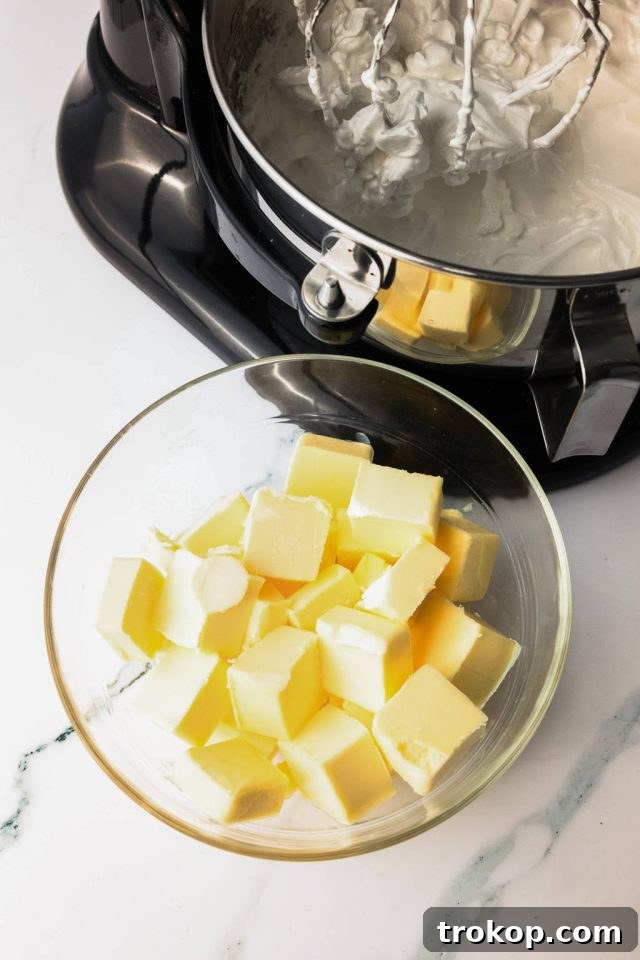
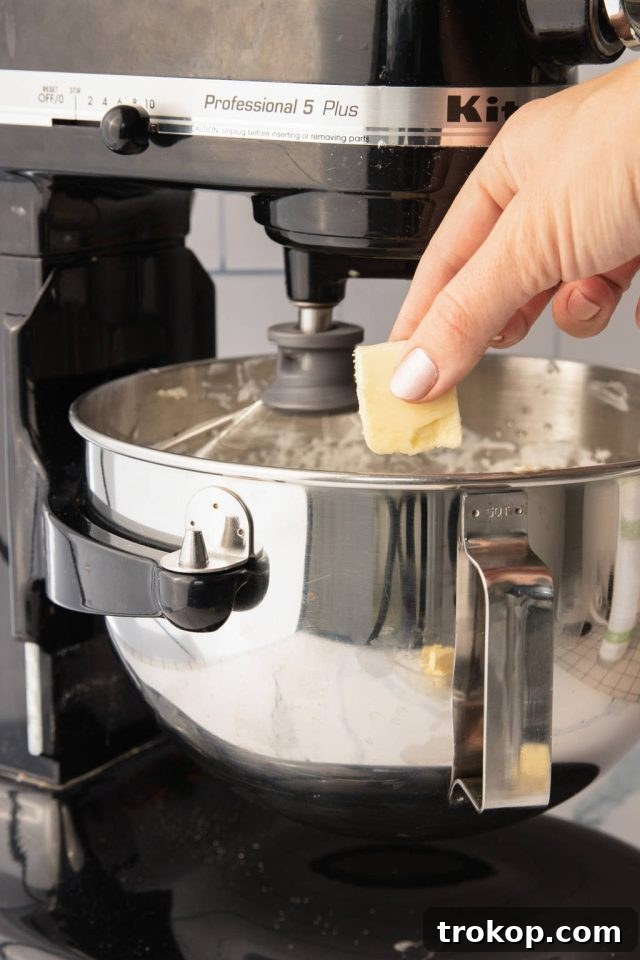
- Soften the Butter: Cut your unsalted butter into 1-2 tablespoon chunks. It should be very soft to the touch, but not at all melted. This allows it to incorporate smoothly into the meringue.
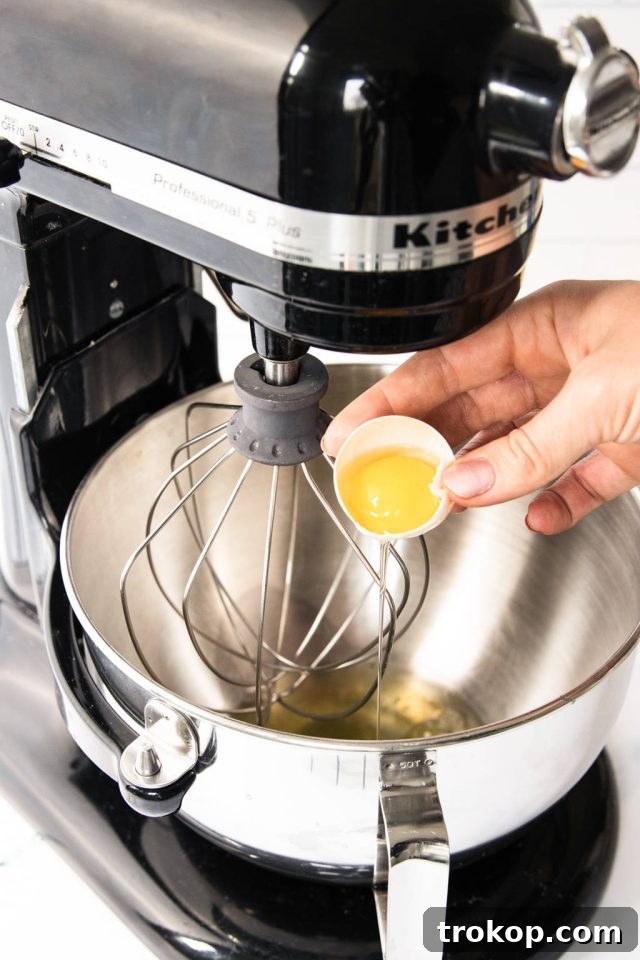
- Room Temperature Egg Whites: Place the egg whites in the clean mixing bowl of your stand mixer. Allow them to come to room temperature if they aren’t already. This helps them whip up faster and achieve greater volume.
- Whip Egg Whites to Soft Peaks: Using the whisk attachment, begin whipping the egg whites on medium speed. Once they start to become foamy, slowly and gradually add 1/4 cup of the white granulated sugar. Continue beating until the meringue reaches a soft-peak stage. The peaks should hold their shape but curl over slightly when the whisk is lifted.
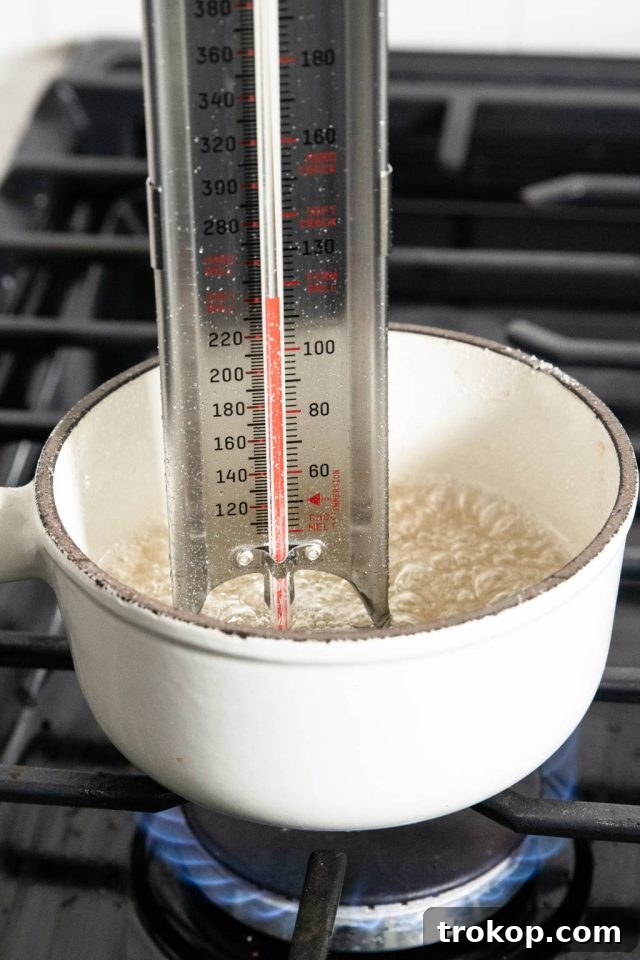
- Set Up Candy Thermometer: Attach the candy thermometer to the edge of your small pan. Adjust it so the temperature probe is submerged in the liquid but not touching the bottom or sides of the pan.
- Prepare Sugar Syrup: In the small pan, combine the remaining white granulated sugar and water. Cook over medium-high heat, stirring occasionally just until the sugar dissolves. Avoid over-stirring once it boils to prevent crystallization.
- Cook Sugar Syrup to Softball Stage: Continue cooking the sugar syrup without stirring until it reaches a temperature of 235°-240°F (113°-116°C). This is known as the softball stage. A candy thermometer is crucial for accuracy here.
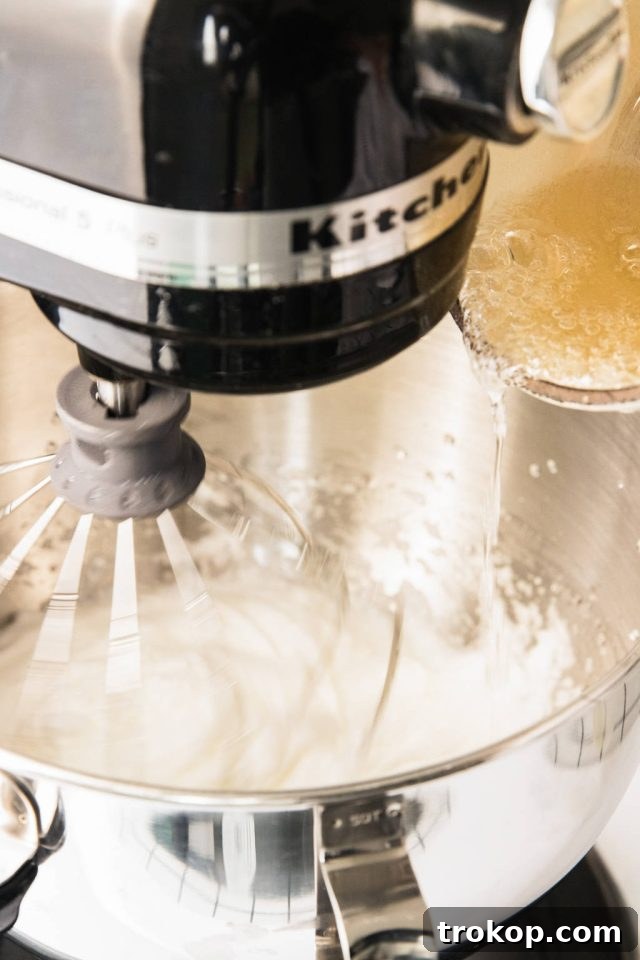
- Drizzle Hot Syrup into Meringue: With the stand mixer still running on medium speed, carefully and slowly drizzle the hot sugar syrup into the meringue in a steady, thin stream. Aim for the side of the bowl, allowing the syrup to incorporate without hitting the whisk directly, which could cause splatters. This process cooks the egg whites, making the meringue stable and safe.
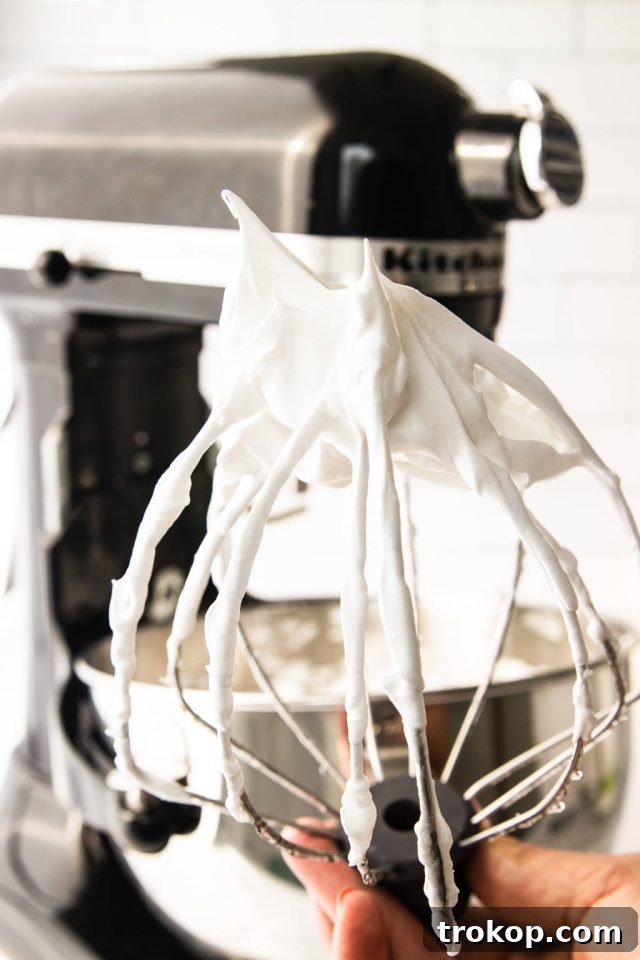
- Whip to Stiff Peaks: Increase the mixer speed to medium-high and continue whipping the egg whites until they reach a stiff-peak stage and the meringue bowl is cool to the touch. This means the peaks will stand straight up when the whisk is lifted. The meringue will be glossy, thick, and marshmallow-like. This cooling step is essential before adding butter.
- Add Butter and Flavor: Once the meringue is cool and at stiff peaks, switch to the paddle attachment (or continue with the whisk if you don’t have a paddle, though paddle is preferred for butter incorporation). While the mixer runs on medium-low speed, add the vanilla extract (or other liquid flavorings) and then gradually add the softened butter, one piece at a time. Allow each piece to incorporate for a few seconds before adding the next.
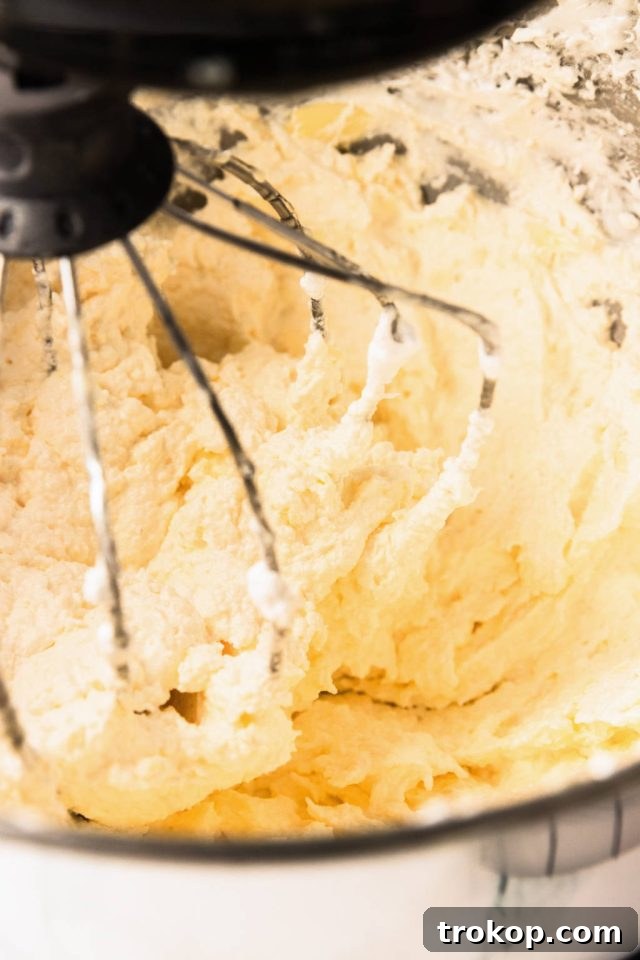
- Emulsify and Achieve Fluffy Frosting: The buttercream will likely look soupy, curdled, or “broken” after the initial butter additions. This is completely normal! Do not panic. Continue beating on medium-high speed. As you add the rest of the butter and the mixer continues to work, the mixture will miraculously come together, transforming into a light, smooth, and fluffy frosting. This process can take 5-10 minutes, so be patient. Scrape down the bowl occasionally with your rubber spatula to ensure even mixing.
Recipe Notes and Expert Tips
Achieving perfect Italian Meringue Buttercream every time comes down to a few key details and handy tips:
- Sparkling Clean Bowl: Always start with a meticulously clean mixing bowl and whisk. Any trace of fat or grease (even from your fingers) can prevent your egg whites from whipping properly, leading to a broken or unstable meringue. You can wipe your bowl with a little lemon juice or vinegar to ensure it’s grease-free.
- Room Temperature Egg Whites: Cold egg whites are sluggish and won’t incorporate as much air. Room temperature egg whites whip up faster and achieve greater volume and stability, which is crucial for a strong meringue.
- Adjusting Sweetness: If you prefer your frosting a touch sweeter, you can add an extra 1/4 cup of sugar to the sugar syrup mixture. However, IMBC is prized for its balanced, less-sweet profile.
- Careful Syrup Drizzle: When pouring the hot sugar syrup into the meringue, aim for the side of the mixing bowl, avoiding pouring directly onto the whisk. This prevents splatters and ensures the syrup is incorporated smoothly without cooking the meringue unevenly.
- Flavor Last: If you plan to add any extra flavorings beyond vanilla (e.g., fruit purees, chocolate, coffee extract), incorporate them at the very end, once all the butter is fully emulsified and the buttercream is smooth and fluffy.
- Refrigeration for “Soupy” Buttercream: If your buttercream remains soupy or refuses to come together after adding all the butter and beating for a long time, it’s likely too warm. Place the mixing bowl (without the whisk) in the refrigerator for 10-15 minutes to cool down slightly, then return it to the mixer and whip again until it emulsifies and becomes fluffy.
- Reviving Stored Buttercream: Italian meringue buttercream can lose some of its fluffy consistency when stored, especially in the refrigerator. To revive it, simply let it come to room temperature and then beat it in your stand mixer for a few minutes until it regains its smooth, light texture.
Understanding Meringue Stages: Soft vs. Stiff Peaks
Knowing what your meringue should look like at different stages is crucial for a successful Italian Meringue Buttercream. Here’s a breakdown:
- Soft Peak Stage (before sugar syrup): When you first whip your egg whites and gradually add a small amount of sugar, you’re aiming for soft peaks. To check, pull the whisk out of the bowl. The tip of the meringue on the whisk should hold its shape momentarily but then gently curl or bend over, resembling a soft serve ice cream cone.
- Stiff Peak Stage (after sugar syrup and cooling): After carefully drizzling in the hot sugar syrup and continuing to whip, the meringue will transform. It will become glossy, thick, and marshmallow-like. When you pull the whisk out, the meringue on the end should stand straight up, rigid and firm, without any flopping or bending. This indicates a stable meringue that is ready for the butter. Additionally, the mixing bowl should be cool to the touch, ensuring the butter won’t melt instantly when added.
Common Troubleshooting for Italian Meringue Buttercream
Even experienced bakers encounter issues. Here’s how to tackle common IMBC problems:
- Soupy or Liquid Buttercream: This is the most common issue and almost always means your meringue (or the environment) is too warm when the butter is added. Don’t throw it out! Pop the bowl into the refrigerator for 10-20 minutes to chill. Then, return it to the mixer and beat on medium-high speed. It should eventually come together and become fluffy.
- Curdled or Lumpy Buttercream: If your buttercream looks like cottage cheese or curdled milk, it’s often due to the butter being too cold or too warm relative to the meringue, or simply not enough beating. Keep beating! Scrape down the sides of the bowl. If it’s too cold, gently warm a portion of the buttercream in a microwave-safe bowl for 10-15 seconds (don’t melt it!), then return it to the main bowl and beat again. If it’s too warm, chill it as described above. Patience is key; it will eventually emulsify.
- Greasy Buttercream: This can happen if the butter is too warm and melts, or if it’s over-beaten. If it’s too warm, chill briefly and beat again. If it’s truly over-beaten, sometimes chilling and re-whipping can help, but it might lose some of its structure.
- Not Fluffy Enough: Ensure your meringue was whipped to stiff peaks and the bowl was cool before adding butter. Also, ensure the butter was adequately soft. If it’s still dense, beat for an additional few minutes on medium-high.
Do I Need to Refrigerate Italian Buttercream?
One of the fantastic advantages of Italian Meringue Buttercream is its stability. Because the egg whites are cooked during the process of adding the hot sugar syrup, the resulting meringue is pasteurized and safe. This means IMBC can be left out at cool room temperature (below 75°F / 24°C) for up to 2-3 days without refrigeration. If you live in a very warm climate or are concerned about food safety, especially for events, you can certainly refrigerate it. For extended storage (up to a week), refrigeration is recommended. Always ensure it’s stored in an airtight container.
Does Italian Buttercream Crust?
Unlike many traditional American buttercreams that develop a slight crust or dry out on the outside when exposed to air, Italian Meringue Buttercream does not crust. This non-crusting quality is a huge benefit for decorators, as it allows for longer working times and means you don’t have to worry about your beautifully decorated cakes or cookies drying out if they’re not immediately covered. It maintains its soft, supple texture, making it perfect for smooth finishes and intricate designs that stay pliable.
Coloring Italian Meringue Buttercream Frosting
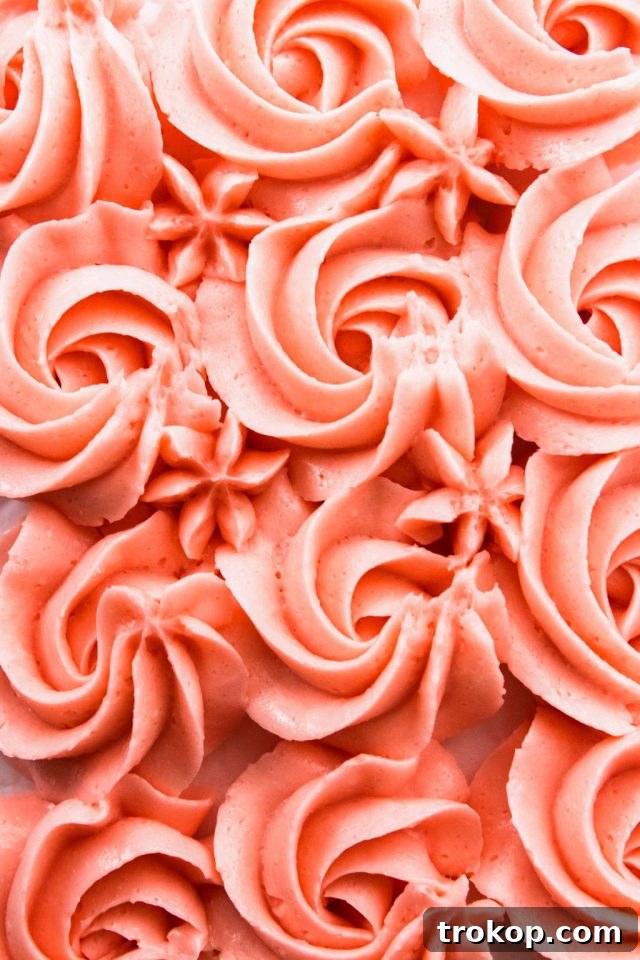
Adding color to your Italian Meringue Buttercream is simple and effective:
- Natural Shade: Italian Buttercream typically has a slightly off-white or ivory shade due to the natural yellow hue of butter. If you desire a pure white, you can add a tiny drop of violet gel food coloring (a common trick to counteract yellow tones) or use a “white” food coloring, although it won’t be stark white.
- Using Gel Colors: For vibrant colors, gel food colorings are highly recommended. They are concentrated and won’t add excess liquid, which can destabilize the buttercream. Liquid food colorings can thin the frosting.
- When to Color: If you want to color an entire batch of buttercream one uniform shade, add the gel food coloring to the mixer after all the butter has been incorporated and the frosting is smooth and fluffy. Beat until the color is evenly distributed.
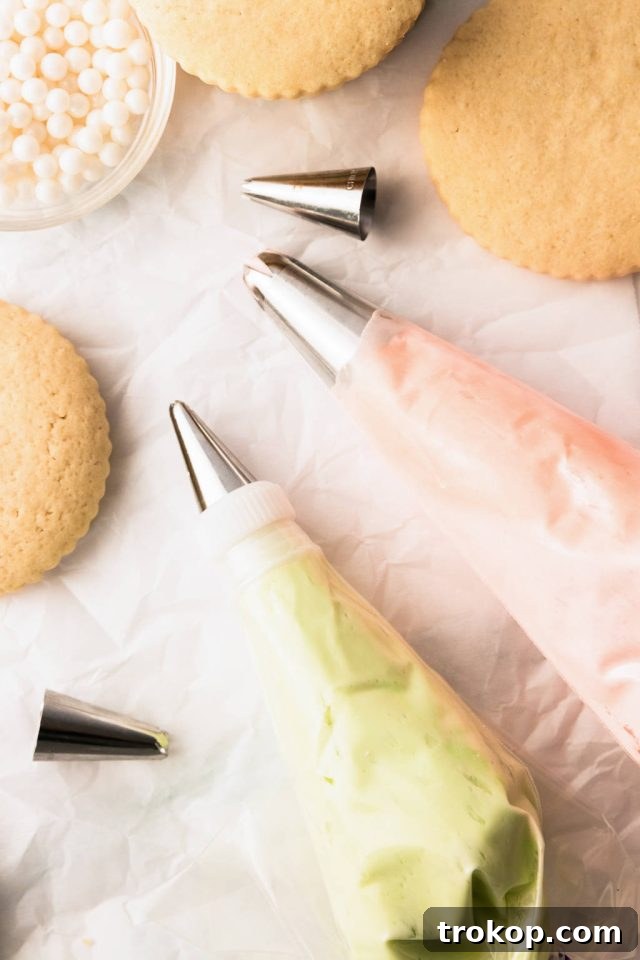
- Multiple Colors: If you require multiple colors for various piping designs, divide the finished buttercream into separate bowls. Then, color each portion individually with your chosen gel colors.
- Color Intensity: Remember that gel colors tend to deepen and intensify as they sit over time. It’s often best to make your frosting a shade lighter than your desired final color, as you can always add more dye, but you cannot take it out once added.
Recipes to Pair With Your Decadent Frosting
Now that you’ve mastered the art of making your own exquisite Italian Meringue Buttercream frosting, it’s time to put it to good use! This versatile and stable frosting is the perfect companion for a wide array of delicious desserts. Its balanced sweetness and smooth texture will elevate any baked good. Here are some of our favorite recipes that would pair beautifully with your freshly made IMBC:
- Lemon Cupcakes: The bright tang of lemon perfectly complements the rich, subtle sweetness of IMBC.
- Funfetti Cookie Cake: A festive cookie cake topped with vibrant, celebratory buttercream is a guaranteed crowd-pleaser.
- Funfetti Birthday Cheesecake: Elevate a creamy cheesecake with a sophisticated layer of IMBC.
- Raspberry Layer Cake: The delicate fruitiness of raspberry will sing when paired with this silky frosting.

Italian Meringue Buttercream Frosting Recipe
25
10
35
Desserts
Icing
Equipment
-
Small pan
-
Stand mixer with a whisk attachment
-
Rubber spatula
-
Candy thermometer
10
Ingredients
- 4 large egg whites at room temperature (120 grams)
- 1 ¼ cup white granulated sugar (250 grams)
- ½ cup water (4 oz)
- 16 oz unsalted butter soft but not melted (32 tbsp or 4 sticks)
- ¼ tsp salt
- 2 tsp vanilla extract and/or other flavors and extracts of your choice
- Gel food colors optional
Instructions
-
Measure out all of your ingredients and set out all of the equipment needed.
-
Cut the butter into 1-2 tablespoon chunks. It should be very soft but not melted.
-
Place the egg whites in the mixing bowl of the stand mixer and let them come to room temperature.
-
Whip the egg whites and slowly add in 1/4 cup of white sugar. Continue beating until they are a meringue at a soft-peak stage.
-
Place the candy thermometer on the edge of the small pan, adjusting it so that the temperature reader isn’t touching the bottom or edge of the pan.
-
Combine the sugar and water in it and cook over medium-high heat, occasionally stirring to help the sugar dissolve.
-
Cook the sugar syrup until it reaches 235°-240°F (113°-116°C). This is also called the softball stage.
-
While the mixer is running on medium speed, slowly drizzle the hot sugar syrup into the meringue in a steady stream, aiming for the side of the bowl.
-
Increase mixer speed and continue whipping the egg whites until they reach a stiff peak stage and the bowl is cool to the touch.
-
While the mixer runs (switch to paddle attachment if available), add the vanilla extract and then the butter one piece at a time. Allow it to beat for a few seconds between adding each piece. The buttercream will look soupy and “broken” right after some of the butter has been added. However, if you keep beating it on medium-high speed while adding the rest of the butter (and for several minutes after), it will come together and become a light and fluffy frosting. Scrape down the bowl as needed.
Nutrition
Calories:
431
kcal
|
Carbohydrates:
25
g
|
Protein:
2
g
|
Fat:
37
g
|
Saturated Fat:
23
g
|
Polyunsaturated Fat:
1
g
|
Monounsaturated Fat:
10
g
|
Trans Fat:
1
g
|
Cholesterol:
98
mg
|
Sodium:
85
mg
|
Potassium:
34
mg
|
Sugar:
25
g
|
Vitamin A:
1134
IU
|
Calcium:
12
mg
|
Iron:
1
mg
431
kcal
Notes
- Clean your mixing bowl very well before making meringue in it. Any fat on it can cause your meringue to break down.
- Make sure your egg whites are at room temperature. This will help them whip up more quickly than cold egg whites.
- If you want your frosting to be a bit sweeter, you can add an extra 1⁄4 cup of sugar to the sugar syrup.
- When pouring the sugar syrup into the bowl, avoid splatters as much as you can by not pouring it directly onto the whisk.
- If you want to add any extra flavors to the frosting, add them at the very end after the butter is all incorporated.
- If your buttercream is having a hard time getting fluffy after adding all of the butter, put it in the refrigerator for a few minutes, then whip it again.
- Italian meringue buttercream will lose its consistency pretty quickly. To revive it, just beat it for a few minutes in the mixer until smooth.
italian meringue buttercream frosting recipe

We hope you enjoy making and decorating with this incredible Italian Meringue Buttercream frosting! Don’t forget to share your beautiful creations with us on Instagram using the hashtag #sugarandclothloves. We always love seeing what you bake up!
Looking for more quick, delicious, and inspiring recipes to pair with your new favorite frosting? You can find a treasure trove of culinary delights right here, including many more delightful desserts.
More Easy Desserts To Try
Mango Coconut Pudding Recipe
A light and refreshing tropical treat.
The Classic Vanilla Bean Cupcake Recipe
Perfectly moist and fragrant vanilla cupcakes.
No Churn Ice Cream: 3 Ingredient Ice Cream Recipes
Delicious homemade ice cream with minimal effort.
Best Chocolate Chip Cookies Recipe
A timeless classic that always satisfies.
Vanilla Bean Tapioca Pudding Recipe
A creamy, comforting dessert with delicate vanilla flavor.
Two Ingredient Chocolate Croissant Recipe
Quick and easy croissants for a delightful treat.